Credit Scores vs Credit Reports: Understanding the Difference in Australia

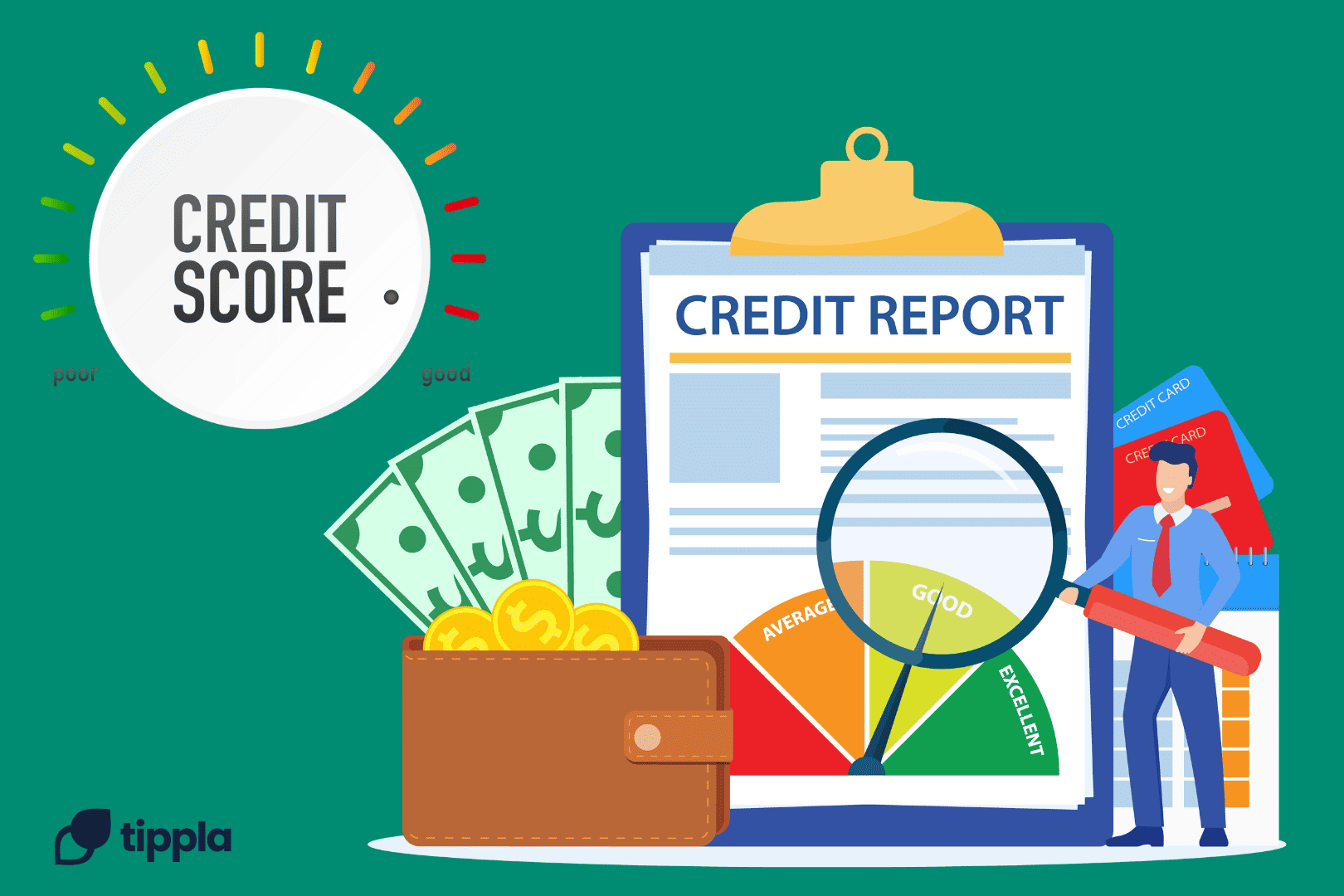
Understanding the nuances of credit scores and credit reports is essential, especially when it comes to managing your financial health. These two terms often get thrown around interchangeably, but they serve distinct purposes in evaluating your financial history and reliability.

In this article, we’ll demystify the key differences between credit scores and credit reports, equipping you with the knowledge to navigate your financial landscape more effectively.

What Is a Credit Score?

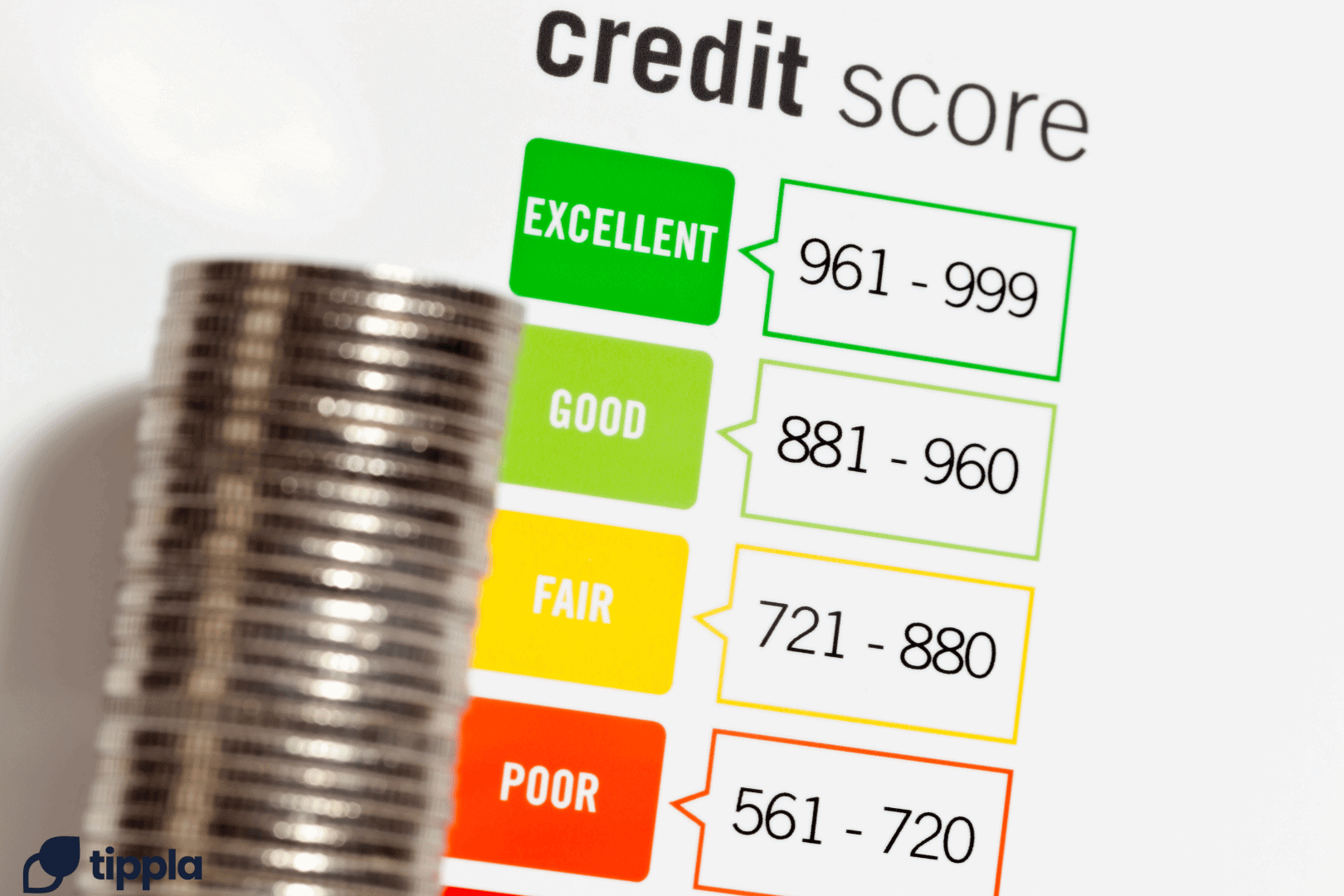
A credit score is a numerical representation of an individual’s creditworthiness. It condenses your entire credit history and financial behaviour into a single three-digit number, typically ranging from 0 to 1,000 or 1,200, depending on the credit reporting agency.

You can know more about the your different credit scores in the articles below:

How Credit Scores Are Calculated in Australia

The calculation of credit scores involves a complex algorithm that takes into account various factors from your credit report. While the specific formula may vary slightly between credit reporting agencies, some common elements include:

  • Repayment History: Your track record of making payments on time is a significant factor. Consistently meeting your financial obligations positively impacts your credit score.
  • Credit Utilisation: The ratio of your credit card balances to your credit limits can influence your score. Lower credit card balances relative to your limits are generally seen as favourable.
  • Credit Mix: Having a diverse mix of credit types, such as credit cards, loans, and mortgages, can have a positive impact on your credit score.
  • Credit History Length: The length of your credit history matters. Longer credit histories often result in higher scores.
  • Recent Credit Applications: Frequent credit applications can be seen as a sign of financial stress and may have a negative impact.
  • Negative Listings: Defaults, court judgments, and other negative entries in your credit report can significantly lower your credit score.

Now that we’ve explained credit scores, let’s move on to credit reports!

What Is a Credit Report?

Essentially, your credit report acts as a financial profile that outlines your past and current credit-related activities. This includes details about your credit accounts, payment history, defaults, court judgments, and public records. Lenders use this information to assess the risk associated with lending to you, helping them make informed decisions regarding whether to approve or deny your credit application.

How Credit Reporting Agencies Collect and Update Credit Information

Credit reporting agencies in Australia, also known as credit bureaus, are entities responsible for collecting and maintaining credit information on individuals and businesses. The three major credit reporting bodies in Australia are Equifax, Experian, and Illion. Their primary role is to gather data from various sources, including banks, credit card companies, utility providers, and even courts, and compile this information into credit reports for individuals and businesses.

These credit reports serve as comprehensive records of an individual’s or entity’s credit history and financial behaviour, providing valuable insights to lenders, credit providers, and other authorised parties.

Credit reporting agencies employ a systematic process to collect and update credit information:

  • Data Collection: These agencies gather data from a wide range of sources, including financial institutions, credit providers, telecommunications companies, and public records. This data includes information about credit accounts, payment history, defaults, court judgments, and other relevant financial transactions.
  • Data Consolidation: Once collected, the agencies consolidate this data into comprehensive credit reports. They organise the information in a structured format, making it easier for lenders and other parties to assess an individual’s creditworthiness.
  • Regular Updates: Credit reporting agencies update credit reports regularly to ensure that the information remains accurate and up-to-date. This includes incorporating new data, such as recent credit inquiries and payment history, and removing obsolete information as it becomes irrelevant.
  • Security Measures: Credit reporting agencies adhere to strict security protocols to protect the confidentiality and integrity of the data they manage. This is crucial to prevent data breaches and unauthorised access.

The Types of Information Included in a Credit Report

  • Personal Information: Your credit report begins with personal details like your name, address, date of birth, and driver’s license number. Accuracy in this section is crucial to avoid any mix-ups with other individuals who share similar information.
  • Credit Enquiries: This section lists inquiries made by lenders when you apply for credit. Multiple recent inquiries may raise concerns for potential lenders, as it could indicate financial stress or a high level of credit-seeking activity.
  • Credit Accounts: Your credit report provides a detailed breakdown of your credit accounts, including credit cards, loans, mortgages, and utility accounts. It notes the type of credit, credit limit, and outstanding balance for each account.
  • Repayment History: Your payment history is a crucial factor in your credit report. It shows whether you’ve made repayments on time or if you’ve had late payments or defaults.
  • Defaults and Court Judgments: If you’ve defaulted on a loan or have court judgments against you for unpaid debts, these negative entries will be recorded on your credit report and can impact your creditworthiness.
  • Public Records: Information about bankruptcy, insolvency, and other legal actions related to your finances may appear in this section.

The Process of Recording Positive and Negative Information in a Credit Report

Positive Information

Positive information on a credit report includes details about responsible financial behaviour. This can encompass:

  • On-Time Payments: Timely payments of credit cards, loans, and bills are recorded as positive information, showcasing a borrower’s reliability in meeting financial obligations.
  • Loans Repaid in Full: Successfully repaid loans, such as personal loans or mortgages, are noted positively, reflecting a borrower’s ability to manage and clear debt.
  • Stable Credit History: Maintaining a stable and lengthy credit history without negative events can contribute to a positive credit report.
  • Credit Diversity: A diverse mix of credit types, such as credit cards, car loans, and mortgages, can demonstrate responsible credit management.

Negative Information

Negative information, on the other hand, highlights financial missteps or challenges. This may include:

  • Late Payments: Any late payments on credit accounts, bills, or loans are recorded as negative information.
  • Defaults: Instances where a borrower fails to repay a debt as agreed, leading to a default, are noted on the credit report.
  • Court Judgments: Court judgments against an individual due to unpaid debts or legal disputes may appear as negative information.
  • Bankruptcies: If a person declares bankruptcy, it will be recorded as a significant negative event on their credit report.
  • Credit Inquiries: Multiple credit inquiries in a short time can be seen as negative, as it may indicate a borrower is seeking credit frequently.

It’s important to note that negative information can remain on your credit report for several years, depending on the type of entry. For example, a default and a bankruptcy may be listed for five years.

How Can You Access Your Credit Report1

In addition to accessing your credit report directly through the major credit reporting agencies, you can also access your credit report through credit monitoring services like Tippla.

DID YOU KNOW 💡With Tippla, you can see your scores from the two different reporting bureaus all in one place. Tippla’s technology regularly refreshes your report so you can stay on top of it. The best part? It’s totally free! Plus we also offer other features such as our spend tracker, customised loan offers, and credit school.

To access your credit report through Tippla, simply create an account and provide your personal information. Tippla will then retrieve your credit reports from the three major credit reporting agencies and provide them to you in a single, easy-to-read format.

Strategies for Monitoring Your Credit Report Regularly

Regularly monitoring your credit report is a proactive step in managing your financial health in Australia. Here are some strategies to help you do that:

  • Set Reminders: Schedule regular reminders to check your credit report. This could be annually, semi-annually, or quarterly, depending on your preference.
  • Use Credit Monitoring Services: Consider using credit monitoring services like that provide ongoing access to your credit report and alert you to any significant changes or inquiries.
  • Review Your Report Thoroughly: When you access your report, review it carefully for accuracy. Ensure that all the information is correct and that there are no unauthorised or unfamiliar entries.
  • Track Changes: Keep track of changes in your credit report over time. Positive changes, such as timely payments, can improve your credit score, while negative changes should be addressed promptly.

How Can You Maintain a Healthy Credit Profile?

Here are some tips for responsible credit management:

  • Pay Bills on Time: Consistently make on-time payments for all your credit accounts, including credit cards, loans, and mortgages. Late payments can harm your credit score.
  • Manage Credit Utilisation: Keep your credit card balances low relative to your credit limits. High credit card balances can negatively affect your credit score.
  • Diversify Credit Types: Consider having a mix of credit types, such as credit cards, instalment loans, and mortgages. This diversity can positively influence your credit score.
  • Limit Credit Applications: Avoid applying for multiple credit accounts within a short period, as it can lead to multiple inquiries, which may lower your credit score.
  • Regularly Check Your Credit Report: Monitor your credit report for accuracy and address any errors promptly. You can obtain a free copy of your credit report once a year from each of the major credit reporting agencies.
  • Budget and Plan: Create a budget to manage your finances effectively. Having a financial plan can help you meet your financial obligations and avoid overspending.

Conclusion

Maintaining a healthy credit profile is a vital aspect of managing your financial well-being in Australia. Responsible credit management, including making on-time payments, managing credit utilisation, and diversifying credit types, is essential for preserving a positive credit report and score. Addressing negative information through careful review and dispute resolution can help rectify inaccuracies and improve your creditworthiness. Regularly monitoring your credit report, whether through free annual checks or credit monitoring services like Tippla, empowers you to stay vigilant against errors, detect fraudulent activities, and make informed financial decisions.

By following these practices, you can take control of your financial future and ensure that your credit profile accurately reflects your responsible financial behaviour.

Debunking Common Misconceptions About Credit Scores in Australia

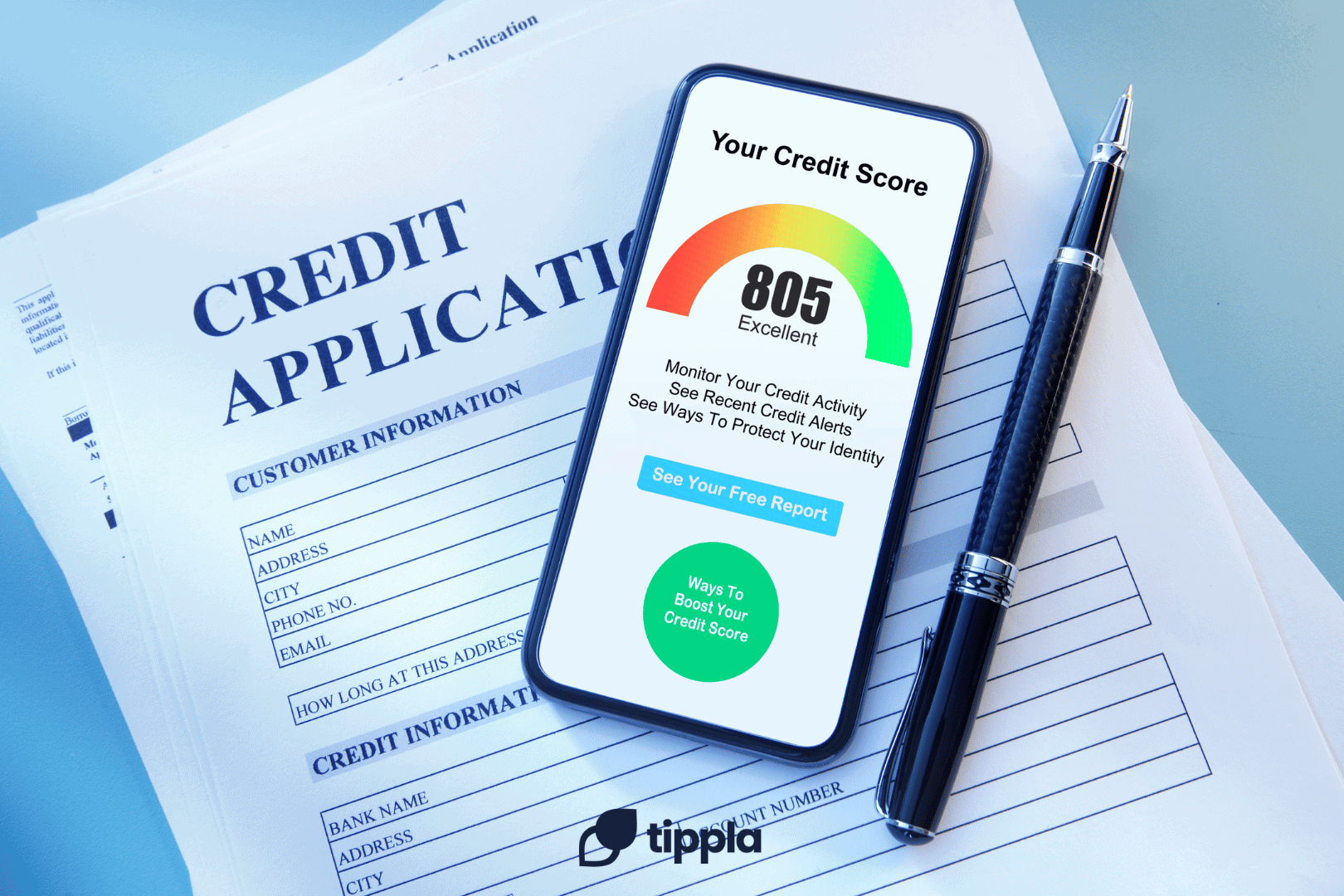
In personal finance, your credit score is really important. Your credit score is a three-digit number that holds the power to influence your eligibility for loans, credit cards, and even renting a home. However, navigating the concept of credit scores can often feel like a daunting task, with common misconceptions adding to the confusion. In this article, our goal is to clear the air surrounding these credit score myths, providing you with accurate information to empower your financial decisions.

What Is a Credit Score?

A credit score is essentially a numerical representation of your creditworthiness. It’s a three-digit number that tells lenders, banks, and other financial institutions how likely you are to repay borrowed money on time.

If you’re new to the world of credit scores and want to dive deeper on specific details surrounding it, you can check these related articles below:

Otherwise, let’s start discussing about the things you should not believe about credit scores. Let’s go!

Common Misconceptions About Credit Scores

Credit Score Misconception #1: Checking Your Credit Lowers Your Score

One of the most common misconceptions about credit scores is the belief that checking your credit score can have a detrimental effect, causing your score to drop. However, this notion is entirely untrue, and the reality is quite the opposite.

When you check your credit report, it’s considered a soft inquiry, which means that it has no negative impact on your credit score whatsoever. Regularly monitoring your credit report is not only a responsible financial practice but also a proactive step that can help you maintain a healthy credit profile.

Credit Score Misconception #2: Closing Credit Card Accounts Boosts Your Score

It’s a common belief that closing old or unused credit card accounts can have a positive impact on your credit score, but this is a misconception that can lead to unintended consequences.

Closing a credit card account may lower your credit score rather than boost it. This happens for a couple of key reasons. First, closing an account reduces the total amount of credit available to you, which can increase your credit utilisation ratio—the amount of credit you’re using compared to your total credit limit. A higher utilisation ratio can negatively impact your credit score. Second, closing an old account can shorten the average age of your credit history, which is another factor that contributes to your credit score. Lenders typically prefer to see a longer credit history as it demonstrates your ability to manage credit over time.

So, rather than closing old accounts, consider keeping them open and using them responsibly to maintain a positive credit history and potentially improve your credit score in the long run.

Credit Score Misconception #3: Income Affects Your Credit Score

Another widespread misconception is that your income level directly influences your credit score. Your income is not a factor considered when calculating your credit score.

Credit reporting bodies do not include income data in your credit report or use it to determine your creditworthiness. Instead, your credit score is primarily based on your credit-related activities, such as how you manage credit accounts, pay bills, and handle debts. While your income itself doesn’t directly impact your credit score, it can indirectly affect your ability to manage credit responsibly. A higher income may provide you with the means to pay your bills on time and maintain a good credit history, but it’s not a direct factor in the credit scoring process.

Credit Score Misconception #4: You Have Only One Credit Score

One of the common misconceptions about credit scores is the belief that you have only one credit score.

You have multiple credit scores, and the number can vary depending on which credit reporting agency is used by a lender. The three major credit reporting bodies in Australia—Illion, Experian, and Equifax—each maintain their own credit scoring models and algorithms. These agencies collect and evaluate your credit data independently, which can result in different credit scores for the same individual. Lenders may use any one of these credit reporting bodies when assessing your creditworthiness, making it crucial to regularly check your credit reports from all three agencies to ensure accuracy and to understand how different lenders might perceive your creditworthiness based on the credit score they access.

Credit Score Misconception #5: Credit Scores Are Permanent

A common misconception is that once you have a credit score, it remains fixed and unchangeable. In reality, credit scores are not permanent, and they can change over time.

Your credit score is dynamic and can fluctuate based on your financial behaviour and history. Positive actions, such as consistently paying bills on time, reducing credit card balances, and responsibly managing credit accounts, can lead to score improvements. Conversely, negative actions, like late payments, defaults, or collection accounts, can lower your score. It’s important to recognise that credit scores are influenced by your recent credit activities and history. Over time, older negative events may have less impact, especially if you’ve demonstrated responsible financial behaviour.

By adopting good credit management practices and maintaining a positive financial trajectory, you can work towards improving your credit score and ensuring it doesn’t remain a static number.

Credit Score Misconception #6: Credit Scores Are Not Important

Another misconception is that credit scores are not important in one’s financial life.

Credit scores play a pivotal role in various aspects of personal finance. A good credit score is often necessary to secure loans, credit cards, mortgages, and even rental agreements at favourable terms. Lenders use credit scores to assess your creditworthiness, determine interest rates, and approve or decline applications. Additionally, landlords, insurance companies, and even some employers may consider your credit score when making decisions. A low credit score can limit your financial options and potentially result in higher interest rates or loan rejections. Therefore, understanding the importance of credit scores and managing them responsibly is essential for achieving financial goals and maintaining financial stability.

Credit Score Misconception #7: Paying Your Rent Boosts Your Credit Score

Paying your rent on time automatically improves your credit score is another common misconception.

Rent payments are typically not included in your credit report and do not directly impact your credit score. Unlike some countries where rent reporting is becoming more common, in Australia, your on-time rent payments are not a factor in determining your creditworthiness.

However, it’s essential to understand that while paying your rent may not directly boost your credit score, failing to pay it on time can lead to negative consequences. Late or missed rent payments can result in late fees, eviction notices, and potential damage to your rental history, which may affect your ability to secure future rental agreements.

Credit Score Misconception #8: All Debts Are Equal in the Eyes of Credit Scoring

Not all debts are treated equally when it comes to credit scoring. Some people mistakenly believe that all debts, regardless of the type or amount, have the same impact on their credit score.

In reality, different types of debt, such as credit card debt, personal loans, and mortgages, can affect your credit score differently. High credit card balances relative to your credit limit can negatively impact your score, while instalment loans, like mortgages, may have a different effect. Understanding the nuances of how various debts are evaluated can help you make more informed financial decisions.

Credit Score Misconception #9: Age Determines Your Credit Score

One misconception worth dispelling is the notion that your age directly dictates your credit score. In reality, your age is not a direct factor considered when calculating your credit score as your credit score primarily hinges on your financial history and behaviour.

However, age can indirectly affect your credit score through factors such as the length of your credit history. A longer credit history, often associated with older individuals, can positively influence your score. Additionally, more experienced financial management and greater stability that may come with age can lead to responsible credit behaviour, potentially enhancing your credit profile.

It’s crucial to understand that while age can indirectly play a role in certain aspects of credit scoring, it’s not the determining factor. Responsible financial habits and credit management are the key drivers of your creditworthiness, regardless of your age.

Credit Score Misconception #10: Your Credit Score Is the Sole Factor for Loan Approval

Another common misconception is the belief that your credit score is the sole determinant of loan approval. While your credit score is undeniably a crucial factor, it’s just one piece of the puzzle.

Lenders typically consider multiple factors when evaluating loan applications. These factors include your income, employment status, existing debts, and overall financial stability.

Even if you have an excellent credit score, other aspects of your financial profile can influence whether a lender approves your loan application. For instance, having a stable source of income, a manageable debt-to-income ratio, and a strong financial history are equally vital. Conversely, a low credit score doesn’t necessarily mean automatic rejection if your other financial aspects align with a lender’s criteria.

Tips and Strategies to Minimise the Negative Effects of Credit Enquiries in Australia

Managing your credit is crucial for getting loans or credit cards in Australia. One important factor is how credit enquiries affect your credit score. When you apply for credit, the lender checks your credit report, and this creates a credit enquiry. Too many enquiries in a short time can lower your credit score.

In this article, we’ll share practical tips to protect your credit score and how you can reduce the negative effects of credit enquiries on your score.

Understanding Credit Enquiries

Credit enquiries, often referred to as credit checks or credit pulls, are requests made by lenders or credit providers to access your credit report and evaluate your creditworthiness. These enquiries play an important role in the credit assessment process, as they help lenders determine whether to approve your credit application.

When you apply for a loan, credit card, or any form of credit, the lender initiates a credit enquiry to gather information about your credit history. They use this data to assess your ability to manage and repay debt. Essentially, credit enquiries provide lenders with insights into your financial behaviour, including your payment history, outstanding debts such as credit card debts, and any previous credit-related issues.

There are also different types of credit enquiries: soft and hard enquiries. Soft enquiries, also known as “soft pulls,” occur when individuals or organisations request access to your credit report for informational or promotional purposes. These enquiries may stay in your credit report for up to five years but they don’t impact your credit score and are typically generated when you check your credit report or when a potential employer performs a background check.

On the other hand, hard enquiries, often referred to as “hard pulls,” are triggered when you apply for credit with a lender or financial institution. These enquiries are more significant and can affect your credit score, as they indicate that you are actively seeking new credit. Lenders use hard enquiries to assess the risk associated with extending credit to you, and too many hard enquiries within a short period can potentially lower your credit score. Hard enquiries typically stay on your credit report for about five years.

Common Types of Credit Enquiries

Mortgage Applications

When applying for a mortgage, lenders assess your creditworthiness by conducting a hard credit enquiry. They review your credit history, including your payment history, outstanding debts, and credit utilisation. A strong credit history can lead to more favourable mortgage terms, such as lower interest rates.

Credit Card Applications

Credit card applications also involve hard credit enquiries. Lenders evaluate your credit file to determine if you’re a responsible borrower. A positive credit history can result in approval for credit cards with higher credit limits and better rewards.

Personal Loan Applications

When applying for a personal loan, lenders typically initiate a hard credit enquiry. They use this enquiry to gauge your creditworthiness and assess your ability to repay the loan. A good credit score can help secure a personal loan with a lower interest rate.

Car Loan Applications

Auto loan applications involve hard credit enquiries as well. Lenders use these enquiries to assess the risk associated with lending for a vehicle purchase. A strong credit history can lead to more favourable auto loan terms and lower monthly payments.

Utility and Service Provider Checks

Utility companies and service providers may perform soft credit checks when establishing services like electricity, gas, internet, and mobile phone plans. These checks are typically used to verify your identity and may not directly impact your credit score. However, late payment or unpaid debt can eventually be reported to credit bureaus and affect your credit so it’s important that you pay your bills on time.

Rate Shopping for Loans

Rate shopping is a crucial process for consumers when seeking loans or credit. It involves comparing interest rates and terms offered by various lenders before committing to a specific loan. This process allows borrowers to make informed decisions and secure the most favourable loan terms.

By exploring multiple lending options, consumers can potentially save money over the loan’s life, reduce monthly payments, or find a lender that aligns with their financial goals. Credit scoring models in Australia recognise the importance of rate shopping and have measures in place to mitigate its impact on credit scores.

To engage in smart rate shopping while minimising the impact on your credit score, consider the following strategies:

  1. Conduct thorough research and identify potential lenders.
  2. Approach these lenders within a short period, such as a two-week window, to ensure credit enquiries are treated as a single enquiry.
  3. Request pre-approval or prequalification, often involving a soft enquiry, when speaking with lenders.
  4. Review and compare loan terms, including interest rates, fees, and repayment options, to make an informed decision.

The Timing of Credit Enquiries

The timing of credit enquiries can have a significant influence on your credit score. When you apply for credit, each hard enquiry typically results in a temporary dip in your credit score. The effect may vary depending on the credit scoring model used, but in general, multiple enquiries within a short time frame can raise concerns with lenders. This is because it might indicate financial instability or a high degree of risk. Therefore, it’s crucial to be mindful of the timing when applying for credit. Spacing out credit enquiries strategically can help you mitigate any potential negative effects on your credit score.

To minimise the negative impact of credit enquiries, consider adopting a strategy of spacing out credit applications. Instead of applying for multiple forms of credit within a short period, such as a few weeks or months, spread them out over time.

For example, if you plan to apply for a credit card, wait a few months before applying for a personal loan or a mortgage. This approach allows credit enquiries to have less of an impact on your credit score, as they won’t accumulate in a short period. Additionally, before applying for credit, thoroughly assess your financial readiness and creditworthiness to ensure that you’re likely to be approved, reducing the need for multiple applications.

Monitoring Your Credit and Maintaining Your Credit Score

Monitoring your credit report is a crucial financial practice, allowing you to monitor your financial health and detect potential issues that could negatively impact your creditworthiness.

Checking your credit report is considered a soft enquiry, which does not impact your credit score. This makes it a safe and responsible practice to regularly check your credit report to ensure accuracy and stay informed about your financial history. In Australia, consumers have the right to access a free annual credit report from major credit reporting agencies, Equifax, Experian, and Illion. This allows them to stay informed about their credit history without incurring any costs.

To access the reports, consumers can request them directly from these agencies online, stagging their requests to receive one report every four months.

Helpful Tip 💡❗But did you know that there is also a way for you to monitor your credit scores as often as you want? With Tippla, you can see your scores from the two different reporting bureaus all in one place. Tippla’s technology regularly refreshes your report so you can stay on top of it. The best part? It’s totally free! Plus we also offer other features such as our spend tracker, customised loan offers, and credit school. Sign up with Tippla today!

Disputing Unauthorised or Inaccurate Enquiries

Identifying unauthorised or inaccurate enquiries on your credit report is a critical step in maintaining your financial integrity in Australia. Pay close attention to the list of credit enquiries, checking for any that you don’t recognise or that seem suspicious. Unauthorised enquiries may indicate potential identity theft or fraudulent activity. Additionally, scrutinise the enquiries for accuracy, ensuring that the date, name of the lender, and the type of credit requested align with your actual financial history. Any inconsistencies or unfamiliar enquiries should raise a red flag and prompt further investigation.

If you identify unauthorised or inaccurate enquiries on your credit report, taking prompt action is crucial. Start by contacting the credit reporting agency that issued the report where the inaccuracies appear. The three credit report bodies all have dedicated channels for dispute resolution. You can typically initiate the dispute process online or by mail, providing detailed information about the inaccuracies and attaching any supporting documents, such as correspondence with the lender in question.

The credit reporting body will investigate your dispute, typically within 30 days, and notify you of the outcome. If the enquiry is found to be unauthorised or inaccurate, the agency will remove it from your credit report. Be sure to follow up to ensure the correction has been made.

Seeking assistance from credit reporting agencies and regulatory bodies is an option if you encounter difficulties in resolving disputes. If the credit reporting body fails to address your concerns satisfactorily, you can escalate the matter to the Office of the Australian Information Commissioner (OAIC). The OAIC is responsible for overseeing credit reporting in Australia and can intervene to ensure disputes are resolved fairly. Additionally, if you suspect identity theft or fraud, it’s advisable to report the issue to the Australian Federal Police (AFP) or your local law enforcement agency. Their involvement may be necessary to investigate and prosecute any criminal activity related to unauthorised credit enquiries.

Limiting Unsolicited Credit Offers

Limiting unsolicited credit card offers and marketing enquiries can be achieved through several effective strategies.

First, consider registering for the Australian government’s “Do Not Call” Register. This registry allows you to opt out of receiving telemarketing calls and messages from businesses promoting their products or services. It’s a practical way to reduce unwanted marketing calls, including those related to credit card offers. Additionally, you can contact individual financial institutions and ask them to remove your name from their marketing lists. This proactive approach can significantly reduce the number of credit card offers you receive in the mail.

The “Do Not Call” Register plays a crucial role in limiting unwanted marketing enquiries, including those related to credit cards, by enabling you to opt out of telemarketing communications. By registering your phone number on this list, you can significantly reduce unsolicited calls from businesses attempting to promote their credit card products. Additionally, consider the “Do Not Mail” lists offered by some marketing organisations. These lists allow you to opt out of receiving unsolicited direct mail marketing materials, including credit card offers and promotional materials. By proactively managing your preferences on these lists, you can gain more control over the marketing communications you receive.

To further limit unsolicited credit offers, you can opt out of pre-approved credit offers in Australia. The Privacy Act 1988 provides consumers with the option to request that credit reporting agencies exclude their credit reporting information from pre-screening lists used by credit providers. This means that credit providers won’t be able to access your credit information to send pre-approved credit offers without your consent.

To opt-out, you can contact credit reporting agencies directly and request this exclusion. This step allows you to have more control over the credit offers you receive and can help reduce the volume of unsolicited credit offers in your mailbox.

Conclusion

Managing one’s credit effectively involves a multifaceted approach that encompasses understanding the intricacies of credit enquiries, monitoring credit reports, and exercising legal rights and protections. Consumers need to be aware of the impact of credit enquiries on their credit scores and employ smart strategies to mitigate negative effects.

Regularly monitoring credit reports and credit files and promptly addressing inaccuracies or unauthorised enquiries ensures the maintenance of a healthy financial profile. Moreover, knowing and asserting one’s rights under Australian credit reporting laws, including seeking assistance from regulatory bodies and ombudsman services when necessary, empowers consumers to safeguard their privacy and financial well-being.

By navigating the credit landscape with knowledge and diligence, individuals can make informed financial decisions and protect their creditworthiness in an ever-changing financial environment.

How Credit Scores and Credit Limits Are Determined in Australia

Your credit score and credit limit are the keys that can unlock or limit your access to various opportunities. Whether you’re dreaming of a new car, or a home, or simply managing your everyday expenses, understanding how these critical elements are determined is essential.

How Credit Scores are Used by Lenders and Financial Institutions

A credit score is a three-digit numerical representation of an individual’s creditworthiness. It serves as a concise summary of an individual’s credit and repayment history and their ability to manage debt responsibly. In Australia, credit scores typically range from 0 to 1,200, with higher scores indicating better creditworthiness.

Lenders and financial institutions use credit scores as a crucial tool when evaluating loan applications and determining the terms of credit they can offer. Here’s how credit scores are used by these institutions:

  • Loan Approval: Lenders use credit scores to assess the risk associated with lending to a particular individual. Applicants with higher credit scores are generally viewed as less risky and are more likely to be approved for personal loans, credit cards, or mortgages.
  • Interest Rates: Credit scores also influence the interest rates offered to borrowers. Individuals with excellent credit scores often qualify for loans with lower interest rates, saving them money over the life of the loan. Conversely, those with lower scores may be offered loans with higher interest rates.
  • Credit Limits: For credit cards, credit scores play a role in determining the credit limit that a lender is willing to extend to an applicant. Higher credit scores can result in more substantial credit limits, providing borrowers with greater financial flexibility.
  • Terms and Conditions: Beyond interest rates and credit limits, credit scores can also affect other terms and conditions of credit, such as the length of the loan, the required down payment, or the need for a co-signer.
  • Approval Speed: A strong credit score can expedite the approval process. Lenders may have automated systems that approve applicants with high scores more quickly, providing borrowers with faster access to credit.
  • Risk Assessment: Credit scores help lenders assess the risk of potential defaults or late payments. This information is critical for making informed lending decisions.

Learn more about your credit scores from different credit bureaus from the resources below:

Factors That Influence Credit Scores

Your credit score dances to the tune of several factors, each playing its unique role in shaping your financial profile. Let’s dive into the factors that have a significant impact on your credit score.

  • Payment History: Your financial reputation depends on whether you’ve been making on-time payments or if you’ve missed a few beats. Payment history is a critical factor in calculating your credit score. Consistently paying your bills and debts on time can give your credit score a significant boost, making lenders more confident in your ability to manage credit responsibly.
  • Credit Utilisation: Credit utilisation is all about the delicate balance between how much credit you’re using and how much you have available. If you’re maxing out your credit cards or using a high percentage of your available credit, it can put a dent in your credit score. Keep your credit utilisation low, ideally below 30%.
  • Length of Credit History: Your credit score and the age of your credit accounts matters. The older, the better. Lenders in Australia like to see a well-established credit history as it provides a more comprehensive picture of your financial behaviour. If you’re new to the credit game, don’t worry; time will gradually work in your favour.
  • Types of Credit: The diversity of your credit portfolio is another keynote in your credit score’s melody. Having a mix of credit accounts, such as credit cards, loans, and mortgages, can demonstrate your ability to manage various types of debt responsibly. It showcases your financial versatility, and lenders may view this positively.
  • Recent Credit Inquiries: Lastly, your credit score can be affected by recent credit inquiries. Each time you apply for new credit, a note is made in your credit report. Too many inquiries in a short span can raise concerns for lenders, as it might suggest you’re seeking too much credit too quickly. So, it’s wise to space out your credit applications and be selective about when and where you apply.

Understanding these factors that sway your credit score is crucial, as they can dictate your financial opportunities and the terms you’re offered by lenders. Managing your finances responsibly and being mindful of these credit score influencers can help you dance your way to a healthier financial future.

How to Obtain a Free Copy of Your Credit Report in Australia

Monitoring your credit report annually is an excellent way to spot inaccuracies and ensure the information is up to date.

Accessing your credit report is relatively easy, and you’re entitled to one free report per year from each of the three major credit reporting bodies: Equifax, Experian, and Illion. To obtain your free report, you can visit their respective websites and request a copy online.

Helpful Tip 💡Did you know that you can also access your credit score for free? Here at Tippla, we do our best to provide our users with up-to-date financial technology that they can rely on. Sign up to Tippla today and access our credit score monitoring features, spend trackers, credit school, and more! 

The Impact of Credit Scores on Credit Limits

In the realm of Australian finance, your credit score can either unlock generous credit limits or leave you with a restricted purse. Let’s delve into the profound impact credit scores have on the credit limits you’re offered and the strategies you can employ to reach those higher limits.

Your credit score is like a guide for lenders in Australia. It helps them decide how much credit they can comfortably offer you. If you have a high credit score, it’s like having a ticket to more significant credit limits. Lenders trust people with excellent scores more and are willing to give them larger credit amounts. On the flip side, if your score is lower, you might get a smaller credit limit or even a rejection. So, taking care of your credit score is vital if you want access to higher credit limits.

Credit Limits and How You Use Them

In Australia, how you use your credit limits matters. Lenders pay attention to what’s called “credit utilisation,” which is how much of your available credit you’re using. It’s good to keep this below 30%. When it’s low, it not only keeps your credit score healthy but also makes it more likely that you’ll be offered higher credit limits. Lenders see this as a sign that you’re responsible with your borrowing and don’t rely too much on credit.

Requesting Credit Limit Increases

When it comes to managing your credit wisely, requesting a credit limit increase can be a strategic move.

If you want more spending power on your credit card, you can request a credit limit increase. It’s not too complicated. You can usually do it online through your bank’s website or by calling your credit card company. They might want to know some details about your money, like how much you earn and spend. It’s really important to be honest when you apply. After you ask, the company will check your financial situation and how you’ve used credit before. If they say yes, they’ll let you know your new spending limit, usually in writing or online.

Using More Credit Wisely

  • Stick to a Budget: Before making any purchase, have a clear budget in mind. Only use your credit card for expenses you can comfortably pay off when the bill arrives.
  • Timely Payments: Pay your credit card bills on time and in full each month. Late payments not only incur fees but can also harm your credit score.
  • Set Alerts: Most credit card providers in Australia offer alert services. Set up notifications for due dates and transaction limits to stay in control of your spending.
  • Minimise Balance Carries: Avoid carrying a balance on your credit card whenever possible. The interest rates on credit cards can be high, and this can lead to unnecessary debt.

Conclusion

Responsible credit management in Australia is more than just a financial practice; it’s a cornerstone of sound financial health. Understanding the factors that influence credit scores, accessing credit reports regularly, and employing strategies for prudent credit card usage are essential steps toward financial stability.

By maintaining a good credit score, managing credit limits wisely, and avoiding the pitfalls of excessive debt, individuals can harness the power of credit to achieve their financial goals while safeguarding their financial future.

Credit Scores and Credit Scams: Protecting Yourself from Fraudulent Practices

Credit scores play a pivotal role in financial stability and access to various services in Australia. They reflect an individual’s creditworthiness and are used by lenders, landlords, and even employers to make important decisions. However, with the digital age comes an increased risk of credit scams and fraudulent practices that can harm your financial well-being.

Credit scams can take various forms. These may include identity theft, phishing scams, and deceptive lending practices. Scammers are becoming increasingly sophisticated, making it crucial for individuals to be informed and proactive in safeguarding their credit information.

Credit Scores and Their Significance in Financial Transactions

A credit score is a numerical representation of an individual’s creditworthiness, typically ranging from 0 to 1200, depending on the credit reporting agency. It’s calculated using various financial data, including credit history and repayment behaviour.

  • Lending: Lenders rely on credit scores to assess credit risk when you apply for loans. Your score influences loan terms, including interest rates and loan amounts.
  • Credit Cards: Credit card providers consider credit scores when approving applications and setting credit limits and interest rates.
  • Housing: Landlords and property managers may check credit scores to gauge the financial reliability of rental applicants. A good score expands your housing options.
  • Insurance: Some insurance companies use credit scores to calculate insurance premiums. A higher score can lead to more competitive premiums and potential savings.
  • Employment: While not as common, certain employers may review credit reports for roles involving financial responsibilities.
  • Utilities: Utility providers may use credit scores to make decisions about requiring security deposits for services like electricity and internet.

The Common Types of Credit Scams

In 2022, credit card fraud topped the list of scams in Australia, accounting for the largest chunk of financial losses, totalling a staggering $1.2 billion, as reported by the Australian Payments Network (AusPayNet). Trailing behind were investment fraud at $800 million, identity theft at $600 million, and various other scams at $500 million.

Types of Credit Scams

Here are some of the most common types of credit scams:

  • Identity Theft

Identity theft is a widespread credit scam where criminals steal your personal information, such as your Tax Identification Number or driver’s license, to open new credit accounts. They may use your identity to take out loans or credit cards in your name, leaving you responsible for the debt.

  • Phishing Scams

Phishing scams involve scammers posing as legitimate organisations, like banks or government agencies, and sending fraudulent emails, text messages, or phone calls to trick you into revealing sensitive information, such as your credit card numbers or login credentials. In Australia, phishing attempts often target individuals by impersonating banks like the Commonwealth Bank or the Australian Taxation Office (ATO).

  • Credit Repair Scams

Scammers promise to repair your credit by removing negative information from your credit report, even if that information is accurate. They typically charge high fees for their services and often provide no tangible results. It’s essential to be cautious when dealing with credit repair companies and to verify their legitimacy.

  • Advance Fee Fraud

In this type of scam, fraudsters promise to provide you with a loan, credit card, or debt consolidation service but require you to pay an upfront fee before delivering on their promises. Once you pay the fee, they disappear, leaving you without the promised financial assistance.

  • Debt Collection Scams

Scammers pose as debt collectors and contact you, claiming that you owe money on a debt. They may use threats, intimidation, and harassment to pressure you into making immediate payments. It’s crucial to verify the legitimacy of any debt collection agency contacting you and to know your rights under Australian consumer protection laws.

  • Credit Card Fraud

When fraudsters get hold of your credit card information, they might use it to make unauthorised transactions or withdrawals. This may take the form of physical theft, the use of skimming technology, or internet hacking.

Carding is a type of credit card fraud where scammers use stolen credit card information to make small online purchases to test if the card is still active and has available credit. Once they confirm the card works, they may make larger unauthorised transactions.

  • Loan Scams

Fraudulent lenders may offer loans with unrealistic terms or promise guaranteed approval, even to individuals with bad credit. They often charge upfront fees and then disappear without providing the promised funds.

How to Protect Your Personal Information

  • Be careful about what information you share online and offline. Only share your personal information with businesses and organisations that you trust. Be especially cautious about sharing your personal information on social media.
  • Use strong passwords and enable two-factor authentication for all of your online accounts. A strong password is at least 12 characters long and includes a mix of upper and lowercase letters, numbers, and symbols. Two-factor authentication adds an extra layer of security to your accounts by requiring you to enter a code from your phone in addition to your password when you log in.
  • Keep your software up to date. Software updates often include security patches that can help protect your devices from malware and other cyber threats.
  • Be careful about clicking on links and opening attachments in emails and messages. Phishing scams are designed to trick you into revealing your personal information or clicking on malicious links. If you are unsure whether an email or message is legitimate, do not click on any links or open any attachments.
  • Be careful about using public Wi-Fi networks. Public Wi-Fi networks are often unsecured, which means that your data could be easily intercepted by hackers. If you need to use a public Wi-Fi network, use a VPN (virtual private network) to encrypt your data.

Reporting Credit Scams and Fraud

If you encounter a credit scam or identity theft:

Regularly Checking Your Credit Report

To maintain a healthy financial profile, it’s crucial to regularly check your credit report. You can obtain a free annual credit report from each of the three major credit reporting agencies: Equifax, Experian, and Illion. Visit their official websites and follow their user-friendly instructions to request these reports.

Helpful Tip 💡Tippla offers free credit score monitoring and more. You can explore all the features of our financial tool completely free of charge!

You’ll need to provide personal information for identity verification. Once you receive the reports, meticulously review them for discrepancies, errors, or any suspicious activities, like unfamiliar accounts or inquiries. Continuously monitoring your credit reports throughout the year is vital, even though you’re entitled to one free report annually. To avoid missing this opportunity, consider setting calendar reminders for future requests.

While reviewing your credit reports, pay close attention to personal information, including your name, address, and date of birth, ensuring they are accurate. Examine your credit accounts, such as credit cards and loans, for correct balances, payment histories, and credit limits. Be on the lookout for any unfamiliar accounts that might indicate identity theft or errors. Verify the list of inquiries made on your credit report, especially inquiries from sources you haven’t contacted.

If you discover errors or inaccuracies, take action promptly by following the credit reporting agency’s procedures for disputing these issues and providing any necessary supporting documentation. Afterwards, stay engaged by following up to ensure that the corrections are made accurately and promptly.

Credit Freezes and Fraud Alerts

Credit Freeze

A credit freeze is a security measure that you can place on your credit report to prevent anyone from accessing it without your permission. This means that lenders will not be able to see your credit report and open new accounts in your name without your consent.

To place a credit freeze, you will need to provide your personal information, such as your name, address, date of birth, and driver’s license number. Once you have placed a credit freeze, you will need to provide a PIN to any lender that you want to access your credit report. This PIN will be provided to you by the credit bureau when you place the freeze.

Credit freezes can be a very effective way to protect yourself from identity theft and credit fraud. However, they can also make it more difficult to apply for new credit. If you want to apply for new credit, you must temporarily request that your credit freeze be lifted. You can do this by contacting the credit bureau that placed the freeze.

Fraud Alert

A fraud alert in Australia is a notice placed on your credit report to warn lenders that you may be a victim of identity theft. It tells lenders to be careful before opening any new accounts in your name.

To place a fraud alert, you will need to provide your personal information, such as your name, address, date of birth, and driver’s license number. Once you have placed a fraud alert, lenders will be required to contact you before opening any new accounts in your name. This gives you a chance to verify the request and prevent any fraudulent accounts from being opened.

A fraud alert will last for 12 months. After 12 months, you can renew the fraud alert or remove it altogether.

Note: If you are concerned about identity theft or credit fraud, you may want to consider placing a credit freeze on your credit reports. A credit freeze is the most effective way to prevent new accounts from being opened in your name without your permission.

However, it is important to note that a credit freeze will make it more difficult to apply for new credit. If you are planning to apply for new credit shortly, you will need to temporarily lift your credit freeze. You can do this by contacting the credit bureaus.

Legal Protections and Resources

Several Australian laws protect consumers from credit scams. These include:

  • Australian Consumer Law (ACL): The ACL protects consumers from unfair or deceptive practices and gives them the right to a refund or repair if a product or service does not meet expectations.
  • National Credit Code (NCC): The NCC regulates the credit industry and sets standards for responsible lending. Lenders must disclose certain information to consumers before they borrow money.
  • Privacy Act 1988: The Privacy Act protects the privacy of individuals’ personal information. It applies to businesses and organisations that collect, use, or store personal information.

Seeking Legal Assistance and Support

If you become a victim of a credit scam in Australia, you have several options for seeking legal assistance and support:

  • Contact the Australian Competition and Consumer Commission (ACCC): The ACCC is a government agency that enforces the ACL. You can file a complaint against a company that has scammed you on their website. They may also be able to provide legal assistance.
  • Contact your state or territory consumer protection agency: Each state and territory has a consumer protection agency that can help you file a complaint against a company that has scammed you. They may also be able to provide legal assistance.
  • Contact a lawyer: If you have suffered significant financial losses as a result of a credit scam, you may want to consider hiring a lawyer. A lawyer can help you understand your legal rights and options, and they can represent you in court if necessary.

Resources and Agencies

There are several resources and agencies in Australia that can provide guidance and information about credit scams. These include:

  • Australian Competition and Consumer Commission (ACCC): The ACCC has a website with information about credit scams, as well as a hotline where you can report scams.
  • Your state or territory consumer protection agency: Each state and territory has a consumer protection agency with a website that provides information about credit scams and how to report them.
  • Scamwatch: Scamwatch is a website run by the ACCC that provides information about common scams and how to avoid them.
  • IDCARE: IDCARE is a non-profit organisation that provides support and advice to victims of identity theft. They have a website with information about identity theft and how to protect yourself from it.

Conclusion

Safeguarding one’s credit scores and personal information is paramount in today’s digital age. Credit scores hold substantial weight in various aspects of life, influencing decisions made by lenders, landlords, and even employers. However, the rise of credit scams and fraudulent practices necessitates a proactive approach towards protection.

By staying informed, vigilant, and leveraging legal protections, individuals can significantly reduce the likelihood of falling victim to credit fraud. It is imperative to not only be well-informed about credit scams but also to empower oneself with the knowledge and resources needed to navigate this complex landscape securely.