How Do Variable Rate Personal Loans Work?

women searching how variable rate personal loans work

Are you currently thinking about getting a personal loan? You might have realised just how many options there are for you – short-term, long-term, fixed-rate, variable-rate, the options can sometimes seem endless. To help you sort through the clutter, we’ll take you through how variable rate personal loans work and why you might consider one.

What is a personal loan?

A personal loan is a line of credit. Put simply, it’s when you borrow money under the agreement that you will repay the amount you borrowed, often with interest and fees on top.

People take out personal loans to cover something “personal”. Unlike business loans, student loans and home loans which can only be used for specific purposes, personal loans offer more flexibility.

You could use a personal loan to cover the following expenses:

  • Medical expenses;
  • Weddings;
  • Vacations;
  • Funerals;
  • Large purchases, such as a television;
  • Emergency expenses;
  • Home renovations.

The different types of personal loans

There are seemingly endless different types of personal loans. We have outlined some of the most common types below:

  • Secured personal loans – A personal loan that has been secured with collateral. 
  • Unsecured loans – Unsecured personal loans do not have an asset attached to the loan.
  • Fixed-rate personal loans – A fixed-rate personal loan is when the interest rate doesn’t change for the duration of your loan.
  • Variable-rate personal loans – A variable-rate personal loan is where the interest rate can change during the term of your loan. 
  • Overdraft loans – A personal overdraft is kind of like a line of credit, which has been linked to your transaction account. 
  • Debt consolidation loans – If you have multiple debts, and you want to pay them off, you can take out a debt consolidation loan

What are variable rate personal loans?

Now let’s get stuck into what exactly variable rate personal loans are. As we covered above, when you take on a personal loan, you don’t just have to repay the amount you borrowed, but in most cases, you’ll also have to pay interest on top.

When it comes to personal loans, the interest you repay can either be a fixed interest rate, or a variable interest rate. With a variable interest rate personal loan, the interest can change – either up or down, throughout the life of the loan.

Generally speaking, variable rate personal loans offer more flexibility than fixed-rate personal loans. However, with that increased flexibility also comes an element of uncertainty. We’ll cover this a bit more below.

Why does the interest rate change?

The interest rate can be adjusted by the company you took the loan out with (bank, non-bank lender, credit union, etc). The interest rate can fluctuate for a range of reasons – changes in the official cash rate by the Reserve Bank of Australia (RBA), regulatory changes and other factors such as changes in costs, shareholder interests, etc.

What are the benefits of variable rate personal loans?

One of the key benefits of taking out a personal loan with a variable interest rate is that you can typically make extra repayments on your loan. This can allow you to pay off your loan faster and reduce how much interest you’ll pay on your personal loan overall.

Furthermore, with a variable interest rate, if interest rates fall, then your payments will reduce. If you have a fixed interest rate personal loan, then you won’t get to benefit from drops in the interest rate.

Things to consider

Whilst there are some advantages to variable rate personal loans, there are some things to consider. Just as your repayments can fall if the interest rate decreases, so can your repayments increase should the interest rate rise.

With a changing interest rate, it can be harder to budget around your repayments. Instead of needing to factor a consistent monthly amount into your budget, with a variable interest rate, you will need to consider how future interest rate movements might alter your repayments.

Variable-rate vs fixed rate personal loans

Whilst a variable rate can offer you more flexibility, a fixed-rate personal loan can provide you with consistency and certainty. With a fixed-rate personal loan, the terms of the loan are typically locked in. This means you can plan your budget knowing that your interest rate and minimum repayment amounts will remain the same for the life of your loan. 

The key advantages of a fixed interest rate include:

  • Consistency – Set and forget. You’ll know what your repayments are for the life of your loan.
  • Security – You don’t have to worry about your interest rate rising if the market changes.

Some things to consider with a fixed interest rate are:

  • Less flexibility – With this type of personal loan, you are often charged a fee for making additional repayments.
  • Missing out – You won’t benefit from any interest rate decreases.
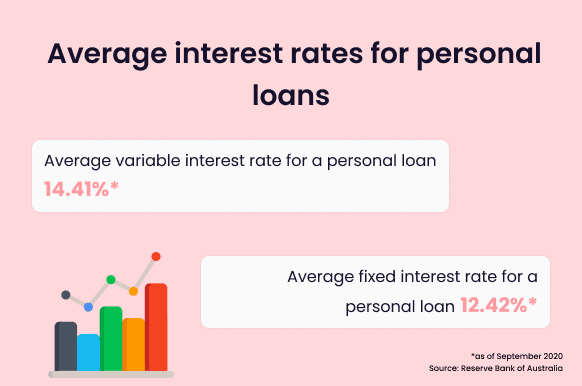
Average personal loan interest rates

Why should I choose a variable rate personal loan?

You might be wondering which option is the right one for you – a fixed or variable interest rate. Ultimately, the option that’s best for you will depend on your individual circumstances and what you can afford to repay and how you want to repay it.

Before taking on a personal loan, it’s a good idea to check what will suit your financial situation best and outline your priorities. With so many personal loan options available, there will likely be a product that suits your needs best.

How Many Personal Loans Can You Have at Once?

how many personal loans can you have at once

Christmas is just around the corner. December can certainly be an expensive time – presents, travel, food and more, it can all add up quickly! Many Australians may opt for a personal loan to help them cover their expenses. But how many personal loans can you have at once? There are a few things to consider here, Tippla has the breakdown below.

The purpose of a personal loan

No matter how organised you are, unexpected expenses can arise. Sometimes, you might need a little extra help to cover these unexpected expenses. That’s where a personal loan comes in.

A personal loan is an amount of money that you can borrow from a financial institution such as a bank, non-bank lender, credit union, etc. You can use this money to pay for a range of personal expenses, such as:

  • Medical expenses;
  • Weddings;
  • Vacations;
  • Funerals;
  • Large purchases, such as a television;
  • Emergency expenses;
  • Home renovations.

Average personal loan interest rates

How many personal loans can you have at once?

There is no law limiting how many personal loans you can have. However, there are responsible lending regulations in place.

The National Consumer Credit Protection Act 2009 dictates that lenders (banks, non-bank lenders, credit unions, etc) need to be responsible when lending money to Australians. The Act requires lenders to only give a loan if it is suitable for the borrower and:

(a)  make reasonable inquiries about the consumer’s requirements and objectives in relation to the credit contract; and

(b)  make reasonable inquiries about the consumer’s financial situation; and

(c)  take reasonable steps to verify the consumer’s financial situation; and

Therefore, lenders can only accept loan applications if they believe that the customer can repay the loan. The more loans you have, the less likely this becomes. If you have multiple loans, you might find it difficult to be accepted for further finance.

Furthermore, some lenders have internal policies as to how many loans they will allow one customer to have. Some may only allow one loan per customer, whereas others might have a limit of two. Other lenders might not have such a policy, but then the responsible lending would come into play.

The downsides of multiple personal loans

Whilst there’s no one answer to how many personal loans can you have at once, as you can have multiple personal loans at the same time, there are some things you should be aware of before you apply for a second loan.

It could hurt your credit score

Your credit score indicates your creditworthiness, or how reliable of a borrower you are. When you apply for a personal loan, this is referred to as a credit enquiry, and it will appear on your credit report for 5 years. Not only that, but credit enquiries harm your credit score. The more enquiries you make, the more damage you could do to your credit score.

Whilst personal loans aren’t always bad for your credit score – if you can effectively manage the repayments, this can help boost your credit rating – having multiple applications on your report can lower your rating.

Limited options for a personal loan

If you already have a personal loan and apply for a second personal loan, you could find that you have limited options. Some lenders have internal policies that only allow them to offer one loan per customer.

Not only that but because you already have one personal loan, when you apply for a second, you will likely be considered to be in a less advantageous financial position. That’s because you presumably had one less debt than you do now.

This could mean you can’t borrow as much as you could before, you are charged a higher interest rate, and you might have access to less ideal terms and conditions.

Having multiple loans can make your budget tight

When you take out a personal loan, you have to repay the amount you borrowed (the principal amount), and typically, interest and fees on top. The more personal loans you have, the more you need to repay, and the bigger strain it will put on your budget.

That’s why it’s a good idea to ensure that you can comfortably make the repayments on your loan before you apply. You can get a general idea of what your repayments might look like with a repayments calculator.

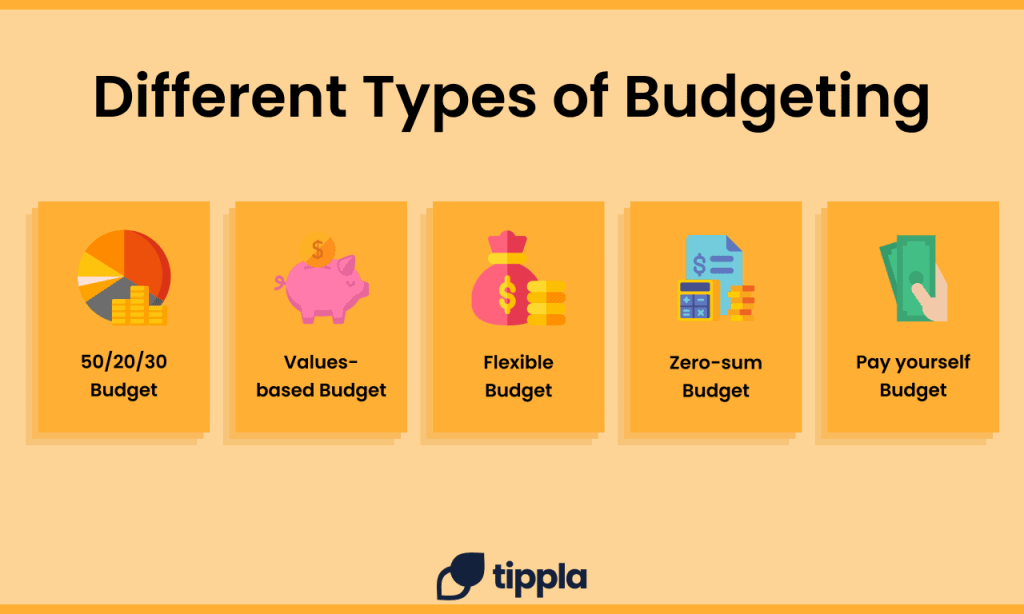
infographic outlining the different types of budgets

Alternatives to taking out another personal loan

If you require extra finance, then taking out a personal loan isn’t your only option. There is a range of alternatives at your fingertips. That’s why it’s a good idea to do your research and see what your options are before applying for anything.

  • Credit cardcredit cards are a revolving line of credit, which means each month, your credit limit resets. Credit cards can be great for bigger purchases, but you have a much tighter repayment period, and credit cards typically charge higher interest rates if you don’t make your repayments.
  • BNPL – instead of paying for something all at once, you can use Buy Now Pay Later (BNPL) platforms to break up the large payment into smaller, more manageable instalments.
  • Refinance – instead of taking out a second personal loan, you might be able to refinance your loan for a larger amount with your existing bank or lender.

Tip: establish an emergency fund to cover unexpected expenses

Life doesn’t always go to plan as we all have had to learn with the COVID-19 pandemic. You might sleep much better at night knowing that you’ve got your own back in case of an emergency. Having enough money in your bank account to cover your expenses for a while should take a huge weight off your shoulders. It could also mean you don’t have to take out a personal loan and worry about the repayments if you have the money on standby in your emergency fund.

How do Personal Loans Work?

how do personal loans work

Do you want access to finance, but you’re not sure what your options are? You might want to consider a personal loan.

If you are wanting access to finance, there are numerous options available to you – credit cards, Buy Now Pay Later (BNPL) platforms and personal loans, among other options. Today, we’re going to cover how do personal loans work?

What is a personal loan?

A personal loan is when you borrow money, either from a bank, non-bank lender, credit union, etc, to pay for something personal. You take out a loan under the agreement that you will repay the amount you borrowed, often with interest and fees on top.

Why would you take on a personal loan?

Personal loans can be used to pay for personal expenses and purchases, such as holidays, home renovations, a car, medical expenses and more. They offer more flexibility than other loans, such as business loans and student loans, which can only be used for specific purposes.

Furthermore, you might opt for a personal loan over a credit card, if you want to borrow a larger amount of money and repay that amount over a longer period of time. According to MoneySmart, the typical repayment period is between one and seven years.

Different types of personal loans

There are different types of personal loans. Below, we’ve listed a few of the most common:

  • Secured personal loans – A secured personal loan is when you have a personal loan that has been secured with collateral. This is typically a vehicle (car loan).
  • Unsecured loans – Unsecured personal loans do not have an asset attached to the loan. Because the lender is taking on more of a risk, you’ll likely be charged higher interest rates and fees than a secured loan.
  • Fixed-rate personal loans – A fixed-rate personal loan is when the interest rate doesn’t change for the duration of your loan.
  • Variable-rate personal loans – A variable-rate personal loan is where the interest rate can change during the term of your loan. This could see your interest rate fall or increase, depending on the market.
  • Overdraft loans – A personal overdraft is kind of like a line of credit, which has been linked to your transaction account. If you run out of funds in your bank account, then the overdraft will activate, allowing you to have access to additional funds.
  • Debt consolidation loans – If you have multiple debts, and you want to pay them off, you can take out a debt consolidation loan. The idea is, you take out one loan, and you use it to pay off your existing debts. Then you only need to focus on repaying one debt.

Paying off personal loans

When you take on a personal loan, you will need to repay the amount that you borrowed, typically with interest and fees on top. You’re not expected to repay the amount all at once but in smaller and more manageable instalments. These are known as repayments.

Depending on your circumstances, these repayments might be weekly, fortnightly, monthly or quarterly. For loans with terms longer than 30 days, the repayments are often on a monthly basis by default.

There are a few things that can affect how much your repayments will be. These include:

  • Principal loan amount (the amount you are borrowing excluding interest);
  • The interest rate;
  • Fees;
  • Loan term;
  • Repayment schedule.

All of these ingredients are used to determine your repayments. Whilst the exact formula banks and lenders use to calculate your repayments isn’t publicly available, and each calculation will be unique to your personal situation and loan conditions, repayment calculators can help you get a general idea of what your repayments might look like.

How do personal loans work?

Applying for a personal loan is quite simple. Nowadays, you don’t need to go into your bank to apply for a bank – you can do everything online. However, the tricky part isn’t applying for a loan, but finding the right loan for you.

Before you apply for a personal loan, there are a few steps you should take. This includes checking your eligibility and comparing the options on the market.

Check your eligibility for a personal loan

Gone are the days when only banks offer personal loans. Today, you can get personal loans from banks, non-bank lenders, credit unions and more. Whilst each of these companies might have specific criteria you will need to meet in order to be approved for a loan, there are some general criteria that you will likely need to meet to be eligible for a personal loan.

The general criteria to be eligible for a personal loan is:

  • You are over 18 years of age;
  • Be an Australian or New Zealand citizen, Australian permanent resident, or have an eligible visa;
  • Live in Australia;
  • Be employed and receive a regular income;
  • Not be going through the process of bankruptcy.

Some of the more specific criteria you will need to meet may include minimum income, credit score and more.

Compare personal loans

There are many different personal loans available on the market. Before applying for a loan, it’s a good idea to compare your options to ensure you can get the best deal on the market.

Here are some things you could consider:

  • Comparison rate – the comparison rate represents the whole cost of the loan. It includes the interest rate and most fees;
  • Interest rate – how much interest you’ll repay on top of the amount borrowed;
  • Application fee – a fee you are charged to cover your application;
  • Other fees – this can include monthly service fees, default or missed payment fees, as well as any other fees;
  • Extra repayments – check your terms and conditions to see whether you can make extra repayments towards your loan without being charged;
  • Loan use – some loans can only be used for certain things. That’s why it’s important you can use the loan for what you need;
  • Loan term – whilst longer-term loans typically have lower repayments, you might end up paying more in interest over the course of your loan.

How to Prevent Mistakes on Your Credit Report

prevent mistakes on your credit report

Whilst mistakes on your credit report can be common, there are certain things you can do to minimise the risks and even prevent mistakes on your credit report. We’ve outlined how you can do this below.

Why are there mistakes on your credit report?

There are numerous reasons as to why there could be mistakes on your credit report. Whilst some reasons might depend on your particular circumstances, there are two main reasons why there are mistakes on your credit report – consumer error and creditor error. For a more in-depth overview, take a look at our recent article which covers why there are mistakes on your credit report.

Common mistakes on your credit report

Chinelle Wardle, the Director of Wardle Consultancy Services Pty Ltd, outlined the most common mistakes she has seen on credit reports as follows:

  • Personal information – incorrect name, outdated address, previous employer, incorrect driver’s licence number;
  • Credit enquiries – the incorrect amount that was applied for listed;
  • Repayment history – not included at all.

Why do mistakes on your credit report matter?

We recently covered this in our article on how to fix mistakes on your credit report. To put it simply, mistakes matter on your credit report, because they can significantly lower your credit score. Why does that matter? Check out our video below.

Your credit score can be the difference between you being accepted or rejected for credit, it can also affect your interest rate and borrowing capacity. Therefore, the higher your credit score, the better.

How to prevent mistakes on your credit report

How can you prevent mistakes on your credit report? We recruited Wardle’s help to answer this question. To make it easier, we have broken this up into four sections – applying for credit, late repayments, updating your information, and what to do in hardship.

Applying for credit

One of the most common places where mistakes are born is during the application process. Mistakes can be made here by both the consumer filling in their details incorrectly, or the creditor making a mistake when inputting customer details.

That’s why it’s important to clarify the information on your application before it is submitted. Wardle specifically advises customers to call up the lender they have applied with to ensure they have input your information correctly. 

Late repayments

On your credit report credit providers can list both missed payments, and defaults. The difference between the two is that a missed payment is a payment you make more than 14 days after the due date. Credit providers aren’t required to send you a written notice before listing a missed payment on your credit report.

Defaults are more serious, and according to the Office of the Australian Information Commissioner (OAIC), credit provider’s can only list a default on your credit report if:

  • The payment has been overdue for at least 60 days;
  • The overdue amount is equal to or more than $150;
  • A notice has been sent to your last known address to let you know about the overdue payment and requesting payment;
  • A second notice was sent at least 30 days later to let you know that if you don’t make a payment the credit provider intends to disclose the information to a credit reporting body;
  • the credit provider must wait at least 14 days after issuing the second notice before listing the default.

Whilst defaults on your credit report are serious, late (or missed) payments can also harm your credit score. According to Wardle, it is quite common for missed payments to be incorrectly listed on your credit report.

Watch out for: changing the repayment date

Specifically, she highlights that one of the most common reasons that late repayments are incorrectly listed on your credit report is when consumers try to change their repayment date. Although the new repayment date is agreed to by the provider, they can fail to record the variation on their internal system correctly.

In order to combat this, Wardle advises Australians to do the following, “If you receive any notice for payment and can’t pay by the due date, the first thing you need to do is call the credit provider to organise a new payment date. Ensure that you obtain the reference number of the call. Once you have completed the call, send a confirmation email to your credit provider citing the reference number of the call to confirm the new agreed payment date.”

This, Wardle outlines should prevent incorrect repayment details and defaults from being added to your credit report. It should also prevent debt collection activities from being placed on your account.

Be proactive

Having outdated information can lead to multiple credit reports created in your name. One way you can combat this is by proactively updating your personal information with creditors.

This is especially important for your contact information – your address, phone number and email address.

Being proactive can prevent outdated information from appearing on your credit report, and reduce the risk of multiple credit reports being generated in your name, which can harm your credit score.

What to do if you are in hardship

If you miss a repayment and can’t afford to pay it back, then it can end up as a default on your credit report. If you find yourself in a difficult financial situation, according to Wardle, it is important that you are honest with your creditors immediately.

Specifically, Wardle recommends that you contact your creditor as soon as you find yourself in financial hardship and ask to be referred to the hardship team to discuss any payments. This way, you are taken out of the collections team and it can stop your report from being negatively impacted. Wardle also suggests that you request a thorough assessment of your loan account and a confirmation email from the credit provider that your report will not be impacted as the hardship claim is being assessed.

national debt hotline

How to Fix Mistakes on Your Credit Report

fix mistakes on your credit report

If you have mistakes on your credit report, it could be harming your credit score and could be affecting your credit applications. It is your right to have mistakes on your credit report fixed for no cost at all. That’s why we’ve put together an overview on how to fix mistakes on your credit report.

Why do mistakes on your credit report matter?

Mistakes on your credit report can be quite common – it could be incorrect personal information, defaults, credit enquiries and more listed on your credit report. Your credit score is calculated based on the information contained in your credit report. Oftentimes, mistakes in your report can seriously harm your credit score. 

Why does this matter? Your credit score can be the difference between you being accepted or rejected for credit, it can also affect your interest rate and borrowing capacity. Therefore, the higher your credit score, the better.

In Australia, you have the right to fix mistakes on your credit report for free. This process is often referred to as credit repair. We’ve outlined below how.

Most common mistakes on your credit report

Chinelle Wardle, the Director of Wardle Consultancy Services Pty Ltd, outlined the most common mistakes she has seen on credit reports as follows:

  • Personal information – incorrect name, outdated address, previous employer, incorrect driver’s licence number;
  • Credit enquiries – the incorrect amount that was applied for listed;
  • Repayment history – not included at all.

What information can you have fixed on your credit report?

To put it simply, if you have a mistake on your credit report, then you have the right to have it fixed. This can entail having your personal information updated, have negative entries such as defaults and enquiries removed, or have entries updated to contain the correct information.

Here’s a quick overview of what information you can have fixed for no cost at all. This list is not exhaustive:

  1. Your personal information – name, date of birth, address;
  2. Duplicate information;
  3. Credit accounts you don’t recognise (created by mistake or as a result of identity theft);
  4. Defaults – either listed incorrectly or the amount of debt is wrong.

It’s worth pointing out here that you can’t have just any negative entry removed. It has to be incorrect for you to be able to have it removed from your credit report.

How to fix mistakes on your credit report

Let’s now take a look at how to fix mistakes on your credit report. There are two main ways you can fix mistakes on your credit report – reach out to the relevant credit provider, or reach out to the credit bureaus. Let’s take a look at both of these options.

1. Reaching out to credit providers

If the mistake on your credit report has to do with an entry on your credit reports – such as a default, credit enquiry, credit account, or incorrect repayment information, then you can reach out to the relevant credit provider to resolve the issue.

When you raise a complaint with the creditor, they have 30 days to respond to your complaint. If the complaint isn’t resolved within this time, you can seek for it to be escalated further both internally with their External Dispute Resolution (EDR) scheme, and if necessary, escalate it externally. You can do this with the Office of the Australian Information Commissioner (OAIC), or with the Australian Financial Complaints Authority (AFCA).

If the credit provider agrees that the information on your credit file is incorrect, according to Experian, they are required to forward a request to the credit bureaus within 5 days to make the correction.

Furthermore, Experian highlights: “Any credit provider must investigate any correction request you make. This applies even if the information wasn’t entered correctly by the credit provider. They must demonstrate to you how the information on your credit report is correct if they don’t agree to correct it.”

2. Reaching out to credit bureaus

Instead of reaching out to the relevant credit provider, you can go straight to the credit bureaus. Specifically, you can request for them to contact the credit provider on your behalf to have the information disputed.

In order to get a credit bureau to investigate the issue on your behalf, you will need to provide them with a range of information. Here’s Experian’s correction process and the correction process for Equifax.