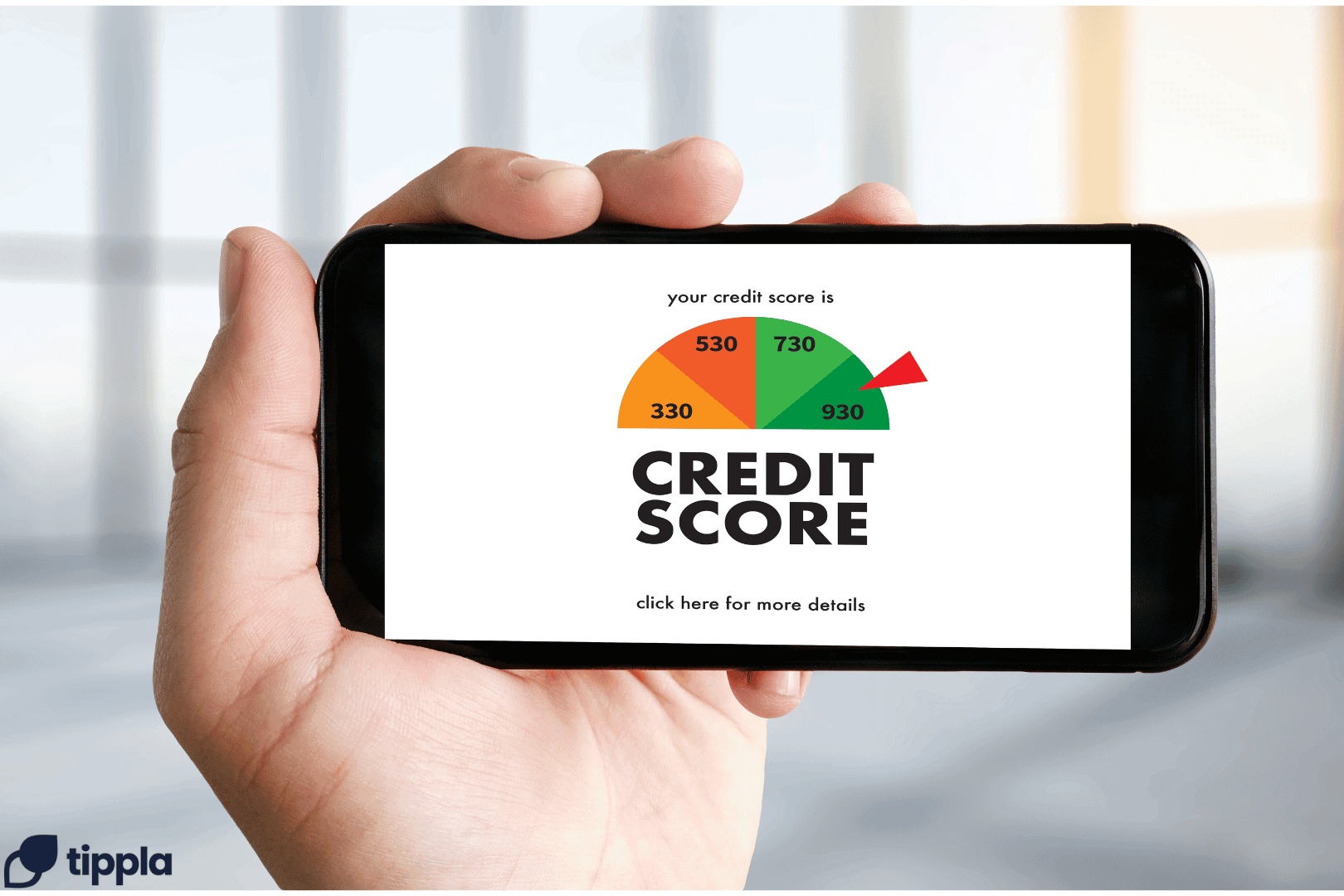
Credit Scores and Financial Planning: Leveraging Good Credit for a Secure Future

Credit scores have a big impact on our financial lives. They affect our ability to get loans and credit cards and even influence major decisions like buying a home or getting a good job.

Think of your credit score as your financial report card. It quietly tells lenders and creditors how responsible you are with cash flow. It can get you lower interest rates on loans, make it easier to rent an apartment, and even help you negotiate better insurance prices.

On the flip side, a low credit score can create problems. It can mean higher costs when you borrow money, fewer options for credit, and more financial stress. In this article, we’ll explore credit scores, how to make them better, and how having good credit can make your financial future more secure.

The Importance of Good Credit

Good credit is like the foundation of a sturdy financial house. It’s not just about getting credit cards or loans; it affects your overall financial life in many ways.

Credit scores are super important because they open doors to financial opportunities. When you want to borrow money, lenders check your credit score to decide if they’ll lend to you and at what interest rate. If your score is high, you get lower interest rates and more chances of getting approved. This makes big purchases like homes and cars more affordable. It can also get you better credit card deals with lower interest and more rewards. But if your score is low, it can be hard to get these opportunities, and you might end up paying more.

And here’s the cool part: good credit isn’t just about borrowing money. It’s about being financially responsible and disciplined. It helps you handle life’s money challenges better, like emergencies, and save for the future. So, it’s not just a number; it’s a key to financial success and a secure future.

Building and Maintaining Good Credit

You can have good credit without taking risks like getting more credit cards or loans. It’s all about being smart with your money.

One of the most important things is to always pay your monthly payments on time. Paying your rent, utilities, and other regular expenses on time shows that you’re responsible with money. This makes your credit score better.

Also, keep an eye on your credit report to make sure it’s correct. Look at your personal information, like your name and address, to make sure it’s right. Then, check your credit accounts, like loans and credit card balances, to see if they’re accurate. If you find any mistakes, tell the credit reporting agencies to fix them so they don’t hurt your score.

Another thing is to not use too much of your credit limit. It’s generally recommended to keep your credit utilisation rate below 30% of your available credit limit. For example, if your total credit limit across all credit cards is $50,000, aim to use no more than $15,000 in credit at any given time. Keeping your utilisation low signals responsible credit management to creditors and can positively influence your credit score.

Lastly, be careful with your old credit accounts. Don’t close them, because they help your credit history look good. Just use them wisely by keeping balances low and paying on time.

Checking Your Credit Report

Checking your credit report is like giving your financial situation and health a check-up in Australia. Here’s how to do it for free, check if it’s correct, and fix any mistakes.

You can get a free credit report in Australia from three big credit agencies: Equifax, Experian, and Illion. They have to give you a free copy of your credit report once a year. You can ask for it online through their websites, which makes it easy. Just give them the right personal information to verify your identity. You can also check your credit report on Tippla.

When you get your credit report, look at it closely to make sure everything’s right. Check your details like your name, address, and date of birth. Then, go through your financial stuff, like loans, and see if it’s correct. Look for anything that doesn’t look right, like mistakes or things that could hurt your credit score.

If you find mistakes in your credit report, it’s important to fix them. Contact the credit agency that has the wrong information and show them proof that it’s a mistake. They have to look into it and fix it within 30 days. Checking your credit report regularly and fixing mistakes can help keep your financial reputation good and your credit score high.

Using Good Credit in Financial Planning

Good credit helps you do lots of financial stuff more easily. It’s not just about getting credit cards or loans; it’s about making your whole financial plan better.

One of the best things about having good credit is that it can get you lower interest rates on loans. When your credit score is high, lenders think you’re not risky, meaning they are able to offer loans with lower interest. This means you pay less over time for things like cars or homes. Good credit can also give you more choices and flexibility when you borrow money.

Using your credit score in your big financial plan is a smart move. It’s not just about having a high score; it’s about knowing how to use it for good decisions. From managing your debts to finding good investment chances, knowing how credit fits into your financial picture helps you be more secure in the long run.

Emergency Funds and Credit

An emergency fund is crucial for covering unforeseen expenses like medical bills, car repairs, or job loss. It provides financial security and serves as a safety net in case of emergencies. Good credit allows for favourable terms and lower interest rates on credit cards or personal loans, making borrowing more affordable. It also helps avoid high-interest debt during financial crises, ensuring borrowing at lower rates and preventing a potential debt spiral. This combination of financial preparedness, emergency savings, and available credit offers flexibility. Emergency funds can be used for immediate needs, while credit lines can be used for more substantial expenses or as a backup.

But here’s the thing: you need to be careful. While credit can be a lifesaver in emergencies, it’s not the only solution. It’s really important to have money saved up in an emergency fund as your first line of defence. Depending only on credit for emergencies can lead to more money troubles later. So, having both a good emergency fund and good credit gives you a complete safety net for tough times.

Homeownership and Good Credit

Owning a home is a big deal for lots of Australians. Good credit can help make it happen. When you want to buy a house, banks look at your credit history to decide if they’ll give you a mortgage. A strong credit score shows that you’re responsible with money, which makes banks more likely to approve your loan.

Plus, good credit can get you lower interest rates on your mortgage. Even a small interest rate drop can mean saving lots of money over the life of your loan. This makes owning a home more affordable and helps you build up equity faster. It shows how important good credit is for reaching your financial goals.

Retirement Planning and Credit Scores

Planning for retirement is a long-term thing, and good credit can play a big part. Your credit history can affect your options when it comes to retirement savings and investments. It can change the terms of loans and credit lines you use for your retirement plan, making it more effective.1

One option is to invest in rental properties to generate rental income during your retirement years. To do this, you need a mortgage to purchase the properties. With good credit, you qualify for a mortgage with a lower interest rate, which translates to lower monthly payments and less interest paid over the life of the loan. This allows you to acquire properties more affordably and increases your cash flow, enhancing your retirement income.

Thinking about your credit when you plan for retirement is smart. It’s not just about having good credit; it’s about using it in the right way. From getting loans for property investments to managing credit lines for business ideas, knowing how credit fits into retirement planning can open up new chances for financial growth and stability. It shows how good credit stays with you through all stages of your financial journey.

Conclusion

Good credit is a foundational pillar of sound financial planning, offering a multitude of benefits throughout life’s financial journey. It enables access to essential financial products, unlocks favourable interest rates, and enhances financial flexibility. Beyond day-to-day financial transactions, good credit also plays a pivotal role in key life milestones, from homeownership to retirement planning. It serves as both a powerful tool and a strategic asset, demonstrating the enduring impact of responsible credit management on achieving long-term financial security and prosperity.


Credit Scores for Small Business Owners in Australia

If you’re a small business owner, you probably know the challenges of managing your finances. From ensuring you have enough capital to cover operational costs to seeking additional funds for growth, maintaining a strong financial footing is crucial. One often overlooked aspect of this financial landscape is your business credit score. Similar to personal credit scores, a business credit score reflects your company’s creditworthiness and can significantly impact your ability to secure loans, attract investors, and even negotiate favourable terms with suppliers.

In this guide, we’ll delve into the world of business credit scores in Australia, highlighting their importance, and offering practical strategies to help you not only manage but also improve your creditworthiness. So, whether you’re a seasoned entrepreneur or just starting, read on to discover how to navigate the intricate web of business credit scores and bolster your financial prospects.

Understanding Business Credit Scores

Business credit scores are a critical aspect of managing a small business. These scores are like a financial report card for your company, reflecting its creditworthiness and reputation in the eyes of lenders, suppliers, and potential partners. Just like your personal credit score, a business credit score helps creditors and other stakeholders assess the risk associated with lending to your company.

Business credit scores are typically calculated based on a variety of factors. These include your company’s financial history, payment history, outstanding debts, and even public records like legal judgments or bankruptcies. These factors collectively provide a snapshot of your business’s financial health and reliability as a borrower. A strong business credit score can open doors to better financing opportunities, lower interest rates, and increased trust among suppliers. On the flip side, a poor score can limit your access to capital and lead to higher borrowing costs, potentially stunting your business’s growth.

Checking Your Business Credit Report

Obtaining and regularly reviewing your business credit report is a vital step in managing your business’s financial health in Australia. It’s a proactive approach that allows you to ensure the accuracy of the information that creditors and potential partners see when they assess your creditworthiness.

To obtain your business credit report, you can turn to reputable credit reporting agencies like Experian, Illion, and Equifax, which are widely used in the country. These agencies compile and maintain the credit information of Australian businesses, and they offer easy ways for you to access your business credit report.

One way to get your business credit report is by directly contacting these credit reporting agencies. They often provide a free report once a year, and you can request it online or by mail.

Once you have your report in hand, it’s crucial to review it meticulously. Check for any inaccuracies, such as incorrect payment histories, debts, or legal judgments that may not belong to your business. Discrepancies or errors in your business credit report could have adverse effects on your creditworthiness, potentially leading to loan denials or unfavourable terms. If you spot any inaccuracies, promptly contact the credit reporting agency to dispute and rectify the errors.

Regularly monitoring your business credit report helps you maintain its accuracy, ensuring that it accurately reflects your business’s financial profile and enhances your credibility in the eyes of creditors and partners.

Building and Establishing Business Credit

Building business credit from scratch can be a challenging task for many small business owners. A solid business credit profile can open doors to better financing options and partnerships. If you’re just starting or have yet to establish a business credit history, there are some strategies to consider.

To begin, it’s crucial to separate your personal and business finances. Create a distinct legal entity for your business, like a Pty Ltd company, and obtain a unique Australian Business Number (ABN). This separation is important because it prevents your financial activities from affecting your business credit.

Next, open a business bank account and apply for a business credit card in your company’s name. Use these accounts responsibly, making payments on time and avoiding accumulating excessive debt. Additionally, establish trade credit relationships with suppliers and vendors who report payment history to credit bureaus. Timely payments to these suppliers can help build your business credit over time.

If you already have a business credit history but find yourself with a low credit score, there are steps you can take to improve it. Start by paying your bills on time, as timely payments have a significant impact on your credit score. Reduce outstanding debts, as a lower debt-to-credit ratio can positively influence your creditworthiness. Regularly review your credit report for inaccuracies, and dispute any errors you find with credit reporting agencies. It’s also beneficial to diversify your credit sources, such as obtaining different types of credit, like business loans or lines of credit, to demonstrate your ability to manage various financial obligations responsibly.

It’s important to note that building strong business credit doesn’t happen overnight. It’s a gradual process that can take several months or even years. The timeline for establishing a solid credit profile depends on various factors, including your financial habits, the industry you’re in, and the lenders or creditors you work with. However, the benefits of having good business credit are well worth the effort. With a strong credit profile, you can access better financing options, negotiate favourable terms with suppliers, and enhance your business’s overall reputation.

Minimum Business Credit Score Requirements

It’s essential to understand the typical minimum business credit score requirements set by lenders when seeking financing for your small business.

According to Small Business Loans Australia, a general rule of thumb for a good business credit score falls within the range of 622 to 725, while a very good score is between 726 and 832. An excellent score is considered to be 833 and above. These benchmarks can serve as a guide when assessing your eligibility for loans or credit lines. A higher business credit score generally indicates a lower credit risk, making you a more attractive borrower to lenders.

Lenders in Australia rely on business credit scores to assess the risk associated with lending to your company. A strong credit score demonstrates your business’s ability to manage financial obligations responsibly, which translates to a lower risk for the lender. A better credit score can therefore result in more advantageous lending arrangements, such as lower interest rates and bigger loan amounts. On the flip side, a lower credit score may result in less favourable terms or even loan denials. Lenders use these scores to make quick, data-driven decisions about whether to extend credit to your business and if so, under what conditions.

It’s important to note that credit score requirements can vary among lenders. While some financial institutions may have strict score requirements, others may be more lenient. The specific financing product you’re applying for can also influence the credit score threshold. For example, securing a business credit card may have different requirements compared to obtaining a business loan or a line of credit. Therefore, it’s advisable to research and approach multiple lenders to understand their credit score criteria and find the best fit for your business’s needs and credit profile. Ultimately, maintaining a healthy business credit score is a smart long-term strategy that can open up more financing options and improve your company’s financial prospects.

Managing Business Debts and Obligations

Effective management of business debts is crucial for the financial well-being of your small business. To ensure responsible handling of debts, consider the following strategies.

Firstly, create a comprehensive budget that includes all your business expenses, including debt repayments. This budget will help you understand your financial commitments and allocate funds appropriately. Be sure to prioritise debt payments to avoid falling behind. Timely payments not only maintain your business credit but can also lead to better terms and lower interest rates on future loans.

Furthermore, maintaining a positive payment history is essential. Pay your debts on time, and if you anticipate difficulties in meeting payments, contact your creditors promptly to discuss possible solutions. Many lenders are willing to work with borrowers facing financial challenges to avoid defaults. Additionally, explore debt consolidation options if you have multiple high-interest debts. Consolidating your debts into a single, lower-interest loan can make repayment more manageable and cost-effective.

When facing financial challenges, it’s vital to address them promptly to prevent damage to your credit score. Ignoring financial problems can lead to missed payments, defaults, and a negative impact on your business credit. If you foresee difficulties in meeting your financial obligations, seek financial counselling or consult with a financial advisor to explore potential solutions.

Conclusion

A business credit score is crucial for a successful small business, as it indicates creditworthiness and can impact financing, supplier negotiations, and partner attraction. Regularly checking your credit report helps identify and address inaccuracies, ensuring accurate financial history. Establishing responsible credit habits like timely payments and debt management can also contribute to a strong credit score.

A strong credit profile can lead to better financing opportunities, lower interest rates, and increased trust in the eyes of creditors and partners. It also provides financial stability during challenging times, making it a valuable tool in navigating the ever-evolving business landscape. Therefore, it’s important to consider your business credit score as a key factor in your path to success as a small business owner.

Credit Scores and Mortgage Applications: What Australians Need to Know

Many Australians dream of owning their own home, but comprehending the pivotal role that credit scores play in securing a mortgage is essential. Credit scores are more than just numerical values; they wield significant influence over loan approvals, interest rates, and the amount you can borrow.

This comprehensive guide aims to explain credit scores by delving into their intricacies, from the way they’re calculated to their profound importance in the mortgage application process. We shed light on how credit scores affect your interactions with key players like lenders and credit reporting agencies. Furthermore, this guide equips you with practical, actionable strategies for not only boosting your credit scores but also maintaining a healthy credit profile, a move that can lead to more favourable mortgage terms.

To ensure you’re making informed decisions, we also debunk common myths surrounding credit scores. Navigating the path to homeownership in Australia can seem like piecing together a complex puzzle. However, by grasping the significance of your credit score through these insights and strategies, you’ll be well-prepared to master the intricate landscape of credit scores and mortgage applications.

How does your credit score impact mortgage eligibility?

Your credit score plays a significant role in determining your eligibility for a mortgage, as it influences various aspects of the process. One of the most notable impacts is on the interest rates you’re offered. Your credit score serves as an indicator of your creditworthiness to lenders. A higher credit score typically translates into lower interest rates, which can result in significant savings over the entire duration of your mortgage.

For instance, if you possess an excellent credit score, you’re likely to qualify for the most competitive interest rates available in the market. Conversely, a lower credit score may lead to higher interest rates, ultimately increasing the overall cost of your mortgage.

Moreover, your credit score is closely linked to mortgage affordability. Lenders take your credit score into account when determining how much they are willing to lend you. A strong credit score may grant you access to a larger borrowing capacity, while a lower score could limit the amount you can borrow. Additionally, a good credit score can open doors to various mortgage products, including those with lower down payment requirements or more flexible terms, thereby expanding your options for affordability.

How to check your credit report?

You may check through any of the major credit reporting agencies in Australia: Experian, Illion, or Equifax. Just visit their website and look for the “Get your credit report” or other similar options. You will then be asked to provide your personal information, including your full name, date of birth, address, and driver’s license number. The agency may also require identity verification through security questions or additional documents. Select your preferred report option, typically offering both free and paid choices, with free access available once a year.

After obtaining your report, review it for errors, discrepancies, or unfamiliar entries. Ensure all credit accounts and payments are accurately recorded. If mistakes are found, contact the agency to dispute and correct them. Regularly monitor your credit report, especially if you plan to apply for credit in the future, to stay informed about your creditworthiness and detect potential issues early.

Did You Know 💡You can use services like Tippla to check your credit scores for FREE? Tippla is a platform that offers tools and resources to help you understand and manage your credit profile. It allows you to access your credit scores and reports from multiple credit reporting agencies, providing a comprehensive view of your creditworthiness.

What are the minimum credit score requirements to be eligible for a mortgage?

Australian lenders may have different minimum credit score requirements for mortgages, depending on several variables. House Finance states that depending on the credit scoring method used for you, a minimum credit score of 650 to 700 is needed to qualify for a house loan.

Typical Minimum Credit Score Requirements:

  • Higher Credit Scores Are Preferred: Lenders typically favor applicants with higher credit scores. A good credit score, usually considered to be above 700, increases your chances of mortgage approval and often leads to more favourable terms.
  • Risk Assessment: Lenders use credit scores to assess the risk associated with lending to a particular borrower. A higher credit score suggests responsible financial behaviour and lower risk, making it easier to qualify for a mortgage.
  • Variations Among Lenders: Different lenders may have varying credit score requirements. Some may be more lenient, especially for borrowers with other strong financial factors, while others might have stricter criteria.
  • Additional Factors: Credit scores are just one part of the mortgage approval process. Lenders also consider factors like your income, employment stability, existing debts, and the size of your down payment when making lending decisions.

To determine the exact minimum credit score required for a specific mortgage, it’s advisable to contact prospective lenders directly or consult with a mortgage broker who can provide guidance tailored to your financial situation. It’s also crucial to work on improving your credit score before applying for a mortgage to increase your chances of approval and secure better loan terms.

The Difference Between Mortgage Prequalification vs. Preapproval

Mortgage Prequalification

Prequalification represents an initial assessment conducted by a lender based on the information provided by the borrower. This typically involves a brief conversation or an online application where you share details about your financial situation, such as income, assets, and debts. It provides a preliminary estimate of the amount you may be eligible to borrow. Prequalification is a valuable early step in helping you understand your homebuying budget and identify potential loan options. It’s important to note that prequalification doesn’t involve a deep dive into your credit history, nor does it signify a commitment to lend; rather, it’s an informal assessment designed to guide your initial home search.

Mortgage Preapproval

In contrast, mortgage preapproval is a more comprehensive process. It entails a thorough examination of your financial documents, which can include tax returns, pay stubs, bank statements, and a credit check. Lenders use this comprehensive information to assess your creditworthiness and determine the exact amount they are willing to lend you. Preapproval offers a substantial advantage when you’re in the process of house hunting. It signals to sellers that you’re a serious buyer with the financial capability to secure a mortgage. Moreover, it can expedite the final loan approval process once you’ve found a home. Importantly, your credit score plays a crucial role in the preapproval process, as a higher credit score often leads to better loan terms, including lower interest rates.

While prequalification offers an initial glimpse of your homebuying budget, preapproval provides a more substantial commitment from a lender and enhances your negotiating power. Both processes consider your credit score, emphasising the importance of maintaining a healthy credit profile to secure favourable mortgage terms.

Preparing Your Finances for Mortgage Approval

When seeking mortgage approval in Australia, getting your finances in order is crucial. Consider these key aspects:

Budgeting for Homeownership Costs Beyond the Mortgage Payment

While your mortgage payment is a significant expense, it’s important not to overlook other costs associated with homeownership, such as property taxes, insurance, maintenance, and utilities. Creating a comprehensive budget that accounts for these expenses ensures that you can comfortably afford homeownership.

Calculating the Debt-to-Income Ratio (DTI) and Its Impact on Mortgage Eligibility

Lenders use the DTI ratio to evaluate your ability to manage mortgage payments alongside your other debts. You can calculate your DTI by dividing your monthly debt payments, including credit cards, car loans, and student loans, by your monthly gross income. A lower DTI ratio is generally more favourable for mortgage approval.

Each lender may have its own preferred DTI ratio for home loan applicants. Many consider a DTI ratio of six or below as acceptable. If your DTI ratio exceeds this threshold, lenders might be cautious about approving your home loan, as it could suggest challenges with repayments if interest rates rise or your financial situation changes.

Strategies for Managing Existing Debts Before Applying for a Mortgage

To improve your DTI and credit score, focus on paying down high-interest debts. This is particularly beneficial for reducing credit card balances, which can positively impact your financial profile. Additionally, avoid taking on new debts before applying for a mortgage, as this can adversely affect your DTI and overall creditworthiness. And lastly, maintain a consistent job and income history, as lenders often seek stability when assessing your ability to repay a mortgage.

Navigating Challenges in Mortgage Approval

When your credit scores fall short of lender requirements, navigating mortgage approval can be challenging. Here’s how to address this situation:

Addressing Low Credit Scores

  • Credit Improvement: Start by improving your credit score. Pay off outstanding debts, reduce credit card balances, and ensure timely bill payments. This will gradually raise your creditworthiness.
  • Check Your Credit Report: Obtain a copy of your credit report to identify any errors or discrepancies. Dispute and correct any inaccuracies to ensure your score accurately reflects your financial situation.
  • Pay Bills on Time: Consistently paying bills and credit obligations on time is one of the most effective ways to improve your credit score. Set up reminders or automatic payments to ensure you never miss a due date.
  • Reduce Outstanding Debt: Work on paying down high-interest debts, especially credit card balances. Aim to keep your credit utilisation ratio (credit card balances relative to credit limits) low, ideally below 30%.
  • Avoid New Debt: Minimise new credit applications before applying for a mortgage. Each credit inquiry can temporarily lower your score. Only apply for credit when necessary.

Strategies for Strengthening Your Mortgage Application

  • Increase Your Down Payment: A larger down payment can compensate for lower credit scores. It reduces the loan-to-value ratio and shows lenders you have a substantial stake in the property.
  • Provide Proof of Income: Demonstrating a stable and sufficient income can boost your application. Maintain a steady job and be prepared to provide documentation, such as pay stubs and tax returns.
  • Seek a Co-Signer: If possible, ask a family member with a strong credit history to co-sign the mortgage. This can enhance your eligibility.

Understanding Alternative Mortgage Options

  • Non-Bank Lenders: Some non-bank lenders specialise in working with borrowers with lower credit scores. They may offer alternative mortgage products with different criteria.
  • Government-Backed Loans: Explore government-backed loan programs like FHA loans, which often have more lenient credit requirements.
  • Mortgage Brokers: Consult a mortgage broker who can connect you with lenders that cater to diverse credit profiles, potentially expanding your options.

While low credit scores can present obstacles, proactive credit improvement and smart financial decisions can increase your chances of securing a mortgage, even in challenging situations.

Monitoring Your Credit During the Mortgage Process

Maintaining good credit habits throughout the mortgage application process is essential for securing favourable terms and ensuring a smooth closing. Lenders will review your credit multiple times during the application process, from preapproval to closing, making it crucial to uphold consistent creditworthiness.

To avoid actions that could negatively impact your credit score during this critical period, refrain from opening new credit accounts or taking on additional debt. Each credit inquiry can temporarily lower your credit score. Timely bill payments are also crucial; even one late payment can harm your credit. Setting up reminders or automatic payments can help you avoid this pitfall. Moreover, aim to keep your credit card balances below 30% of your credit limit, as high balances relative to your limit can adversely affect your credit utilisation ratio.

Ensuring your credit remains strong until closing involves regular monitoring of your credit reports for errors or unauthorised activity. Any inaccuracies should be promptly disputed. Additionally, communication with your mortgage lender is key. Inform them about any financial changes or challenges encountered during the process, as they may offer guidance to mitigate potential issues.

Lastly, avoid closing credit accounts, as doing so can affect your credit utilisation ratio and the length of your credit history. Keeping existing accounts open and active contributes to maintaining a strong credit profile. Remember, maintaining good credit habits is not just about securing a mortgage; it’s about managing your financial health and setting the stage for a brighter financial future.

Seeking Professional Advice from Mortgage Brokers

​​Mortgage brokers and financial advisors play a crucial role in the mortgage application process, helping individuals navigate the complex world of mortgages and improve their readiness for homeownership.

Mortgage brokers act as intermediaries, connecting individuals with suitable lenders and negotiating terms on their behalf. Financial advisors, on the other hand, offer insights into enhancing credit scores and overall mortgage readiness. They can provide strategies for improving credit scores, such as debt reduction and prudent credit account management, and assess financial situations comprehensively, including savings goals, budgeting, and debt management.

Engaging these professionals early in the homeownership journey allows ample time to address credit score issues and financial readiness. When selecting professionals, research and choose those with expertise in the Australian mortgage market. A collaborative approach is essential, working closely with these professionals to develop a customised plan that aligns with homeownership goals. Seeking advice from mortgage experts ensures informed decisions, enhances eligibility, and increases the chances of securing a favourable mortgage offer.

Conclusion

Navigating the intricacies of the mortgage process in Australia requires careful consideration and proactive steps. From understanding credit scores and their impact on eligibility to budgeting wisely and seeking professional guidance, it’s essential to approach the journey to homeownership with diligence.

By following the advice provided in this series of answers, individuals can not only improve their mortgage eligibility but also make informed decisions that contribute to their long-term financial well-being. Achieving homeownership is a significant milestone, and with the right knowledge and preparation, it becomes an attainable goal for many Australians.


How Another Person’s Debt Can Affect Your Credit Score

Shared Credit Woes

In the world of finance, we often find ourselves navigating the delicate balance between independence and interdependence. This journey frequently leads us to shared credit arrangements and co-signing for loans or credit cards with family members, friends, or even partners. While these financial partnerships can be a lifeline in times of need or a significant step towards achieving common goals, they come with a set of complexities and potential pitfalls that are essential to understand.

In this article, we will go deeper into the world of shared credit and co-signing, shedding light on the intricacies of these arrangements and their profound impact on your credit score. Your credit score is not just a number; it’s a powerful indicator of your financial health, influencing your ability to secure loans, rent an apartment, or even land your dream job. Therefore, it’s crucial to be fully informed about how shared credit can affect this vital aspect of your financial life.

Understanding Shared Credit and Joint Obligations

How Co-signing for Loans or Credit Cards Works

Co-signing for loans or credit cards involves two parties, typically one with a strong credit history and one with a weaker credit history. The co-signer agrees to share responsibility for the debt with the primary borrower. If the primary borrower fails to make payments, the co-signer is legally obligated to cover the debt. This joint responsibility is crucial for lenders who may be hesitant to extend credit to individuals with insufficient creditworthiness. Co-signers should understand that their credit history can be affected if the primary borrower misses payments or defaults.

Types of Shared Credit Accounts

In Australia, there are various types of shared credit accounts, each designed to meet specific financial needs and preferences:

  • Joint Bank Accounts: Joint bank accounts are commonly used in Australia, and they can be of various types, including savings, transaction, or term deposit accounts. These accounts allow more than one person to access the funds, making it easier to manage shared expenses and financial responsibilities.
  • Joint Credit Card Accounts: A joint credit card account in Australia allows two individuals to share access to a single credit card. Both parties have equal responsibility for managing and paying off the credit card balance.
  • Joint Loans: Joint loans are perhaps the most common type of shared credit account. In a joint loan, two or more individuals apply for a loan together, and they are equally responsible for repaying the entire loan amount. This means that all co-applicants have their credit histories and financial situations considered when applying for the loan, and they share the responsibility for making timely payments.
  • Guarantor Loans: In a guarantor loan, one individual (the guarantor) agrees to take responsibility for the loan if the primary borrower defaults. The guarantor is typically someone with a strong credit history and the financial means to cover the loan repayments if necessary. These loans are often used by individuals who may not have a strong credit history or are first-time borrowers.
  • Co-Signer Loans: A co-signer loan involves one person applying for a loan, but they have a co-signer who agrees to be equally responsible for the loan in case the primary borrower cannot meet the repayment obligations. The co-signer’s credit history and financial stability are considered during the loan application.
  • Mortgage Co-Borrowers: When purchasing a home, couples or family members often become co-borrowers on a mortgage. This allows them to combine their income and creditworthiness to qualify for a larger loan amount or better interest rates. All co-borrowers share ownership of the property and are equally responsible for mortgage repayments.

Risks and Benefits of Co-signing for Credit

Benefits:

  • Access to Credit: Co-signing can help individuals with limited or damaged credit histories access credit they might not qualify for on their own.
  • Credit Building: Timely payments on shared accounts can help both parties build or improve their credit scores.

Risks:

  • Financial Liability: Co-signers are equally responsible for the debt, which means they could be on the hook for repayments if the primary borrower defaults.
  • Credit Impact: Late payments or defaults by the primary borrower can negatively affect the co-signer’s credit score.

How Shared Debt Affects Your Credit Score

While shared debt can provide access to financing and help achieve mutual goals, it also comes with a significant impact on one’s credit score – a crucial indicator of financial health.

Influence on Credit Reports

According to the Credit Reporting Code of Conduct, when you share a credit account with someone, it typically appears on both parties’ credit reports. Credit reporting bodies like Equifax, Experian, and Illion generally include shared credit accounts in the credit reports of all account holders. These reports reflect the payment history and account behaviour, which can have a substantial impact on the credit scores of all individuals associated with the account. It’s crucial for individuals sharing credit to be aware of this practice and manage their shared accounts responsibly to maintain or improve their credit scores.

Impact on Credit Scores

Joint credit accounts can directly impact your credit scores. Your credit utilisation ratio, which measures the amount of available credit you’re using, can increase if you share an account with a high balance. Additionally, missed payments on shared accounts can significantly lower your credit score, making it crucial for all account holders to communicate and manage the account responsibly.

Consequences for Creditworthiness

Shared debt can affect your creditworthiness when applying for new credit. Lenders assess your credit history and score to determine your eligibility for loans or credit cards. If your shared debt has a negative history, it might result in higher interest rates or even denial of credit.

Strategies for Responsible Management of Shared Credit Obligations

Managing shared credit obligations responsibly is crucial for maintaining a healthy credit score and financial well-being.

Addressing Negative Impact on Your Credit

  • Regularly Monitor Your Credit Report: Begin by regularly monitoring your credit file, which you can obtain for free once a year from credit reporting agencies like Equifax, Experian, and Illion. This will help you stay informed about any changes or issues with your credit history.
  • Open Communication: If shared credit obligations are affecting your credit negatively, it’s essential to communicate openly with the other parties involved. Discuss the situation and explore potential solutions together. Sometimes, misunderstandings can be resolved through dialogue.
  • Negotiate with Creditors: In cases where shared credit is causing issues, consider negotiating with creditors to modify the terms of your credit obligations. This could involve asking for lower interest rates, extended payment terms, or even debt consolidation.
  • Financial Counselling: Seek assistance from a financial counsellor or advisor who can guide managing your shared credit obligations. They can help you create a budget and develop a debt management plan tailored to your situation.
  • Consider a Financial Hardship Application: If you’re facing financial hardship due to shared credit obligations, you may be eligible to apply for financial hardship assistance with your creditors. This could lead to temporary relief, such as reduced payments or deferred interest.
  • Seek Professional Mediation: If you’re unable to agree with the other party involved in the shared credit, you might consider professional mediation services to help resolve the issue amicably.

Legal Considerations and Remedies

  • Consumer Credit Laws: Familiarise yourself with Australian consumer credit laws, such as the National Consumer Credit Protection Act 2009 (NCCP Act) and the Australian Securities and Investments Commission (ASIC) regulations. These laws protect consumers and set out requirements for lenders and credit providers.
  • Credit Reporting Code of Conduct: Understand the Credit Reporting Code of Conduct, which governs credit reporting in Australia. It outlines the rights and responsibilities of both credit providers and consumers concerning credit reporting.
  • Credit Ombudsman Service: In case you believe you’ve been treated unfairly or have disputes with creditors, you can contact the Australian Financial Complaints Authority (AFCA) or the Credit and Investments Ombudsman (CIO). They can mediate and resolve disputes between consumers and credit providers.
  • Legal Advice: If you believe that your shared credit obligations have resulted in unfair or illegal practices, it’s advisable to seek legal advice from a qualified lawyer who specialises in consumer credit matters. They can assess your situation and guide potential legal remedies.
  • Debt Agreements and Bankruptcy: In extreme cases, you may need to consider debt agreements or bankruptcy as a last resort. These are legally binding arrangements that can provide relief from overwhelming debt, but they come with serious consequences and should be considered carefully.

Remember that shared credit obligations can have a significant impact on your financial health, so it’s essential to be proactive and seek professional advice if needed to protect your credit and overall financial well-being. Additionally, always refer to the most up-to-date Australian legal and financial resources when addressing shared credit issues.

Conclusion

Shared credit arrangements and co-signing for loans or credit cards can be both a financial lifeline and a potential source of complications. It’s imperative to recognise that co-signing entails shared legal and financial responsibilities, with both benefits and risks.

While shared credit can offer access to financing and a means to build credit, it also exposes co-signers to financial liability and credit score fluctuations, underscoring the importance of open communication and trust among the parties involved. Understanding how shared debt affects your credit rating is essential for responsible financial management. To mitigate potential negative impacts, we’ve outlined strategies for responsible management of shared credit obligations, including monitoring your credit, negotiating with creditors, seeking legal remedies, and considering financial counselling.

By adhering to these strategies and staying informed about Australian credit laws and regulations, individuals can navigate shared credit challenges with confidence and protect their financial well-being.

Credit Scores for International Students in Australia: Building Credit History

In Australia, as in many other countries, a good credit history is a valuable financial asset. It opens doors to various financial opportunities, from obtaining loans and credit cards with favourable terms to securing housing and utility services.

This guide explores the essential aspects of building and managing credit for international students in Australia, providing insights into the advantages of a strong credit profile, the practical steps to initiate your credit journey, and the strategies to maintain and improve your creditworthiness. Understanding the nuances of credit in Australia and adopting responsible credit practices can empower international students to navigate the financial landscape effectively and make the most of their educational experience Down Under.

Understanding Credit Scores and Reports

A credit score is a numerical representation of an individual’s creditworthiness. It typically ranges from 0 to 1,200, with higher scores indicating better creditworthiness. Lenders and financial institutions use credit scores to assess the risk associated with lending to an individual. This score is calculated based on your credit history, which includes information about your credit accounts, repayment history, credit enquiries, and public records. It’s a measure of how likely you are to meet your financial obligations.

A higher credit score often leads to better lending terms, such as lower interest rates and higher borrowing limits. It can affect your ability to secure loans, credit cards, and even rental agreements.

On the other hand, a credit report is a detailed document that contains your credit history. It includes information about your open and closed credit accounts, any late payments or defaults, credit enquiries made by lenders, and public records like bankruptcies or court judgments. Credit reports are maintained by credit reporting agencies, and individuals can access their credit reports for free once a year to review their financial history.

When you apply for credit, whether it’s a loan, credit card, or mortgage, lenders will often request your credit report and score to assess your creditworthiness. They use this information to make lending decisions. A positive credit history and a high credit score make you a more attractive borrower, increasing your chances of approval and favourable terms.

Challenges Faced by International Students

International students often face various credit-related challenges when studying abroad. These challenges can be attributed to their unique status and circumstances. Here are some common credit challenges faced by international students:

  • Limited Credit History: Many international students have limited or no credit history in the host country, making it challenging to establish credit. Lenders often rely on credit history to assess creditworthiness.
  • Financial Constraints: Managing finances in a foreign country can be complex. International students may face financial constraints due to currency exchange rates, tuition fees, and the cost of living. This can affect their ability to meet financial obligations.
  • Employment Restrictions: Visa regulations often limit the number of hours international students can work, restricting their income potential. Limited income can make it difficult to access credit.
  • Unfamiliarity with Local Financial Systems: Understanding the local financial system, credit scoring mechanisms, and banking practices can be challenging for international students, leading to difficulties in managing credit.
  • Language Barrier: Language barriers may hinder effective communication with financial institutions, making it challenging to navigate credit-related processes.

Importance of Building Credit History

Beyond immediate benefits, a strong credit profile is essential for achieving long-term financial goals in Australia. For instance, when international students transition to permanent residents or citizens and aspire to buy a home, a good credit history becomes crucial for obtaining a mortgage with favourable terms. It also supports entrepreneurial endeavours, as a positive credit history facilitates the acquisition of business loans or lines of credit. Moreover, for those interested in investing in financial instruments like stocks and bonds, maintaining good credit can open up investment opportunities, allowing international students to grow their wealth over time.

Starting Your Credit Journey

Some Australian banks like Commonwealth Bank, ANZ, and Westpac offer tailored accounts for international students, often with low or no fees. These accounts can be conveniently set up online or in person and serve as the cornerstone of your financial presence in the country.

Simultaneously, obtaining a Tax File Number (TFN) is crucial for working and managing your finances in Australia. You can apply for a TFN online after arriving in the country, and it’s used for various financial purposes, including tax filings and savings accounts.

Exploring mobile phone plans and utility services is equally vital. Australia boasts a range of mobile phone providers such as Telstra, Optus, and Vodafone, offering prepaid and postpaid plans to cater to your communication needs. Careful comparison ensures you find a plan that suits your budget. Additionally, when renting accommodation, arranging utilities like electricity, gas, and water is essential. Some providers offer student-friendly packages. It’s crucial to notify utility companies when moving to a new place to avoid billing complications.

Building Positive Credit Habits

Building positive credit habits is a fundamental aspect of establishing and sustaining a strong credit history as an international student.

  • Pay your bills on time – Timely payments serve as the bedrock of a favourable credit history. Missing payments or making late ones can have adverse effects on your credit score. It’s imperative to ensure that bills, loans, and credit card balances are settled on or before their due dates. Setting up direct debits or reminders through banks and service providers can be a handy tool to avoid inadvertent late payments.
  • Manage your credit utilisation responsibly – Credit utilisation, which refers to the proportion of your credit limit that you use, should be kept low. High credit utilisation can negatively impact your credit score. A general rule of thumb is to aim for using no more than 30% of your available credit. Regularly reviewing your credit card and loan statements enables you to monitor your balances effectively, helping you stay within your budget and prevent unexpected high balances.
  • Stick to your budget – Developing a monthly budget to track your income and expenses empowers you to manage your finances efficiently. It facilitates timely bill payments and safeguards against overspending.

Exploring Alternative Credit-Building Strategies

  • Becoming an authorised user on someone else’s credit card – This method may also allow you to initiate your credit journey. The advantage lies in leveraging their positive credit history. However, it’s imperative to ensure that the primary cardholder possesses a commendable credit history and maintains a record of timely payments.
  • Acquiring a secured credit card – Particularly suited for individuals with limited or no credit history, secured credit cards operate by requiring a security deposit that often becomes your credit limit. Responsible use, including punctual payments, can substantially contribute to building your credit profile. During your exploration of secured credit card options, it’s advisable to compare crucial factors such as interest rates, fees, and credit limit requirements. Choose a card that aligns with your needs and offers favourable terms.
  • Credit builder loans – Installment loans, such as credit builder loans, also offer another avenue to enhance your credit standing. Some financial institutions provide credit builder loans tailored to assist individuals in establishing credit. Typically, these loans involve smaller amounts and require regular repayments over a predetermined period. Successfully managing such loans, punctually making payments, and practising sound financial management can yield positive impacts on your credit score.

Monitoring and Managing Your Credit

It’s important to regularly check your credit report to ensure the accuracy of your credit history and quickly identify any unauthorised or incorrect entries. By routinely monitoring your credit report, you can detect potential issues early and take proactive steps to address them. In Australia, you can obtain a free copy of your credit report from each credit reporting agency (Experian, Equifax, or Illion) every year, which helps you stay well-informed about your credit history.

💡Helpful Tip! You can start monitoring your credit score for free using Tippla.

Examine your credit report carefully and if you find any discrepancies, report them to the relevant credit reporting agency as they can negatively impact your credit score. Addressing these issues promptly can significantly improve your overall creditworthiness.

Seeking Professional Guidance

Financial advisors and credit experts can provide highly personalised advice when it comes to credit, taking into account your unique financial circumstances. They can help you understand the complicated credit system and recommend actions that align with your goals. Whether you need assistance in debt management, creating effective repayment strategies, or budgeting, their expertise can be invaluable.

Various Australian government bodies and financial institutions like Study Australia and the Department of Education offer online resources explicitly tailored to international students. These materials cover a broad spectrum of financial topics, including insights into credit. Additionally, many Australian universities extend support through financial literacy programs and workshops, equipping students with a deeper understanding of credit and financial management.

Seeking advice that is specifically crafted to suit your financial situation ensures that you receive recommendations that align seamlessly with your aspirations and financial capacities. Furthermore, this personalised guidance helps you steer clear of common financial pitfalls, such as accumulating excessive debt or mishandling credit cards, which could detrimentally affect your credit history.

Conclusion

As an international student in Australia, establishing a positive credit history is a crucial financial milestone. It begins with fundamental steps like opening a bank account and obtaining a Tax File Number (TFN), forming the basis of your financial identity in the country. Paying bills promptly, whether for mobile phone plans or utilities, significantly influences your credit history, especially when these payments are reported to credit bureaus. Responsible management of a student credit card, marked by on-time payments and prudent balance control, can be a wise choice.

Nurturing positive credit habits, such as consistently meeting payment deadlines and maintaining low balances, underpins a robust credit profile. Exploring alternative strategies, like becoming an authorised user on someone else’s credit card or exploring secured credit card options, can also be advantageous. Vigilant credit monitoring, regular review of your credit report for errors, and tracking your credit score over time are essential practices. Seeking guidance from financial advisors and utilising tailored educational resources can provide vital support throughout this credit-building journey. By gradually building your credit, you’ll pave the way for a secure financial future and improved financial prospects in Australia.

The Role of Credit Scores in Renting a Property in Australia

Renting a property in Australia is a significant milestone, whether you’re a young adult moving out of home for the first time, a family seeking a new place to settle, or a professional relocating to a different city. However, many renters don’t realise that their financial history, particularly their credit score, plays a role in determining their eligibility for their dream rental property.

In the Australian rental market, where demand often outstrips supply, understanding the significance of credit scores can make the difference between securing the home of your dreams and facing disappointment. Your credit score reflects your financial responsibility and reliability in the eyes of landlords and property managers. It can influence not only whether you get approved for a lease but also the terms and conditions of that lease.

This article will dive deeper into the impact of credit scores on your rental prospects and provide valuable insights into building and maintaining a good credit profile to enhance your chances of securing your desired rental property in Australia.

Understanding Credit Scores and Reports

Think of your credit score as a financial report card. It’s a three-digit number that summarises your creditworthiness. In Australia, credit scores typically range from 0 to 1,200, depending on the credit reporting agency (CRA). These agencies collect and maintain credit-related information about individuals and generate credit reports and scores based on this data. A higher score indicates a more robust credit history and makes it easier to access credit or secure a rental property.

On the other hand, a credit report is a document that provides a detailed record of an individual’s credit history and financial behaviour. It is maintained by credit reporting agencies (CRAs), such as Equifax, Experian, and Illion, and is used by lenders, financial institutions, and even landlords to assess an individual’s creditworthiness.

You can learn more about credit score and credit reports in the articles below:

💡Helpful tip: Or you can opt to start monitoring your credit score for free with Tippla!

What is a Credit Report?

Here’s a breakdown of what a credit report in Australia typically includes:

  • Personal Information: This section contains personal details, including your name, date of birth, current and previous addresses, and employment history. It helps verify your identity.
  • Credit Enquiries: The report lists enquiries made by lenders or credit providers when you apply for credit. Each credit enquiry is recorded, indicating which credit provider requested your credit report and when the enquiry was made.
  • Credit Accounts: This section provides a detailed account of your credit history, including all credit accounts you have held or currently hold. This includes credit cards, personal loans, mortgages, and any other form of credit. It includes information about the credit limit, account balance, and the date the account was opened.
  • Repayment History: Credit reports now include information about your repayment history on credit accounts. It indicates whether you have made payments on time or if you’ve had late payments or defaults.
  • Defaults: Defaults occur when you fail to make a payment on a credit account, and the creditor has

Landlord and Property Manager Perspectives

Selecting reliable and responsible tenants is a top priority for landlords and property managers. After all, tenants who pay rent on time and care for the property contribute to the overall success of property management.

This is where credit scores come into play.

When landlords request your credit report, they gain valuable insights into your financial responsibility. A high credit score not only suggests your ability to meet rent payments without a hitch but also indicates your diligence in managing financial commitments.

Balancing with Other Tenant Qualifications

While a high credit score is favourable, it doesn’t guarantee a stable income. Landlords consider an applicant’s income to ensure they can comfortably afford the rent. Positive rental history, including references from previous landlords, provides valuable insights into a tenant’s behaviour, cleanliness, adherence to lease terms, and interactions with neighbours. To ensure the safety of tenants and property, landlords may conduct criminal background checks.

Additionally, personal interviews and references offer opportunities for landlords to assess an applicant’s character and suitability as a tenant.

Legal Compliance

Landlords must adhere to fair housing laws that prohibit discrimination based on factors like race, religion, gender, or disability. Credit checks should be applied uniformly to all applicants and should not be used to discriminate unfairly.

Lease Terms and Security Deposits

Depending on the credit score and other qualifications, landlords may adjust lease terms. For instance, tenants with lower credit scores may be required to provide a larger security deposit to mitigate potential risks.

Navigating Credit Challenges

Navigating credit challenges as a tenant, especially when you have limited credit history or a lower credit score, can be challenging, but there are strategies and options available to improve your chances and secure a rental property:

Limited Credit History

If you find yourself with limited or no credit history, it’s essential to start building it responsibly. One effective strategy is to open a credit card or a secured credit card. By making small, regular purchases and ensuring timely bill payments, you can gradually establish a positive credit history. Additionally, some landlords may accept a co-signer with a strong credit history who is legally responsible for rent payments if you are unable to pay, reducing the landlord’s risk.

Lower Credit Scores

If you have a lower credit score, transparency is key. Be upfront with potential landlords about your credit score and any contributing factors. Explain any extenuating circumstances, such as medical bills or a job loss, that may have impacted your credit negatively. To reassure landlords, consider offering a larger security deposit, providing them with a financial cushion in case of missed payments. Additionally, seek out landlords or property management companies with more lenient credit requirements or those who consider factors like rental history and income. Tenant improvement programs offered by some organisations can provide valuable financial education and assistance with the rental application process.

The Role of Rental References

Rental references play a significant role in the tenant selection process, providing landlords and property managers with valuable insights into an applicant’s rental history and character. While credit scores offer financial information, positive rental references can complement credit scores by offering a more holistic view of a tenant’s suitability. Here’s how rental references are important and how they complement credit scores:

Verifying Rental History

Rental references serve as a reliable means of confirming the accuracy of information presented on the rental application. This encompasses validating an applicant’s prior addresses, rental durations, and payment history. Additionally, these references shed light on tenant behaviour, revealing whether the applicant adhered to lease terms, paid rent promptly, maintained the property, and interacted respectfully with neighbours.

Character Assessment

Beyond factual verification, rental references provide insights into an applicant’s character. Positive references can vouch for the applicant’s responsibility as a tenant, showcasing instances where they went above and beyond. This might include promptly reporting maintenance issues or ensuring the property remains clean and well-maintained. Furthermore, landlords gain valuable insights into the applicant’s communication skills and their ability to amicably resolve issues with past landlords and neighbours.

Complementing Credit Scores

Rental references serve as a complementary component to credit scores. A strong rental history characterised by on-time rent payments can compensate for a lower credit score or limited credit history. This history demonstrates the applicant’s capacity and willingness to meet financial obligations, effectively mitigating concerns about their creditworthiness. As a result, landlords may feel more assured about renting to applicants with a track record of responsible tenancy, even if their credit score is less than perfect.

Identifying Red Flags

Negative rental references function as warning signals for landlords, alerting them to potential issues. Late payments, property damage, or disputes with neighbours or previous landlords can be disclosed through negative references. This information is invaluable for landlords as it aids in making informed decisions about prospective tenants.

Legal and Ethical Considerations

When it comes to conducting credit checks during the rental application process, landlords and property managers in Australia must navigate a complex legal and ethical landscape to ensure fairness, respect data privacy, and uphold tenant rights. Here are some important considerations to keep in mind:

Legal Framework for Credit Checks

  • Fair Housing Laws: Landlords must adhere to federal, state, and local fair housing laws that prohibit discrimination based on various factors, including race, religion, gender, nationality, disability, and familial status. It’s crucial to conduct credit checks uniformly for all applicants to avoid any discriminatory practices.
  • Credit Reporting Laws: The Office of the Australian Information Commissioner (OAIC) governs how consumer credit information is collected and used. This includes obtaining written consent from applicants before conducting credit checks and providing adverse action notices if an applicant is rejected based on their credit report.
  • State and Local Regulations: Different states and municipalities in Australia may have specific laws regulating credit checks, such as setting limits on application fees and requiring disclosure of credit check policies to applicants. Staying informed about and complying with local regulations is essential.

Fair and Unbiased Evaluation

  • Consistency: Apply consistent criteria and standards to assess all applicants, regardless of their background, to prevent discrimination. Credit checks should be just one component of a comprehensive evaluation process that considers income verification, rental history, and other relevant factors.
  • Use of Objective Criteria: When evaluating an applicant’s credit history, rely on objective criteria, such as specific credit score thresholds or guidelines for assessing negative items on a credit report.
  • Individual Assessment: Recognise that each applicant’s situation is unique. Allow applicants to explain any adverse credit history, considering factors like medical debt or temporary financial setbacks. This approach enables a more holistic evaluation.

Data Privacy and Tenant Rights

  • Consent: Always obtain written consent from applicants before conducting a credit check. This consent should be separate from the rental application and clearly outline the purpose of the credit check.
  • Secure Handling of Data: Safeguard applicant information and credit reports to prevent unauthorised access or data breaches. Ensure that sensitive data is stored securely and properly disposed of when it’s no longer needed.
  • Transparency: Be transparent with applicants about the credit check process. Provide information about how credit checks are conducted, what information is collected, and how it will be used in the decision-making process.
  • Tenant Screening Services: If you use a tenant screening service, ensure that the service provider complies with all relevant data privacy laws and regulations. Choose reputable and compliant screening services.

Appeals Process

In cases where an applicant is denied based on their credit report, establish an appeals process that allows them to dispute inaccuracies or provide additional information for reconsideration.

Conclusion

Renting a property in Australia involves a complex interplay of financial factors, with credit scores playing a pivotal role in the tenant selection process. However, it’s essential to remember that credit scores are just one piece of the puzzle. A holistic assessment of an applicant’s financial history, including rental references, is vital for making well-informed decisions.

For those facing credit challenges, such as limited credit history or lower scores, proactive steps like responsible credit building and open communication with potential landlords can make a significant difference in securing the desired rental property. Rental references provide valuable insight into an applicant’s rental history and character, helping landlords make comprehensive decisions.

Furthermore, both renters and landlords must be aware of the legal and ethical considerations surrounding credit checks in rental applications. Adhering to these frameworks ensures fairness, prevents discrimination, and safeguards the rights and data privacy of tenants.

Building Your Credit Profile Early

A Guide for Students and Young Adults

Disclaimer: This content does not constitute financial advice. The article below is for the readers’ information and education only. The writers at Tippla are not financial advisors and are therefore not authorised to offer financial advice. Tippla recommends our readers to always do their research and seek independent advice as needed.

Embarking on the journey of adulthood brings with it a multitude of exciting opportunities and challenges. As a student or young adult in Australia, you are likely to find yourself navigating a world of independence, education, and career prospects. Among the many facets of life you’ll encounter, there’s one that often remains overlooked but holds tremendous power in shaping your financial future: your credit file.

Your credit profile, often referred to as your credit history or credit score, plays a pivotal role in your financial life. It influences your ability to secure loans, rent an apartment, buy a car, and even land your dream job. While building a positive credit history may not be the most glamorous part of your young adult life, it is undoubtedly one of the most significant steps you can take toward securing your financial success.

In this guide, tailored specifically for students and young adults, we aim to empower you with the knowledge and tools needed to start building a robust and positive credit history early in life. We understand that the world of credit can seem complex and daunting, but by following the steps and tips outlined in this guide, you will be well-equipped to embark on this journey with confidence.

Understanding The Basics of Credit

Credit refers to the ability of an individual or entity to borrow money or obtain goods and services with the understanding that they will repay the borrowed funds, often with interest, at a later date. Your credit score is essentially a measure of trustworthiness and financial responsibility.

Now, let’s dive into credit scores. These are essentially like report cards for your financial behaviour. They provide a snapshot of how responsible you are when it comes to paying back the money you’ve borrowed. In Australia, credit scores typically range between 0 and 1,200, where higher scores are better. A higher score indicates to lenders that you’re a more trustworthy borrower, increasing the likelihood that they’ll have confidence in your ability to repay.

How Credit Scores Affect Borrowing and Interest Rates

A high credit score suggests that you have a history of managing credit obligations diligently, including making timely payments and maintaining low credit card balances. This history signals to lenders that you are likely to continue responsible financial behaviour, making you a lower-risk borrower and potentially qualifying you for better loan terms and interest rates. Lower interest rates mean you’ll pay less for the money you borrow. But if your credit score is on the lower end, lenders might hesitate to give you a loan. And if they do, the interest rates can be higher because they want to make sure they get their money back, even if it’s a bit riskier.

So, understanding credit and credit scores is like knowing how your financial reputation affects your wallet. It’s a big deal, and it’s crucial to start building a positive credit history early in life to make your financial future brighter.

Why Building Credit Early Matters

Alright, let’s talk about why it’s a smart move to start building your credit early in life.

Advantages of Getting Credit Young

When you begin building credit while you’re still a young adult, you’re setting yourself up for a bunch of good stuff:

Getting Loans When You Need Them

Think about buying a car, going to university, or even starting your own business someday. These things often require a bit of financial help. When you’ve got a solid credit history, banks, other financial institutions, and lenders are more likely to say “yes” to giving you the money you need.

Mortgages for Your Dream Home

If you’re dreaming of owning a house in the future, having good credit is like having the golden key. Lenders trust you more, so they’re more likely to approve your mortgage application. Plus, they’ll usually give you better deals with lower interest rates.

Credit Cards with Perks

Credit cards can be super handy, especially for emergencies or booking that dream holiday. With a good credit history, you can snag credit cards with great perks like cashback rewards, travel miles, and more. It’s like getting a bonus for being responsible with money.

Setting the Stage for Good Money Habits

Starting early with credit helps you build responsible money habits. You’ll learn how to manage your finances wisely, pay your bills on time, and avoid bad debt traps. These skills will serve you well throughout your life.

Understanding Your Current Financial Situation

Let’s take a look at where you’re at right now when it comes to money. This is like checking the map before you start a road trip – you need to know where you are to figure out where you want to go.

Assessing Your Financial Habits and Know-How

First things first, let’s see how you’re doing with your money habits and what you know about finances. Are you pretty good at budgeting, or do you sometimes wonder where your money went by the end of the month? It’s alright either way – knowing where you stand is the first step to getting better.

Identifying Any Existing Credit History or Credit Card Accounts

Next up, let’s find out if you’ve already dipped your toes into the credit pool. Do you have a credit card, a student loan, or maybe even a mobile phone contract? These are all things that can show up on your credit history. You can check out Tippla, a credit score management platform that provides services related to monitoring and tracking your credit score.1

Building Credit as a Student

Building credit when you’re a student is pretty important for your financial future. It’s like laying the groundwork for being able to do adult things like getting a loan for a car, renting a place to live, and sometimes even landing a job. But, you don’t necessarily need to jump into getting a credit card right away. Here are some smart ways to build credit:

Become an Authorised User

If you have a family member who has a credit card and pays their bills on time, you can ask them to add you as an “authorised user” on their card. This means their good credit behaviour will show up on your credit report.

Student Loans

If you have student loans, paying them on time can actually help boost your credit score. But remember, only borrow what you absolutely need for your education. Going overboard can lead to stress down the road.

Credit Builder Loans

Some credit unions and banks offer something called “credit builder loans.” These are made for folks who are just starting to build credit. You basically borrow a small amount, and the lender keeps it in a savings account. As you make payments, they tell the credit bureaus, which helps build your credit history.

Rent Reporting Services

Some services let you report your rent payments to the credit bureaus. If you’re a responsible renter, this can be a simple way to build credit without taking on extra debt.

Secured Loans

A secured loan is kind of like a safety-net loan. You put some money into an account as collateral, and then you borrow against it. By paying it back on time, you show lenders you can handle credit responsibly.

Utility and Cell Phone Bills

Sometimes, utility companies and cell phone providers report your payment history to the credit bureaus. Paying these bills on time can gradually build up your credit.

Peer-to-Peer Loans

There are online platforms where regular people lend money to each other. These loans can be easier to get than traditional ones, and if you pay on time, it can help your credit.

Build Savings Habits

This isn’t about credit directly, but having a good savings history can make lenders more likely to approve you for loans. It shows them you’re responsible with your money.

Monitoring Your Credit

It’s always a good idea to keep an eye on your credit. It’s kind of like regularly checking the health of your bank account – it helps you stay on top of your financial game.

The Value of Regularly Checking Your Credit Report

Your credit report is like your financial report card. It tells lenders how responsible you are with money. Checking it regularly has a few important perks:

  1. Spotting Errors: Sometimes, mistakes happen. You might see something on your report that belongs to someone else or a payment marked as late when it wasn’t. By checking, you can catch these errors and fix them.
  2. Preventing Identity Theft: If someone tries to steal your identity and open accounts in your name, you can catch it early by monitoring your credit. This can save you a ton of trouble down the line.
  3. Knowing Where You Stand: Your credit report clearly shows your financial health. It’s like stepping on a scale to track your progress. Are your finances getting better, or is there room for improvement?

Identifying and Disputing Errors on Your Credit Report

If you spot something wrong on your credit report, don’t panic. Here’s what you can do:

  • Contact the Credit Reporting Agency: Get in touch with the credit reporting agency that issued the report with the error. In Australia, there are three main ones: Equifax, Experian, and Illion.
  • Provide Proof: Explain what’s wrong and provide any evidence you have so that they can investigate the issue.
  • Follow Up: Keep an eye on your report to make sure the error gets fixed. It might take a little time, but persistence pays off.

Tracking Your Credit Score’s Progress Over Time

Your credit score is like the summary of your credit report. It condenses all your financial behaviour into one number. Tracking your score over time is like watching your fitness improve on a workout app – it shows you how you’re doing.

  • Check Regularly: You can check your credit score for free through some online services like Tippla. Doing it regularly helps you see how your financial habits affect your score.
  • Understand the Factors: Learn what factors influence your score, like paying bills on time and managing your debts.
  • Set Goals: Use your score as a benchmark. If it’s not where you want it to be, set goals to improve it. This can help you qualify for better loans and deals.

Avoiding Common Credit Mistakes

  • Late Payments on Existing Loans

Missing the due date on your credit card or loan payments can be a real downer for your credit score. Even one late payment can haunt your credit report for years.

To keep this pitfall at bay, consider setting up payment reminders or automatic payments through your bank. This way, you’ll never forget to pay on time, ensuring your credit score remains intact.

  • Maxing-Out Credit Cards

Using up every bit of your available credit is like walking a tightrope of financial risk. It sends the message that you might be struggling to handle your debts.

The trick here is to use only a portion of your credit limit, ideally keeping your credit card balance below 30% of the limit. This showcases lenders that you can manage your credit responsibly without maxing out your cards.

  • Missed Payments and Loan Defaults

Missing numerous payments and letting your loan slip into default territory can wreak havoc on your credit score. It might even trigger collection actions.

Should you find yourself facing financial difficulty, always reach out to your lender. They might be able to work out a temporary solution, like a repayment plan, to help you steer clear of this credit disaster.

  • Too Many Active Loans

Handling multiple loans simultaneously can become a juggling act. It can also set off warning signals with lenders, potentially making it tough to secure new credit.

Exercise caution when considering new loans if you’re already juggling several. It’s often wiser to prioritise paying off your existing debts before taking on additional ones.

  • Multiple Loan Applications

Applying for credit from multiple lenders within a short span can harm your credit score. It may give the impression that you’re desperate for credit, which isn’t seen favourably.

Before you hit that “apply” button, research and compare loan options thoroughly. Ensure you’re a strong candidate for approval to prevent unnecessary dings to your credit score.

Balancing Credit Usage with Savings

Saving money while you’re working on your credit is like having a safety net. Life can throw unexpected expenses your way, and having savings can help you avoid relying too heavily on credit when those surprises come knocking.

Creating a Budget that Prioritises Savings and Debt Repayment

Here’s the game plan: create a budget for your savings and debt.

  • Set Clear Goals: Determine how much you want to save and how you plan to use credit wisely. Having specific goals will keep you focused.
  • Allocate Your Income: Make sure your budget allocates a portion of your income to savings. This could be for an emergency fund, retirement, or other financial goals.
  • Tackle Debt Strategically: If you have existing debts, create a plan to pay them off. Focus on high-interest debts first while still making minimum payments on others.
  • Build an Emergency Fund: Having an emergency fund is crucial. It can cover unexpected expenses without resorting to credit, keeping your credit usage in check.
  • Control Credit Usage: Use credit when it makes sense, like for building your credit history, but don’t rely on it for everyday expenses if you can avoid it.

Achieving a Healthy Balance Between Credit-Building and Financial Security

So, how do you strike that perfect balance between credit and savings? It’s about finding the sweet spot:

  • Prioritise Saving: Always aim to save a portion of your income, no matter how small. Even a little bit adds up over time.
  • Use Credit Responsibly: When you use credit, do it wisely. Pay your bills on time, keep your balances low, and avoid maxing out your credit cards.
  • Emergency Fund First: Before focusing too heavily on credit-building, ensure you have an emergency fund to handle unexpected expenses without relying on credit.
  • Regularly Review Your Budget: Life changes, so should your budget. Regularly review and adjust it to make sure you’re staying on track with both savings and credit goals.

Remember, it’s not about choosing between credit-building and savings – it’s about doing both in a way that secures your financial future. Balancing these two goals might take some effort, but it’s a path to financial security and peace of mind.

Conclusion

Building and managing your credit while simultaneously nurturing your savings is a pivotal strategy in securing a strong financial future. By starting early and using credit responsibly, you lay the groundwork for a robust credit history that opens doors to various financial opportunities.

Regularly monitoring your credit helps you stay on top of your financial health, enabling you to spot and correct errors and track your progress. Avoiding common credit pitfalls, such as late payments and excessive debt, is essential for maintaining a positive financial reputation.

Balancing savings and credit usage is like building a safety net to guard against overreliance on credit during unexpected financial challenges. Creating a purposeful budget and setting clear financial goals guide you on this journey, ensuring that you’re on track to achieve your aspirations. It’s not just about managing your money; it’s about setting a course for a secure and prosperous future.

How SMSFs Help Build Long-Term Wealth

stock vs savings accounts

When it comes to planning for the future, Australians have plenty of options for growing their nest egg. One of the more popular strategies among proactive investors is the use of Self-Managed Super Funds (SMSFs). Unlike traditional superannuation accounts, SMSFs give individuals more control over their retirement savings, allowing them to choose where and how their money is invested. Done well, SMSFs can be a powerful vehicle for building long-term wealth.

What is an SMSF?

A Self-Managed Super Fund is a private superannuation fund managed by its members, who are usually also the trustees. This means you’re responsible for running the fund and ensuring it complies with super and tax laws. An SMSF can have up to six members, often families or business partners, pooling their resources to manage investments together. The appeal lies in flexibility—you get to decide on the investment mix, whether that’s property, shares, or alternative assets.

Why Australians Are Choosing SMSFs

Control is the biggest drawcard. Traditional superannuation funds often limit your choices to pre-selected portfolios. With an SMSF, you can tailor investments to your financial goals, risk appetite, and even ethical considerations. According to the Australian Taxation Office (ATO), there are over 600,000 SMSFs managing more than $868 billion in assets, representing about 25% of all superannuation savings in Australia (ATO). This shows just how significant SMSFs have become in Australia’s financial landscape.

How SMSFs Build Long-Term Wealth

The ability to choose investments gives SMSF trustees an edge in growing wealth. Rather than being confined to standard super products, SMSFs can hold a wide range of assets. Here are a few common strategies people use:

  • Direct property investment – Many SMSFs invest in residential or commercial property for rental income and long-term growth.
  • Shares and managed funds – Trustees can diversify across local and international markets.
  • Fixed income and term deposits – For those seeking stability, fixed interest provides steady returns.
  • Alternative assets – SMSFs can even include collectibles, though strict rules apply.

This flexibility means members can tailor strategies to both short-term opportunities and long-term growth.

The Role of SMSF Lending

A growing number of SMSFs are using borrowing strategies to amplify their wealth-building potential. With SMSF lending, funds can borrow money to purchase assets such as commercial property. Known as Limited Recourse Borrowing Arrangements (LRBAs), these loans allow SMSFs to expand their portfolios beyond what their contributions alone might achieve. While borrowing comes with added risk, it can significantly boost returns when managed responsibly.

Diversification and Risk Management

A key principle in wealth building is diversification, and SMSFs make this easier to achieve. By spreading investments across multiple asset classes, members reduce their exposure to any one sector. For example, holding a mix of property, equities, and fixed income provides a safety net if one market underperforms. SMSFs also allow trustees to respond quickly to market changes, adjusting strategies without waiting for fund managers.

Tax Benefits of SMSFs

Another advantage of SMSFs is the tax treatment of superannuation. Income within the fund is generally taxed at a concessional rate of 15%, which can be lower than members’ personal tax rates. Capital gains on assets held for more than a year are taxed at an effective rate of 10%. Once in the pension phase, investment earnings and withdrawals may even be tax-free, depending on the circumstances. These tax efficiencies make SMSFs a powerful tool for long-term wealth accumulation.

The Responsibilities Involved

While SMSFs offer control and flexibility, they also come with significant responsibilities. Trustees must comply with superannuation laws, lodge annual returns, and ensure investments are made for the sole purpose of providing retirement benefits. Mistakes can be costly, with penalties for non-compliance. It’s why many trustees work closely with accountants, financial planners, and auditors to ensure the fund runs smoothly.

Who Should Consider an SMSF?

An SMSF isn’t the right fit for everyone. They are generally more suitable for people with larger super balances—often $200,000 or more—because of the costs involved in setting up and maintaining the fund. SMSFs also suit individuals who want hands-on control over their investments and are willing to take on the administrative responsibility. For those who are time-poor or uncomfortable making financial decisions, a traditional super fund may be a better option.

Final Thoughts

Self-Managed Super Funds are playing an increasingly important role in how Australians plan for retirement. With the ability to invest in a wide range of assets, benefit from concessional tax treatment, and even leverage through SMSF lending, these funds offer powerful tools for building long-term wealth. However, with great control comes great responsibility. For those prepared to take on the challenge, SMSFs can provide both financial freedom and peace of mind as retirement approaches.