
How to Shop for Loans and Credit Cards Without Damaging Your Credit Score

Maintaining a good credit score is essential for securing favourable loan and credit card terms, as it reflects your financial reliability to potential lenders. Understanding the nuances of the credit system can help you navigate the borrowing process more effectively.

This guide provides specific tips on shopping for loans and credit cards while safeguarding your credit score, ensuring you make informed financial decisions without inadvertently harming your creditworthiness.

Understanding Credit Scores

What is a Credit Score?

A credit score is a numerical representation of your creditworthiness, used by lenders to assess the risk of lending you money. In Australia, credit scores typically range from 0 to 1200, with higher scores indicating lower risk to lenders.

Read more about credit scores in our previously published articles:

Several factors impact your credit score:

How Credit Scores are Used by Lenders

Lenders use your credit score to evaluate the likelihood that you will repay your debts. A higher score can make you a more attractive candidate for loans and credit cards, as it indicates lower credit risk. This can affect not only whether you are approved for credit but also the terms of the credit offered.

Loan and Credit Card Approvals

Lenders typically look for a credit score of at least 600 for car loans, although some may consider scores as low as 550. For other types of loans and credit cards, a higher score increases your chances of approval and may provide access to better rates and terms.

Interest Rates and Terms

Your credit score also influences the interest rates and terms of your loans and credit cards. Higher scores generally lead to lower interest rates and more favourable loan conditions, saving you money over the life of the loan. Conversely, a lower score can result in higher interest rates and less favourable terms.

Impact of Credit Enquiries

Credit enquiries, or credit checks, are divided into two main types: hard enquiries and soft enquiries. Each type has different implications for your credit score.

Hard enquiries occur when a financial institution, such as a bank or lender, checks your credit report as part of their decision-making process for a loan or credit card application. These enquiries require your permission and stay on your credit report for up to five years in Australia.

Soft enquiries, on the other hand, are checks that do not impact your credit score. They can happen without your explicit consent, such as when you check your own credit score or when a company checks your credit for a pre-approved offer.

Examples of Each Type

  • Hard Enquiries: Applying for a mortgage, car loan, personal loan, or credit card.
  • Soft Enquiries: Checking your own credit score, employer background checks, and pre-approved credit card offers.

Short-term and Long-term Impacts of Credit Enquiries

In the short term, hard enquiries can cause a small drop in your credit score, but this impact usually diminishes over time. However, having multiple hard enquiries within a short span can have a cumulative negative effect, potentially affecting your ability to secure credit on favourable terms. In the long term, as these enquiries age and new positive credit behaviours are reported, their impact lessens.

Frequency and Timing Considerations

To minimise the negative impact of hard enquiries, it’s advisable to limit the number of credit applications you make. If you need to apply for multiple credit products, try to spread them out over time rather than applying for several at once. Regularly checking your own credit score is a good practice and doesn’t harm your credit score since it counts as a soft enquiry.

Research and Preparation

Researching before applying for loans or credit cards is crucial. It helps you find the best deals, avoid unnecessary fees, and understand the terms and conditions of your financial products. This preparation can save you money and protect your credit score from unnecessary hard enquiries.

Tips for Researching Loans and Credit Cards

  1. Compare Interest Rates, Fees, and Terms: Look at the annual percentage rates (APRs), any hidden fees, and the repayment terms. Understanding these factors can help you choose a loan or credit card that fits your financial situation.
  2. Read Customer Reviews and Ratings: Customer feedback can provide insights into the lender’s customer service, the actual interest rates offered, and any potential issues you might face.
  3. Utilise Comparison Websites and Tools: Websites like Canstar, Finder, and Mozo allow you to compare various financial products side-by-side, making it easier to see which offers the best deal for your needs.

Features and Benefits

When comparing loans and credit cards, consider the following features and benefits:

  • Interest Rates: Lower interest rates mean you’ll pay less over the life of the loan or on your carried credit card balances.
  • Fees: Be aware of annual fees, late payment fees, and any other charges that might apply.
  • Rewards and Perks: Some credit cards offer rewards programs, cashback, or travel points. Assess if these benefits outweigh any associated costs.
  • Flexibility: Check the flexibility of repayment terms, credit limits, and any options for early repayments or balance transfers.

Reputable Comparison Sites in Australia

Here are some trustworthy comparison sites to start your research:

  • Canstar: Offers comprehensive comparisons of various financial products, including detailed reviews and ratings.
  • Finder: Provides side-by-side comparisons of credit cards, loans, and other financial products, along with user reviews and expert analysis.
  • Mozo: Another excellent resource for comparing financial products, with easy-to-use tools and calculators to help you make informed decisions.

Pre-Approval and Conditional Approval

Pre-approval is a preliminary evaluation by a lender to determine how much you are eligible to borrow before you formally apply for a loan. It involves a basic assessment of your financial situation, including income, expenses, and credit history. The process typically requires you to submit some financial documents, such as payslips and bank statements, and the lender will provide an estimate of the loan amount you can qualify for.

Benefits of Pre-Approval

  1. Clarity on Budget: Pre-approval gives you a clear idea of your borrowing capacity, which helps in setting a realistic budget for your purchase.
  2. Stronger Negotiating Position: With pre-approval, you can confidently negotiate with sellers, as it shows you are a serious buyer with financing ready.
  3. Faster Processing: Once you find a property or make a decision, having pre-approval can speed up the final approval process since some of the groundwork is already done.

How to Obtain Pre-Approval Without Affecting Your Credit Score

To obtain pre-approval without negatively impacting your credit score, consider the following tips:

  1. Limit Applications: Apply for pre-approval with only one or two lenders to avoid multiple hard enquiries on your credit report.
  2. Soft Enquiries: Some lenders offer pre-approval with a soft enquiry, which does not affect your credit score. Make sure to ask lenders about this option before applying.
  3. Use Comparison Tools: Utilise online comparison tools to find the best lender for your needs before applying, thus reducing the number of applications.

Approaching Lenders for Conditional Approval

Conditional approval is similar to pre-approval but often involves a more thorough assessment. It is usually sought after finding a property and includes specific conditions that must be met for final approval. To approach lenders for conditional approval:

  1. Gather Documents: Prepare detailed financial documents, including proof of income, expenses, and existing debts.
  2. Understand Conditions: Clarify any conditions set by the lender, such as property valuation or additional documentation.
  3. Communicate Clearly: Maintain clear communication with the lender to ensure all conditions are understood and met promptly.

Impact of Pre-Approval on Credit Enquiries

Pre-approval can impact your credit enquiries in the following ways:

  1. Hard Enquiries: A pre-approval application usually involves a hard enquiry, which can slightly lower your credit score and remain on your report for up to two years.
  2. Soft Enquiries: Opting for lenders that use soft enquiries can help avoid any negative impact on your credit score.

Timing Your Applications

Timing your applications for loans and credit cards is crucial for maintaining a healthy credit score and securing favourable terms. Here are some specific strategies:

Spacing Out Applications

Applying for multiple loans or credit cards in a short period can negatively impact your credit score due to multiple hard enquiries. Aim to space out your applications by at least six months. This gives your credit score time to recover and demonstrates financial responsibility to lenders.

Coordinating with Life Events and Financial Needs

Align your credit applications with significant life events and financial needs. For instance, if you’re planning to buy a home or car, it’s wise to avoid applying for other forms of credit in the months leading up to your major purchase. This approach ensures you maintain a strong credit profile when you need it most.

Importance of Applying for Credit Selectively

Be selective about the credit you apply for. Only apply for loans or credit cards that genuinely meet your needs and offer favourable terms. Research thoroughly and choose products that align with your financial goals, rather than applying indiscriminately.

Focusing on Quality Over Quantity

Quality over quantity is a key principle. Instead of applying for several credit cards with mediocre benefits, focus on obtaining one or two high-quality cards that offer substantial rewards, lower interest rates, and favourable terms. This approach helps in managing credit responsibly and avoiding debt traps.

Avoiding Unnecessary Applications

Avoid applying for credit on a whim or without a clear purpose. Each application impacts your credit score, so ensure you have a valid reason before proceeding. Use online tools and resources to compare different credit options and make informed decisions.

Using Soft Enquiries to Your Advantage

Soft enquiries, or soft pulls, are credit checks that do not affect your credit score. They are conducted for informational purposes, such as when you check your own credit or when lenders pre-qualify you for offers. Here’s how you can use them to your advantage:

Monitoring Your Own Credit

Regularly checking your credit score allows you to stay informed about your financial health without impacting your score.

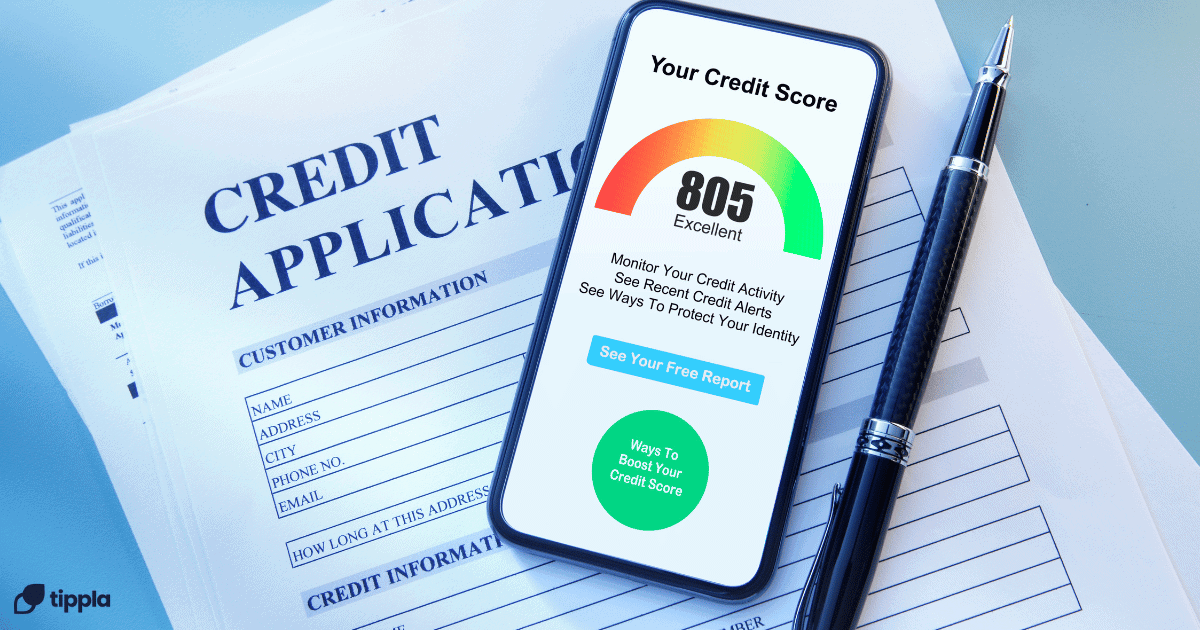
Did You Know 💡You can monitor your credit score for FREE through Tippla? Aside from this, our platform also gives you the opportunity to manage your finances seamlessly.

Pre-Qualification Offers

Take advantage of pre-qualification offers from lenders, which use soft enquiries. These offers give you an idea of what loans or credit cards you might qualify for without a hard enquiry impacting your credit score. Websites like Finder and Canstar allow you to compare pre-qualified offers from various financial institutions.

Resources for Soft Enquiries

Utilise resources that offer soft enquiry checks to make informed financial decisions. Tools like Tippla and My Credit File from Equifax let you access your credit score and history, helping you understand your creditworthiness.

Credit Monitoring Services

Credit monitoring services such as Experian and Equifax provide ongoing access to your credit information, helping you spot potential issues early. These services can alert you to any changes or new credit enquiries on your report, enabling you to address them promptly. Additionally, services like Tippla offer a similar function, providing notifications about updates to your credit report and helping you manage and protect your credit profile effectively.

Financial Institutions Offering Soft Enquiry Checks

Many financial institutions, including major banks like Commonwealth Bank and ANZ, offer soft enquiry checks for pre-qualification purposes. Using these checks, you can explore loan and credit card options without impacting your credit score.

Building and Maintaining Good Credit

Tips for Building a Strong Credit Profile

Timely Payment of Bills and Debts

One of the most crucial steps in building a strong credit profile is paying all your bills and debts on time. Whether it’s your electricity bill, phone plan, or credit card, timely payments demonstrate reliability to lenders. Setting up automatic payments ensures you never miss a due date.

Keeping Credit Utilisation Low

Credit utilisation refers to the percentage of your available credit that you are using. It’s advisable to keep this ratio below 30% to show that you manage your credit responsibly. For instance, if you have a credit limit of $10,000, try to keep your balance under $3,000.

Regularly Reviewing Your Credit Report

Regular checks on your credit report can help you stay informed about your financial standing and catch any discrepancies early. This practice also allows you to track your progress over time and understand how your financial behaviour affects your credit score.

How to Obtain a Free Credit Report in Australia

You can obtain a free credit report once a year from major credit reporting agencies like Equifax, Experian, and illion. You can request these reports online through their websites. Keeping an eye on your credit report can help you spot any inaccuracies or fraudulent activities.

Disputing Errors and Inaccuracies

If you find errors on your credit report, it’s essential to dispute them promptly. You can contact the credit reporting agency and the entity that provided the incorrect information. Provide any necessary documentation to support your claim and request a correction. Resolving these issues can improve your credit score and ensure your report accurately reflects your financial behaviour.

Seeking Professional Advice

If you’re facing financial difficulties, making significant financial decisions, or need help managing your money, it may be time to consult a financial advisor or credit counsellor. Situations like planning for retirement, buying a home, or dealing with debt are common reasons to seek professional advice.

Professional advisors and counsellors can provide tailored advice to help you achieve your financial goals, create budgets, manage debt, and make informed decisions. They offer an objective perspective, which can be invaluable when navigating complex financial situations.

Finding Reputable Advisors in Australia

It’s important to find a licensed and reputable advisor. The Australian Securities and Investments Commission (ASIC) maintains a register of licensed financial advisors. Check this register to ensure the advisor you choose is properly licensed and has a good track record.

Utilising Government and Non-Profit Resources

Government and non-profit organisations offer free or low-cost financial counselling services. Financial Counselling Australia (FCA) is a key resource, providing access to qualified professionals who can help you manage financial difficulties. Their services are confidential and non-judgmental.

Australian Securities and Investments Commission (ASIC)

ASIC is the regulatory body overseeing financial advisors in Australia. They provide valuable resources to help you understand your rights and responsibilities when receiving financial advice. Their website offers tools to verify the credentials of financial advisors and information on what to expect from professional advice.

Financial Counselling Australia

FCA is a national body representing financial counsellors. They offer resources to find qualified financial counsellors who can provide free, independent advice. Their website is a great starting point to understand your options and get the support you need.

Managing your finances effectively involves understanding when to seek professional advice, the benefits of doing so, and utilising reputable resources such as ASIC and Financial Counselling Australia. Professional advisors and counsellors offer tailored guidance to help you achieve financial stability and make informed decisions.

By leveraging these resources, you can ensure that your financial strategies are sound and tailored to your specific needs, ultimately leading to better financial health and security.

What are Personal Guarantees for Loans

Personal guarantees are a common financial tool used to secure business loans, where business owners or executives personally pledge to repay the loan if the business itself cannot meet its obligations. This commitment binds the guarantor’s personal assets, such as their home or savings, to the business’s debt, providing lenders with additional security.

Understanding personal guarantees is crucial for any business owner considering taking on debt, as it directly impacts their personal financial stability and creditworthiness. This guide aims to simplify the important details of personal guarantees, their role in securing loans, and the significant implications for both the borrower and lender.

Understanding Personal Guarantees

A personal guarantee is a legal commitment made by a business owner or executive to personally repay a business loan if the business fails to do so. This means that the guarantor’s personal assets, such as their home, car, or savings, can be used to satisfy the debt.

Furthermore, a personal guarantee is often required by lenders to provide an extra layer of security for business loans. It binds the guarantor’s personal assets to the debt, ensuring that the lender has a means of recouping the loan amount even if the business defaults. This agreement is usually formalised in writing and can be either secured or unsecured.

  • Secured Personal Guarantees: These involve the guarantor pledging specific assets as collateral. If the business defaults, the lender has the right to seize these assets to cover the loan.
  • Unsecured Personal Guarantees: These do not specify particular assets as collateral. Instead, the guarantor’s entire personal estate is at risk, giving the lender the right to pursue any of the guarantor’s assets to recover the debt.

Common scenarios where personal guarantees are used

Small business loans

Small business loans often require personal guarantees, especially for new or less established businesses. Lenders see this as a way to mitigate the risk associated with lending to small businesses, which may not have a substantial credit history or significant business assets.

Start-up financing

Start-up financing frequently involves personal guarantees due to the inherently high risk of new ventures. Entrepreneurs may need to use their personal creditworthiness to secure funding, as start-ups typically lack a proven track record and collateral.

Lines of credit

Personal guarantees are also common with lines of credit extended to businesses. This flexible financing option allows businesses to borrow up to a specified limit as needed, but the lender may require a personal guarantee to ensure repayment if the business encounters cash flow issues.

Types of Personal Guarantees

Unlimited Personal Guarantees

An unlimited personal guarantee is a comprehensive commitment where the guarantor is responsible for the entire loan amount, including the principal, interest, and any associated fees. In the Australian context, this type of guarantee means that if the business defaults, the lender can pursue the guarantor’s personal assets without limit until the debt is fully repaid.

The implications of an unlimited personal guarantee are significant. The guarantor’s entire personal estate, including their home, savings, and other assets, is at risk. This form of guarantee provides maximum security for the lender but can have severe financial consequences for the guarantor if the business fails.

Limited Personal Guarantees

A limited personal guarantee, on the other hand, restricts the guarantor’s liability to a specific amount or percentage of the loan. This type of guarantee sets a clear limit on the guarantor’s financial exposure, making it a less risky option compared to unlimited guarantees.

Limited personal guarantees are often negotiated based on the borrower’s creditworthiness and the business’s financial health. The conditions typically specify the maximum amount the guarantor must pay, protecting their personal assets beyond this limit. However, lenders might require multiple limited guarantees from several guarantors to cover the total loan amount.

Joint and Several Guarantees

Joint and several guarantees involve multiple guarantors who are collectively and individually responsible for the loan. In this arrangement, each guarantor can be pursued for the full loan amount, not just a portion. For example, if three guarantors sign a joint and several guarantees for a $300,000 loan, each could be held accountable for repaying the entire $300,000 if the others cannot pay.

The primary responsibility in a joint and several guarantees is shared, but any one guarantor could be required to cover the total debt. This type of guarantee provides robust security for lenders, as they can seek full repayment from any one of the guarantors. For the guarantors, it means that the risk is distributed, but their personal liability is not limited to their share of the guarantee.

The Process of Providing a Personal Guarantee

Steps Involved in Providing a Personal Guarantee

Loan Application Process

The process of providing a personal guarantee begins with the loan application. Business owners seeking financing will typically need to demonstrate their creditworthiness and the viability of their business plan. This includes providing detailed financial statements, business plans, and credit histories. Lenders assess the risk and decide whether to approve the loan and under what conditions, including the requirement for a personal guarantee.

Legal Documentation and Agreements

Once the loan application is approved, the borrower must sign a personal guarantee agreement. This legal document outlines the terms and conditions under which the guarantor agrees to be personally liable for the business’s debt. It is crucial to have legal counsel review this agreement to ensure that all terms are understood and fair. The documentation will specify the guarantor’s obligations, including the extent of their liability and any specific conditions tied to the guarantee.

Key Terms and Conditions to Understand

When providing a personal guarantee, it’s essential to understand key terms such as:

  • Scope of the Guarantee: This defines the extent of the guarantor’s liability. It can be unlimited, meaning the guarantor is responsible for the entire debt, or limited, where liability is capped at a specific amount or percentage.
  • Duration: The guarantee typically lasts for the duration of the loan but may include conditions for termination or release, such as the repayment of a certain portion of the loan or a set time period.
  • Conditions of Default: These outline what constitutes a default and the process for lender recourse, which can include immediate demand for repayment from the guarantor.

Scope of the Guarantee

The scope defines whether the guarantee is limited or unlimited. An unlimited guarantee means the guarantor is liable for all outstanding debts, including interest and fees, which can put their personal assets at significant risk. A limited guarantee caps the liability at a predetermined amount, offering some protection to the guarantor’s personal assets.

Duration and Termination Conditions

Personal guarantees are generally in effect for the life of the loan. However, some conditions can lead to the termination of the guarantee, such as:

  • Full repayment of the loan
  • Refinancing the loan without the personal guarantee requirement
  • Meeting specific performance criteria as outlined in the loan agreement

Risks and Benefits of Personal Guarantees

Risks for the Guarantor

Personal Liability for the Loan

When providing a personal guarantee in Australia, the guarantor assumes personal liability for the business loan. This means if the business defaults, the lender can pursue the guarantor’s personal assets, including savings, property, and other valuables, to recover the debt.

Potential Impact on Personal Credit

While signing a personal guarantee itself does not affect personal credit, any default by the business can severely impact the guarantor’s credit score. This can hinder the ability to obtain personal loans, mortgages, or other credit in the future.

Legal and Financial Consequences of Default

Defaulting on a loan with a personal guarantee can lead to legal actions, such as lawsuits, which can be financially draining and stressful. The guarantor might face bankruptcy if unable to meet the repayment obligations, leading to long-term financial instability.

Benefits for the Borrower

Increased Chances of Loan Approval

Personal guarantees can significantly increase the chances of loan approval. Lenders are more likely to approve loans to businesses when the guarantor provides additional security, as it reduces the lender’s risk.

Potential for Better Loan Terms

By offering a personal guarantee, borrowers might secure more favourable loan terms, such as lower interest rates or higher loan amounts. This is because the lender perceives a lower risk of default due to the additional security provided by the guarantor’s personal assets.

Alternatives to Personal Guarantees

Collateral

Using collateral is a common alternative to personal guarantees in Australia. Collateral can include property, equipment, or inventory that the lender can claim if the business defaults on the loan. This provides security to the lender while not putting the borrower’s personal assets directly at risk.

Co-signers

A co-signer, such as a business partner or a financially stable family member, can provide additional assurance to the lender. The co-signer agrees to take on the responsibility of repaying the loan if the primary borrower defaults. This reduces the lender’s risk and can often lead to more favourable loan terms.

Negotiating with Lenders for Alternative Arrangements

In some cases, negotiating with lenders can yield alternative arrangements that do not require personal guarantees. This might include adjusting the loan terms, increasing interest rates, or providing more detailed business plans and financial forecasts to convince the lender of the business’s viability without needing a personal guarantee.

Partial Guarantees

Partial guarantees are another alternative where the guarantor’s liability is limited to a specific portion of the loan amount. This can be negotiated with the lender and offers a middle ground, reducing the risk to the guarantor while still providing some level of security to the lender.

Legal and Financial Considerations

When signing a personal guarantee in Australia, you are legally committing to repay the debt if the business defaults. This can extend to all personal assets, including your home and savings, not just business assets.

It is also crucial to seek independent legal advice before signing a personal guarantee. A lawyer can help you understand the full scope of the agreement, including any clauses that may put you at significant risk.

Financial Impact and Planning

Assessing Personal Financial Stability

Before agreeing to a personal guarantee, assess your personal financial situation. Ensure you can cover the loan if the business fails. This includes reviewing your assets, liabilities, income, and expenses to ensure you can meet the obligations without jeopardising your financial security.

Strategies for Minimising Risk

  1. Limit the Guarantee Amount: Negotiate with the lender to cap your personal liability to a specific amount rather than the full loan value.
  2. Time-Limited Guarantees: Seek to have the guarantee apply for a limited period, reducing your long-term risk.
  3. Insurance: Consider insurance products that can cover loan repayments in case of business failure or personal incapacity.

Managing Personal Guarantees

Tips for Managing and Monitoring Personal Guarantees

Regular Financial Reviews

Conduct regular reviews of your personal and business finances to ensure you can meet the obligations of your personal guarantees. This includes tracking income, expenses, and any changes in your financial situation. Regular reviews help in identifying potential issues early and taking proactive measures to address them.

Keeping Communication Open with the Lender

Maintain open and honest communication with your lender. Inform them of any changes in your financial situation that may affect your ability to meet the guarantee. Lenders are often more willing to work with borrowers who communicate transparently and early.

Steps to Take in Case of Financial Difficulties

  1. Contact Your Lender: As soon as you foresee difficulties in meeting your obligations, contact your lender to discuss your situation.
  2. Seek Financial Counseling: Consider speaking to a financial advisor or counsellor who can help you navigate your options and develop a plan to manage your debts.
  3. Evaluate Your Assets: Assess your assets to determine what can be liquidated or leveraged to meet your obligations.

Negotiating with the Lender

If you are facing financial difficulties, negotiate with your lender for more favourable terms. This could include extending the loan term, reducing the interest rate, or temporarily pausing payments. Lenders may prefer negotiation over default as it maximises their chances of repayment.

Exploring Debt Relief Options

Explore various debt relief options available in Australia, such as debt consolidation, debt agreements, or bankruptcy, if necessary. Each option has its implications, so it’s crucial to understand them thoroughly and seek professional advice before proceeding.

Personal guarantees bind personal assets to business loan repayments if the business defaults, making it essential to consider this commitment carefully. Regular financial reviews and understanding the legal and financial implications are crucial to mitigating risks. Transparent communication with lenders, exploring alternatives, and considering debt relief options can help manage personal guarantees effectively.

Before agreeing to a personal guarantee, assess your personal financial stability and the potential impact on your assets. Seeking professional legal and financial advice is highly recommended to navigate these complexities and make informed decisions that protect both personal and business interests.

Understanding and Using Line of Credit Loans

In Australia, the financial landscape offers a variety of borrowing options, with line of credit loans standing out for their flexibility and utility. Unlike traditional loans, a line of credit allows borrowers to access funds up to a predetermined limit, making it an ideal solution for homeowners looking to leverage their property’s equity for renovations, investments, or emergency expenses. This type of loan acts as a revolving credit facility, where interest is only charged on the amount used, not the entire limit, providing significant financial control and adaptability.

Understanding the intricacies of these loans, from their application process to their strategic uses, can empower Australian borrowers to make informed financial decisions, optimising their economic potential.

What is a Line of Credit Loan?

A line of credit loan is a flexible loan arrangement provided by banks and financial institutions, allowing borrowers to access funds up to a pre-approved limit. Unlike traditional personal loans where you receive a lump sum upfront, a line of credit lets you draw money as you need it.

This setup is particularly useful for individuals and businesses facing fluctuating expenses or needing funds at irregular intervals. Commonly secured against assets like property, it is often used for purposes such as home renovations, business expenses, or as a financial safety net. Interest is only paid on the amount borrowed, not the entire credit limit, making it a cost-effective option for managing cash flow.

How Does a Line of Credit Work?

A line of credit in Australia operates as a revolving loan facility. Once approved, you can borrow funds up to a specified credit limit and repay them at your convenience. As you repay the borrowed amount, your available credit is replenished, allowing for repeated use.

For example, if you have a $50,000 line of credit and withdraw $10,000, you can still access the remaining $40,000. If you repay the $10,000, your available credit returns to $50,000. Interest is charged only on the withdrawn amount, not on the total credit limit. This makes it an ideal solution for covering variable expenses or taking advantage of investment opportunities without committing to a large, fixed-sum loan.

Types of Line of Credit Loans

There are several types of line of credit loans designed to meet different financial needs. Here are the main types:

Personal Lines of Credit

A personal line of credit is a flexible loan from a bank or financial institution that provides you with access to a specified amount of funds, which you can draw from as needed. This type of credit is often unsecured, meaning it doesn’t require collateral. It’s ideal for managing irregular expenses or emergencies since you only pay interest on the amount you borrow.

Home Equity Lines of Credit (HELOCs)

A HELOC, or home equity line of credit, leverages the equity in your home to secure the loan. This type of loan is popular for homeowners looking to finance home renovations, consolidate debt, or manage large expenses. The loan operates as a revolving credit facility, allowing you to borrow up to a certain limit, repay it, and borrow again. Interest rates on HELOCs are typically lower than those on personal lines of credit because they are secured by your property.

Business Lines of Credit

For businesses, a line of credit provides essential flexibility to manage cash flow, purchase inventory, or cover short-term expenses. These lines of credit can be secured or unsecured, with the secured ones often having lower interest rates due to collateral backing. Business lines of credit are crucial for maintaining operations during lean periods or taking advantage of new business opportunities without disrupting cash flow.

Benefits and Drawbacks

Advantages of Using a Line of Credit

  • Immediate Access to Funds: A line of credit provides immediate access to funds up to an approved limit, allowing you to cover unexpected expenses or seize investment opportunities without needing to go through a lengthy approval process each time.
  • Interest Only on Amount Used: Unlike traditional loans where you borrow a lump sum and pay interest on the entire amount, a line of credit charges interest only on the funds you actually use. This can result in significant savings, especially if you only need to borrow small amounts intermittently.
  • Flexibility in Repayment: Lines of credit offer flexible repayment options. You can choose to pay back the borrowed amount in full at any time or make minimum payments as required by the lender, making it easier to manage cash flow.
  • Utilising Home Equity: For homeowners, a home equity line of credit (HELOC) allows you to tap into your property’s equity. This can be particularly beneficial for funding home improvements or large expenses at potentially lower interest rates compared to unsecured loans.

Potential Drawbacks and Risks

  • Higher Interest Rates: Lines of credit often come with higher interest rates compared to traditional fixed-rate loans. This can make them more expensive, especially if you carry a balance for an extended period.
  • Temptation to Overspend: The ease of access to funds can lead to overspending, resulting in increased debt and financial strain. It’s important to use a line of credit responsibly and only borrow what you can afford to repay.
  • Variable Interest Rates: Many lines of credit have variable interest rates, which means your repayments can increase if interest rates rise. This can make budgeting and financial planning more challenging.
  • Secured by Property: In the case of HELOCs, your home is used as collateral. This means that if you default on the loan, you risk losing your property. This makes it crucial to ensure you can meet monthly repayment obligations.

Applying for a Line of Credit

Applying for a line of credit in Australia involves meeting specific eligibility requirements and following a structured application process.

Eligibility Requirements

  • Credit Score: Lenders in Australia typically require a minimum credit score. While the exact number can vary, a score above 600 is often considered acceptable.

Helpful tip 💡You can use Tippla to monitor your credit score, and also see personalised loan offers available for you.

  • Income Verification: Proof of stable income is crucial. This can include payslips, tax returns, and bank statements.
  • Employment History: A consistent employment history, usually with at least two years in your current role or industry, is preferred.
  • Existing Debts: Lenders will assess your current debt levels. Lowering existing debts improves your chances.
  • Equity in Assets: For lines of credit secured against assets, like a home, sufficient equity is necessary.

The Application Process

  1. Gather Documentation: Prepare your financial documents, including identification, income proof, and details of your assets and liabilities.
  2. Credit Check: The lender will perform a credit check to assess your creditworthiness.
  3. Submit Application: Complete the lender’s application form, either online or in-person, providing all required documentation.
  4. Lender Review: The lender will review your application, verify your documents, and conduct an appraisal if you’re securing the line of credit against the property.
  5. Approval and Limit Setting: If approved, the lender will set your credit limit based on your financial situation and creditworthiness.
  6. Account Setup: Once approved, you’ll receive your account details and can access your line of credit.

Managing a Line of Credit

Effectively managing a line of credit in Australia involves responsible usage, strategic repayment, and ongoing monitoring.

Responsible Use of a Line of Credit

  1. Set a Budget: Determine what you will use the line of credit for and set a budget. This helps prevent overspending and keeps your debt manageable.
  2. Emergency Use: Ideally, use your line of credit for unexpected expenses or emergencies, not for regular or impulse purchases.
  3. Monitor Spending: Keep track of your expenditures to ensure you stay within your budget and avoid exceeding your credit limit.

Repayment Strategies

  1. Pay More Than the Minimum: Whenever possible, pay more than the minimum repayment amount to reduce your debt faster and save on interest costs.
  2. Regular Payments: Make regular payments to stay on top of your debt and maintain a good credit score.
  3. Automate Payments: Set up automatic payments from your bank account to ensure you never miss a due date.

Monitoring and Maintaining Your Line of Credit

  • Regularly Review Statements: Check your monthly statements for any errors or unauthorised transactions. This also helps you stay aware of your outstanding balance and interest charges.
  • Credit Limit Adjustments: If your financial situation changes, consider requesting a credit limit adjustment. This could involve increasing it for added flexibility or decreasing it to help manage spending.
  • Stay Informed: Keep up to date with your lender’s loan terms and any changes in interest rates. This helps you understand how much your credit is costing you and plan accordingly.

Lines of credit offer a flexible borrowing option that allows individuals and businesses to access funds as needed up to a predetermined limit, making them suitable for managing variable expenses and cash flow. However, this flexibility comes with potential risks, such as higher variable interest rates and the temptation to overspend, necessitating responsible financial management. By understanding the advantages and disadvantages of lines of credit, borrowers can make informed decisions that balance immediate financial needs with long-term fiscal health.

Credit Enquiries and Rental Applications

Credit Enquiries and Rental Applications in Australia: What Tenants Should Know

Navigating the rental market in Australia can be daunting, especially with the increasing scrutiny of credit checks and application requirements.

In a competitive housing landscape, landlords and real estate agents often rely on credit reports from agencies like Equifax to assess a tenant’s financial reliability. Understanding the specifics of what these checks entail and how they impact your rental application can make a significant difference in securing a property.

This article delves into the nuances of credit enquiries in Australia, offering practical advice on how to present a strong application and improve your chances of being accepted in a tight rental market.

Understanding Credit Enquiries

What are credit enquiries?

Credit enquiries, also known as credit checks, occur when a financial institution or another authorised entity accesses your credit report to assess your creditworthiness. In Australia, these enquiries are typically carried out by credit reporting agencies such as Equifax, Experian, or Illion. There are two types of credit enquiries: hard enquiries, which are conducted when you apply for credit or a loan, and soft enquiries, which are checks made for purposes like background checks or pre-approved credit offers.

How do credit enquiries affect my credit score?

Hard credit enquiries can impact your credit score. Each hard enquiry is recorded on your credit report and can stay there for up to five years. Multiple hard enquiries within a short period can signal to lenders that you may be taking on more debt than you can handle, which can lower your credit score. Soft enquiries, on the other hand, do not affect your credit score. It’s important to be mindful of the number and frequency of your credit applications to maintain a healthy credit score.

How can I manage my credit enquiries?

To manage your credit enquiries effectively, you should:

  • Limit credit applications: Only apply for credit when necessary and avoid making multiple applications within a short time frame.
  • Monitor your credit report: Regularly check your credit report to ensure all enquiries are accurate and dispute any errors promptly.
  • Pre-qualify for credit: Use pre-qualification tools that perform soft enquiries to see if you are likely to be approved before making a formal application.
  • Be strategic with timing: If you need to make multiple credit applications, try to space them out to minimise the impact on your credit score.

Rental Applications in Australia

In Australia, the rental application process typically begins with inspecting the property, either in person or through virtual tours. Once you’ve found a suitable property, you need to fill out a rental application form provided by the real estate agent or landlord. This form requires detailed personal information, including your employment history, income and contact details, and references. Submitting a complete and accurate application promptly is crucial due to the competitive nature of the rental market.

Required Documents and Information

To bolster your application, you’ll need to provide several key documents:

  • Proof of Identity: Passport, driver’s licence, or other government-issued ID.
  • Proof of Income: Recent payslips, employment contracts, or bank statements to demonstrate your ability to pay rent.
  • Rental History: Previous rental agreements, rental references, personal references, and rent payment history.
  • Supporting Documents: A cover letter explaining why you are a suitable tenant, pet references (if applicable), including steps you’ve taken to manage pet behavior and credit check results can also strengthen your application.

Common Reasons for Rental Application Rejection

Rental applications in Australia can be rejected for several reasons:

  1. Insufficient Income: Landlords need assurance that you can comfortably afford the rent. Providing clear evidence of stable and sufficient income is crucial.
  2. Poor Credit History: A history of late payments or significant debt can raise red flags for landlords.
  3. Incomplete Application: Missing information or documents can lead to immediate rejection, so ensure your application is thorough and complete.
  4. Negative Tenancy Database Listing: If you have been listed on a tenancy database for past rental issues, it can significantly impact your chances of approval.
  5. Failure to Inspect: Not inspecting the property can be a reason for rejection as it shows a lack of commitment or interest.

The Role of Credit History in Rental Applications

Why Landlords Check Credit History

Landlords routinely check prospective tenants’ credit histories to assess their financial reliability and consistently predict their ability to pay rent. A credit check reveals an applicant’s past behaviour in managing credit, highlighting any missed payments, defaults, or significant debts. This helps landlords mitigate risks associated with potential tenants who might default on rental payments. For instance, an applicant with a history of late payments or substantial outstanding debts may be seen as a higher risk, leading to rejection of their rental application.

Improving Your Credit History for Better Rental Prospects

To improve your chances of securing a rental property in Australia, consider the following strategies to enhance your credit history:

  1. Pay Bills on Time: Ensure all your bills, including utilities, credit cards, and loans, are paid on time to build a positive payment history.
  2. Reduce Outstanding Debt: Aim to lower your debt levels by paying down credit card balances and loans. This reduces your credit utilisation ratio and improves your credit score.
  3. Regularly Check Your Credit Report: Making use of free credit monitoring websites like Tippla can help you regularly check your credit report. It will also be easier to see errors that may be hurting your score.
  4. Avoid Multiple Credit Applications: Multiple credit inquiries in a short period can lower your credit score. Be selective and strategic about applying for new credit.
  5. Provide Strong References: Supplement your rental application with positive references from previous landlords to offset any minor credit issues.

Improving your credit history takes time and consistent effort, but it significantly enhances your rental prospects and financial stability.

Legal and Privacy Considerations

Tenant Rights

Australian tenants are protected by various laws that ensure their right to privacy and fair treatment. Landlords must adhere to the Privacy Act 1988 (Cth), which regulates the handling of personal information. They must obtain written consent before conducting a credit check, ensuring that tenants are aware and have agreed to this search. Additionally, landlords cannot misuse or disclose personal information obtained through credit checks without the tenant’s explicit permission.

Privacy Considerations

Tenants have the right to know what information is being collected and how it will be used. If a tenant’s application is rejected based on information found in a credit check, the landlord must inform the tenant and provide details about the adverse information. This transparency allows tenants to address any discrepancies or improve their credit history for future applications. Furthermore, landlords must store personal information securely and only use it for the purpose for which it was collected.

Credit history plays a crucial role in the Australian rental application process, as it allows landlords to assess a tenant’s financial responsibility and reliability. A strong credit score not only increases the likelihood of rental approval but also can impact the terms of the lease, such as the amount of the security deposit.

Tenants should be proactive in maintaining and improving their credit scores by managing their finances diligently and paying rent on time. Additionally, understanding their rights regarding privacy and consent for credit checks ensures they are treated fairly throughout the application process.

The Impact of Student Loans on Long-term Financial Planning

Student loans, particularly through Australia’s Higher Education Loan Program (HELP), play a significant role in enabling students to pursue higher education without upfront financial burden. HELP assists with student contributions, making college education accessible. However, it’s crucial to recognise the lasting impact of these loans on long-term financial planning. In Australia, the HELP system offers interest-free loans, but the repayment is income-contingent, meaning monthly payments are based on income levels. Considering student loans in long-term financial planning is vital due to their implications on savings, investments, and overall financial well-being post-graduation.

This article delves into the effects of student loans on homeownership rates, net worth, asset accumulation, and the broader financial landscape, shedding light on the importance of prudent financial management amidst educational pursuits.

Overview of Student Loans in Australia

Australia’s Higher Education Loan Program (HELP) offers several loan schemes to assist students in financing their education:

  1. HECS-HELP: Available to students enrolled in Commonwealth-supported places (CSP), HECS-HELP loans cover the student contribution amounts for courses at approved higher education providers. The loan is repaid through the tax system once income exceeds the minimum repayment threshold.
  2. FEE-HELP: This loan helps eligible fee-paying students cover all or part of their tuition fees for higher education courses. It is available to students who are not in CSPs and who attend approved institutions.
  3. SA-HELP: This loan assists students in paying for student services and amenities fees, which can cover various non-academic services provided by universities.
  4. OS-HELP: This loan is available to students who want to undertake part of their study overseas. It helps with the cost of overseas study, including airfares, accommodation, and other travel expenses.

Statistics on Student Loan Debt in Australia

  • Average Loan Amount: The average HECS-HELP debt upon graduation is approximately AUD 20,000, though this can vary significantly depending on the course and institution.
  • Repayment Threshold: For the 2023-2024 financial year, the minimum repayment income threshold is AUD 51,550. Repayment rates start at 1% of income and increase progressively.
  • Demographics Most Affected: Younger graduates, particularly those under 30, and those in lower income brackets are the most affected by student debt. Women, due to career breaks and part-time work, often take longer to repay their loans.

Comparison with Other Common Forms of Debt

  • Mortgages: Mortgages generally have lower interest rates compared to student loans and are often considered ‘good debt’ due to the asset backing (real estate).
  • Personal Loans: Personal loans typically have higher interest rates and shorter repayment periods compared to student loans.
  • HELP Loans: HELP loans have a unique indexation rate tied to the Consumer Price Index (CPI), which can be lower than commercial interest rates. They also have income-contingent repayment plans, making them more manageable for graduates with lower or variable incomes.

Starting Point: Student Loans and Financial Health

Impact on Financial Health

Student loans significantly influence graduates’ financial health in Australia. Many graduates face substantial debt burdens, which can lead to delayed milestones such as buying a home or starting a family. The stress of managing debt contributes to poorer mental health and can affect overall well-being.

Conditions Under Which Student Loans Are Repaid in Australia

  1. Income-Contingent Repayments: HELP loans in Australia are repaid through the tax system, with repayments contingent on income. Graduates begin repaying their loans once their income exceeds the minimum repayment threshold, which is AUD 51,550 for the 2023-2024 financial year.
  2. Indexation: The outstanding debt is indexed annually in line with the Consumer Price Index (CPI), causing the debt to increase with inflation.

Common Financial Challenges for Recent Graduates Starting with Student Loan Debt

  1. Delayed Major Life Decisions: Graduates often delay significant decisions such as purchasing a home or getting married due to the financial burden of student loans.
  2. Debt Spiral: Many graduates feel trapped in a debt cycle, struggling to keep up with rising interest and inflation, which exacerbates the financial strain.
  3. Mental Health Impacts: The financial stress associated with repaying student loans is linked to poorer mental health outcomes, including anxiety and depression.

Long-term Financial Effects of Student Loans

Impact on Saving and Investment Opportunities

Student loans can delay long-term saving and investment goals for Australians. The burden of debt repayment may hinder the ability to save for a deposit, thus delaying home ownership. Additionally, individuals with significant student loan debt may allocate less towards retirement savings, impacting their financial security in later years.

Impact on Credit Ratings and Borrowing Capacity

Student loans can influence credit ratings and borrowing capacity. High levels of debt may increase credit utilisation ratios, negatively impacting credit scores. Additionally, existing student loan debt may affect the ability to borrow for other purposes such as buying a car or obtaining a mortgage. However, making timely monthly payments can demonstrate responsible financial behaviour, positively impacting creditworthiness.

Longitudinal Data on Financial Trajectories

Many Australian graduates are now carrying their student loan debt well into their 30s and beyond, with repayment times extending to 10 years or more. This trend is exacerbated by annual indexation tied to the Consumer Price Index, increasing the overall debt burden. Studies indicate that graduates with higher student debt are more likely to experience financial constraints, including limited access to credit markets and a higher likelihood of financial instability in the long term.

Student Loans and Major Life Decisions

Student loans significantly influence major life decisions among Australians. High debt burdens often deter individuals from getting married, starting a family, or purchasing a home. The financial strain of student loan repayments may delay these milestones, as individuals prioritise debt management over other life goals.

Individuals may also opt to delay marriage or postpone having children due to the financial pressures of student debt. Oth ify for mortgages, affecting their ability to achieve homeownership.

Moreover, large student debts often lead to stress and financial anxiety among borrowers. The burden of debt repayment weighs heavily on individuals, affecting their mental well-being and overall quality of life. Research shows a correlation between student loan debt and mental health issues such as depression and anxiety, highlighting the psychological toll of financial strain.

Strategies for Managing Student Loans Effectively

Financial Planning Tips for Managing Student Loans

  1. Budgeting: Establish a detailed budget that incorporates all income and expenses. Ensure you allocate a portion of your income towards student loan repayments. Tools such as budgeting apps and spreadsheets can aid in tracking your finances accurately.
  2. Prioritising Repayments: Pay attention to your HECS-HELP debt along with other high-interest obligations. Making extra repayments when possible can reduce your overall debt faster and minimise the interest accrued over time.
  3. Exploring Repayment Options: Understand the various repayment plans available, including income-contingent repayment options. Familiarise yourself with the thresholds for compulsory repayments and plan accordingly.

Integrating Student Loan Repayments into Broader Financial Goals

  1. Emergency Fund: While repaying your loans, simultaneously build an emergency fund to cover unexpected expenses. This ensures you won’t have to resort to high-interest debt in case of emergencies.
  2. Retirement Savings: Consider contributing to your superannuation fund even while repaying your student loans. Small, regular contributions can grow significantly over time due to compound interest.
  3. Homeownership Plans: If homeownership is a goal, factor your student loan repayments into your mortgage planning. Understand how your student debt might impact your borrowing capacity and work towards improving your credit score.

Correlation Between University Degrees and Average Annual Salary

Choosing to pursue higher education involves weighing the potential financial investment against future earning potential. In Australia, the correlation between university degrees and average annual salary varies significantly across fields of study. Understanding these differences can help students make informed decisions about taking out loans for their education.

  1. Earning Potential by Field of Study

    • STEM (Science, Technology, Engineering, Mathematics): Graduates in STEM fields generally command higher salaries due to demand and specialised skills. For instance, engineers and computer scientists often earn above-average salaries compared to other professions. Engineers can earn up to AUD 200,000 annually depending on experience and specialisation.
    • Healthcare Professions: Medical and healthcare professionals, such as doctors, nurses, and pharmacists, also tend to earn substantial incomes, reflecting the critical nature of their roles. General practitioners earn about AUD 80,000 to AUD 150,000 per year, while specialists can earn upwards of AUD 600,000 annually.
    • Humanities and Social Sciences: Salaries in fields like humanities, social sciences, and arts can vary widely. While some graduates find lucrative opportunities, others may face more competitive job markets with lower starting salaries. Social workers and educators may start with salaries of around AUD 50,000 to AUD 100,000 annually.
  2. Industry-Specific Variances

    • Corporate vs. Nonprofit Sector: The sector in which graduates choose to work can significantly impact their earning potential. Corporate roles often offer higher salaries compared to nonprofit or public sector positions, which may prioritise mission-driven work over financial compensation.
    • Location: Geographic location plays a crucial role in salary disparities. Major cities and urban centres typically offer higher salaries to offset higher living costs compared to regional or rural areas.
  3. Considerations for Loan Decisions

    • Return on Investment (ROI): When contemplating student loans, prospective students should assess the expected ROI of their chosen field of study. Fields with higher average salaries may justify higher initial borrowing if managed prudently post-graduation.
    • Career Prospects: Researching job market trends and demand for specific skills can provide insights into future employability and salary expectations, informing loan decisions.

Tools and Resources in Australia

  1. StudyAssist: Provides comprehensive information on managing student loans, repayment schedules, and financial planning resources.
  2. Moneysmart: Offers budgeting tools, financial advice, and calculators to help manage debts and plan for the future.
  3. Financial Counselling Services: Access free financial counselling through services such as the National Debt Helpline. These professionals can offer tailored advice on managing your student loan repayments in the context of your overall financial situation.

Student loans significantly impact long-term financial planning, with effects ranging from delayed home ownership and reduced retirement savings to heightened stress and anxiety. However, various strategies can mitigate these negative impacts, such as creating detailed budgets, prioritising repayments, exploring alternative repayment options like income-driven schemes, and integrating loan repayments into broader financial goals. Leveraging resources provided by the Australian government, such as financial education programs and counselling services, can also aid in effective management.

Ultimately, while student loans pose challenges, they underscore the importance of education and proactive financial planning. By adopting informed strategies and seeking support when needed, individuals can navigate student loan debt while working towards their financial goals, contributing to their long-term financial well-being and overall success in Australia.