
Credit Scores and Business Loans in Australia

Building Credit for Your Company

Disclaimer: This content does not constitute financial advice. The article below is for the readers’ information and education only. The writers at Tippla are not financial advisors and are therefore not authorised to offer financial advice. Tippla recommends our readers to always do their research and seek independent advice as needed.

In today’s competitive business world, securing the financial resources necessary for growth and stability can often be a challenge. Whether you’re launching a new business, expanding one, or simply looking to navigate economic fluctuations, access to capital through business loans is frequently essential.

However, in the world of business financing, understanding the nuances of credit is important. In Australia, just as in many other parts of the world, businesses have their own unique credit scores that play a crucial role in their ability to secure loans and financial support. These business credit scores differ significantly from personal credit scores and require a distinct approach to building and maintaining.

In this guide, we will delve into the vital role of business credit scores in obtaining loans in Australia, illuminating the key distinctions between business and personal credit and providing valuable insights into how companies can establish and enhance their creditworthiness to secure the financial backing they need.

Factors That Affect Business Credit Scores

A business’s credit score reflects its financial reliability and responsibility, with late payments adversely impacting it. Lenders and financial institutions rely on this score to decide whether to provide loans or other financial products to a business.

Here are some factors that affect a business credit score:

  1. Payment History: Just like personal credit scores, late payments, defaults, and bankruptcies can damage a business’s credit score. On-time payments demonstrate financial responsibility.
  2. Credit Utilisation: Lenders consider how much credit a business uses compared to what’s available. High credit utilization can negatively affect the score.
  3. Trade Experiences: The number of trade experiences a business has, including its repayment habits, plays a role in determining the credit score.
  4. Overall Debt: The amount of debt a business carries impacts its creditworthiness. High debt levels can lower the score.
  5. Credit Enquiries: Frequent credit inquiries or applications for credit can have a negative impact on a business’s credit score.
  6. Time in Operation: Longer-established businesses may be viewed more favourably by lenders compared to newer ones.
  7. Public Record Information: Any legal matters or actions taken against the business, such as court judgments, can influence the credit score.

How to Establish Business Credit

Register Your Business

Start by legally establishing your business entity. Register your company with the appropriate government authorities and obtain an Australian Business Number (ABN) or Australian Company Number (ACN), as these identifiers are essential for building credit. You can apply for one through the Australian Business Register (ABR).

Separate Business and Personal Finances

Maintain a clear separation between your personal and business finances. This means having a separate business bank account, using a distinct business address, and keeping separate financial records.

Obtain a Business Credit Profile

Initiate your business credit journey by opening accounts with suppliers, vendors, and service providers who report payment information to credit bureaus. This helps create a credit history for your business.

Apply for a Business Credit Card

Consider applying for a business credit card. Make sure the issuer reports your credit activity to Australian credit bureaus, as this can help build your business credit history over time.

Maintain Consistent Payments

Consistently pay your bills and invoices on time. Timely payments are a cornerstone of building a positive credit history.

Establish Trade References

Develop strong relationships with suppliers and creditors who can provide positive trade references about your business’s payment behaviour.

Nurture Long-Term Relationships

Building solid relationships with suppliers, lenders, and creditors over time can lead to more favourable credit terms and opportunities for growth.

Showcase Financial Stability

Demonstrate your business’s financial stability through transparent financial statements, positive cash flow, and responsible credit management practices.

Leverage Your Business Credit Profile

As your business credit profile improves, leverage it to negotiate better terms on loans, leases, and credit agreements. A strong credit profile can also boost your reputation among partners and investors.

Monitor Your Business Credit Report

Regularly review your business credit report from Australian credit reporting agencies. Ensure the information is accurate and up-to-date, and address any discrepancies promptly. There are also online platforms like Tippla that make things simpler. They help you keep an eye on your credit score and pick up on any credit checks or changes in your report that you didn’t say yes to. This can help you stay alert about anything unusual happening with your credit.

Understanding Personal Guarantees for Business Loans

When securing a business loan, personal guarantees are a common arrangement that entrepreneurs need to comprehend fully. These guarantees bind business owners to take personal responsibility for repaying the loan if their business is unable to meet its obligations.

Personal guarantees can lead to serious consequences for personal credit in the event of loan default. If the business fails to meet its loan obligations and defaults, the lender may enforce the personal guarantee, requiring the business owner to repay the loan with personal assets. This can include using personal savings, properties, or other valuable possessions to cover the outstanding debt.

Unfortunately, if the business owner is unable to cover the loan obligation through personal assets, this default can be recorded on their credit report. Such negative reporting can significantly impact their credit score, making it more difficult to access personal loans, mortgages, or credit cards in the future.

Weighing the pros and cons of personal guarantees

Personal guarantees come with both advantages and drawbacks. On the positive side, they can enhance the business’s credibility and increase the likelihood of loan approval, particularly for startups and businesses with limited credit history. Personal guarantees can also lead to more favourable loan terms, such as lower interest rates or higher borrowing limits.

However, the downsides are worth considering. The primary drawback is personal financial risk. If the business faces financial difficulties and defaults on the loan, the business owner’s assets are at stake. Additionally, the impact on personal credit in case of default can have long-term consequences that extend beyond the business realm.

Utilising Professional Guidance

When it comes to enhancing your business credit, seeking guidance from seasoned professionals can make a significant impact on your journey towards credit improvement. In Australia, financial advisors and credit experts are valuable resources that can offer strategic insights and tailored solutions to bolster your business credit profile.

Value of Financial Advisors and Credit Experts

Financial advisors and credit experts possess specialised knowledge in the intricate world of business credit. Their expertise can guide you through the complexities of credit management, helping you understand how different financial decisions affect your creditworthiness. These professionals can provide personalised advice on credit-building strategies, debt management, and optimising your credit utilisation ratio. With their guidance, you can make informed decisions that align with your business goals while safeguarding your credit health.

Identifying Professionals with Expertise in Business Credit

In Australia, you can find reputable financial advisors and credit experts who specialise in business credit matters. Look for professionals who hold relevant qualifications or credit industry certifications. Consider seeking recommendations from fellow business owners, industry associations, or reputable financial institutions.

Online platforms and directories, like the Financial Planning Association of Australia (FPA) and the Australian Financial Complaints Authority (AFCA), can help you locate professionals with expertise in business credit management.

Working with the right professionals entails a collaborative effort. Begin by outlining your business credit goals and challenges. Consultation sessions with financial advisors and credit experts can provide you with actionable strategies to enhance your credit profile. They can assist you in identifying areas for improvement, devising customised plans, and navigating through the intricacies of business credit in the Australian context.

Conclusion

For businesses, credit scores are crucial for obtaining loans and maintaining their financial stability. Strong company credit helps you acquire better loan conditions and demonstrates to lenders your dependability and responsibility.

So, business owners need to focus on building and taking care of their business credit. This means consistently following good credit habits, paying bills on time, and keeping an eye on credit reports. By doing this, they create a foundation for seizing growth opportunities, improving their reputation, and having more financial options.

A solid business credit profile doesn’t just help with short-term financing needs; it also brings long-term benefits like better negotiating power, stronger partnerships, and the potential for lasting growth and success in Australia’s ever-changing business landscape.

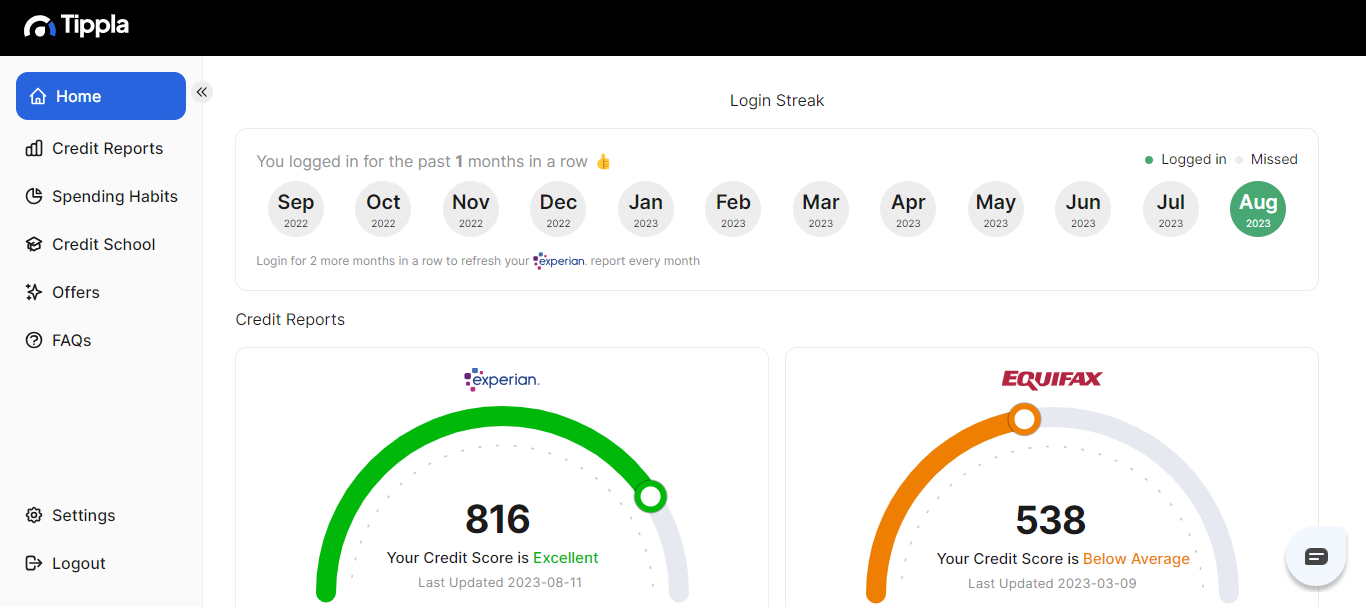
How to Know if You’re Eligible for a Loan? Find Out with Tippla

Tippla is a free online financial platform that enables users to monitor and track their credit scores conveniently through a single portal. Aside from credit checking and monitoring, Tippla also provides different loan options from a variety of legitimate lenders who specialise in personal loans, mortgage loans, and car loans.

Tippla’s technology compares credit scores from two of the three major credit reporting agencies in Australia (Equifax and Experian) to be able to come up with a personalised approach to assessing loan eligibility, allowing individuals to make informed financial decisions that align with their creditworthiness and financial goals.

Available Loans in Australia

In Australia, different financial institutions offer loans, including major banks, credit unions, and non-bank lenders. Different types of loans cater to different needs, and understanding their terms, interest rates, and repayment options can help you make an informed borrowing decision.

1. Personal Loans

Personal loans are a versatile financial tool that can be used for various personal expenses. They come in two main types: secured and unsecured loans, each offering distinct benefits and considerations.

  • Secured Personal Loans: Secured personal loans require collateral, such as an asset (e.g., a car or property), which the lender can claim if the borrower defaults on the loan. These loans generally have lower interest rates due to the reduced risk for the lender. They are suitable for borrowers with valuable assets to use as collateral.
  • Unsecured Personal Loans: Unsecured personal loans do not require collateral and are based on the borrower’s creditworthiness. As a result, they often have higher interest rates compared to secured loans. These loans are suitable for borrowers who don’t want to risk their assets as collateral.

Personal loans can cater to different borrowing needs with varying loan amounts, including:

  • Small Loans: These are typically lower-value loans designed to cover immediate expenses or emergencies.
  • Medium Loans: Medium-sized loans offer a bit more flexibility and can cover a broader range of expenses.
  • Large Loans: Large loans are suitable for significant purchases, like funding a wedding or home renovations.

2. Mortgage Loans

Mortgage loans are loans designed to help individuals purchase real estate, usually homes. They are a type of secured loan, where the property being purchased acts as collateral. Mortgage loans have specific terms and repayment periods, often spanning several years. These loans can be either variable or fixed-rate, allowing borrowers to choose the option that suits their financial goals.

3. Vehicle Loans

Vehicle loans, often known as car loans or auto loans, help individuals purchase vehicles such as cars, motorcycles, or boats. These loans can also be secured or unsecured, depending on the lender’s terms. Interest rates and repayment periods vary based on the loan type and the borrower’s creditworthiness.

What Are the Loan Eligibility Requirements in Australia?

Loan eligibility requirements in Australia can vary based on factors such as the type of loan an individual is applying for, their financial situation, credit history, and the lender’s specific criteria. Different types of loans may have distinct eligibility criteria. Here are some general factors that lenders commonly consider when assessing loan eligibility.

Basic Requirements

  • You must be at least 18 years old.
  • You must be an Australian citizen, have Australian permanent residency, or have an eligible visa.
  • You must be a resident of Australia.
  • You should meet minimum income requirements and have a regular source of income.
  • You need to have a good credit rating.
  • You should not be going through the process of bankruptcy.

For personal loans

When you’re getting a personal loan, it’s important to ask for an amount that matches what you earn and can afford. Lenders look at how well you can pay back the loan given your current money situation. Showing you’re good with money and handling it wisely can make you more likely to get approved. This means being smart about what you do with your money now, paying bills when you should, and not spending more than what you have.

For mortgage loans

When you want to apply for a home loan in Australia, there are certain things you need to qualify for. Your financial situation may be assessed based on the number of people applying for the mortgage, your relationship status, and whether you have dependent children. They will also want to know about the property you want to buy – things like how much it’s worth, where it is, what kind of place it is, how old it is, and how big it is. Some lenders have rules about the types of properties they’re okay with using as a guarantee.

For vehicle loans

When you’re applying for a vehicle loan in Australia, besides meeting the basic requirements, you might also need to share details about the specific vehicle you want to buy. This includes things like the brand, model, and year of the vehicle. The lenders want this info to check how much the vehicle is worth, what condition it’s in, and if it’s a good fit to use as security for the loan.

How Can Tippla Help?

Tippla offers personalised loan offers to make the process of applying for a loan easier and faster. These pre-approved loan offers are based on your current credit scores and financial situation.

Below is a step-by-step guide on how you can use Tippla’s personalised loan offers. But first thing’s first, make sure you have already signed up to Tippla to access this feature. Sign up now if you haven’t yet!

Step 1: Go to the Dashboard

Step 2: Check the Offers tab

Step 3: Choose Your Type of Loan

Small Loans

Tippla provides a list of lenders offering small loans or wage advance loans that range from $1 to $10,000. The loan terms will depend on your eligibility and assessment by the lender, but usually, they fall between 1 to 12 months.

For loans up to $2,000, there’s an establishment fee of 20% of the total loan amount, along with a 4% monthly fee. For loans ranging from $2,001 to $10,000, the interest rate typically falls between 18.92% to 28%, and the comparison rates range from 21.65% to 66.58%.

After clicking the ‘Small Loans’ button on your offers dashboard, you’ll be presented with a table that lists various available lenders offering a range of small loan options.

You two courses of actions to choose from:

Option 1: Apply for a small loan from the generic table where different lenders are listed out.

Choosing this option will redirect you to the lender’s website, where you’ll need to complete the application form. Please be aware that selecting this option does not guarantee approval from the lender. It’s important to note that eligibility requirements for the specific lender have not been checked, so approval is not guaranteed.”

Option 2: (Tippla’s recommended option) Use our pre-approval feature

Tippla’s technology uses the information you provide, along with your current credit score and spending habits (if your bank account is linked to Tippla), in order to generate a shortlist of lenders that align with their eligibility criteria. While this process doesn’t guarantee loan funding, it does enhance your approval prospects.

You’ll only need to provide a few details, such as the desired loan amount, loan purpose, and employment status. With this information, we can furnish you with a personalized list of lenders that match your criteria. Subsequently, you can proceed to apply directly with the lender of your choice.

Personal Loans

If you’re looking for Personal Loans, you have the option to borrow up to $50,000 through Tippla’s Good Credit Loans. To apply, simply share your employment information, including your job, monthly income, and how long you’ve been with your current employer. Do note that the final loan amount will depend on a number of eligibility criteria as well as on the lender you will be matched with.

Car Loans

With Tippla, you can quickly get personalised car loan quotes in minutes. Just fill out the form with the assistance of expert brokers. Start by selecting the type of vehicle you want and its model year. You can borrow funds for your car loan through Tippla, ranging up to $200,000 based on your lender’s assessment and your eligibility.

To inquire about personal loans and car loans, just fill out the form. Our expert team will get in touch with you within 15 minutes to discuss potential lender options.

Once you’ve found a suitable loan offer on Tippla, the next step is to submit your online application and wait for the lender’s review. If you receive approval, you’ll discuss and finalise specific loan terms like the amount, interest rate, repayment schedule, term, and any fees.

If you’re comfortable with the terms, you will need to sign the loan agreement. This agreement outlines everything, including your repayment responsibilities and fees. Once signed, the lender will deposit the approved amount directly into your bank account, giving you access to the funds for your needs.

Your responsibility begins as you start making regular repayments as agreed. This covers both the borrowed amount and the interest, and you can choose a repayment frequency that suits you. Keep in mind that while this process generally applies, details may vary based on the lender, loan type, and local rules.

Credit Enquiries and Credit Repair in Australia

Maintaining a healthy credit score has become more critical than ever before. Whether you’re seeking a mortgage, car loan, or credit card, your creditworthiness plays a pivotal role in determining your borrowing options and interest rates. In Australia, like many other countries, credit enquiries and their impact on credit scores are subjects of significant interest and concern for consumers.

This comprehensive article aims to shed light on two vital aspects of the credit system in Australia – credit enquiries and credit repair. We will explore the significance of credit enquiries, how they affect credit scores, and the different types of enquiries that may arise during financial transactions. Furthermore, we will delve into the intriguing world of credit repair, understanding its processes, legality, and effectiveness in improving creditworthiness.

Understanding Credit Enquiries and Their Impact

Credit enquiries play a significant role in the credit evaluation process and have a direct impact on individuals’ credit scores. When applying for credit, lenders look into a person’s credit reports to assess their creditworthiness and determine their risk level. Understanding the different types of credit enquiries, how they are recorded in credit reports, and their role in credit scoring models is crucial for maintaining a healthy credit profile.

Difference between Hard and Soft Credit Enquiries

The terms “hard enquiries” and “soft enquiries” hold significant importance for individuals seeking financial products or services in Australia. Both types of credit enquiries are recorded in credit reports, but they differ in their impact on credit scores and the reasons behind their initiation.

Hard Credit Enquiries

Hard credit enquiries are done when a lender or financial institution initiates a credit check in response to a credit application. These enquiries are made when an individual applies for credit, such as a loan or credit card. Hard enquiries are recorded on the credit report and can impact an individual’s credit score.

Hard credit enquiries typically remain on the credit report for up to five years. Multiple hard enquiries within a short period may raise concerns among lenders, as it can suggest an individual is seeking credit excessively, potentially signalling financial instability or a higher risk of default.

Soft Credit Enquiries

Soft credit enquiries, also known as “access enquiries,” do not arise from credit applications for new credit. They are typically made for informational purposes and do not impact an individual’s credit score. Some common examples of soft enquiries include credit checks by potential employers, insurance companies, or when individuals check their credit reports.

Soft credit enquiries are not visible to lenders and do not affect an individual’s credit score. They serve as background checks and do not carry the same weight as hard enquiries in credit evaluations.

How Credit Enquiries are Recorded in Credit Reports

Credit reporting agencies in Australia maintain credit reports that contain details of an individual’s credit history, including credit enquiries. Each credit enquiry entry typically includes:

  • The name of the credit provider or organisation that enquired.
  • The date the enquiry was made.
  • The type of credit being applied for (e.g., mortgage, credit card, personal loan).
  • Whether the enquiry was hard or soft.

Credit enquiries are recorded as part of an individual’s credit history, and lenders can access this information when considering new credit applications.

The Role of Credit Enquiries in Credit Scoring Models

Credit scoring models used in Australia, such as the Equifax Score or Experian Credit Score, consider credit enquiries as one of the factors when calculating an individual’s credit score. The impact of credit enquiries on credit scores is generally modest but can vary depending on an individual’s overall credit history.

Credit scoring models consider rate shopping for certain types of credit, such as mortgages or car loans, within a specific timeframe. This practice aims to prevent individuals from being penalised excessively for shopping around for the best credit terms.

When you are rate shopping for a specific type of credit, multiple hard enquiries made within a short period (often referred to as the “shopping period”) are often treated as a single enquiry by credit scoring models. As a result, the impact on your credit score from rate shopping is minimised, and you are not penalised as severely as you would be if each hard enquiry was counted individually.

The Importance of Monitoring Credit Enquiries

Monitoring credit enquiries is a crucial aspect of responsible credit management in Australia. Being vigilant about the credit enquiries recorded in your credit report can help you safeguard your financial well-being and protect against potential identity theft and fraud. Here are some key reasons why monitoring credit enquiries is essential for individuals in Australia:

  • Easily Detect Unexplained Enquiries2

Regularly reviewing your credit report is essential as it enables you to easily detect unexplained credit enquiries, which may signify unauthorized attempts to apply for credit using your personal information. By promptly identifying these unfamiliar enquiries, you can take immediate action to safeguard your identity and prevent any unauthorized access to credit in your name.

Furthermore, monitoring credit enquiries serves as a valuable early warning sign for potential identity theft or fraud. If you observe a sudden surge in credit enquiries from lenders or institutions you haven’t applied to, it could be a red flag indicating someone else is trying to use your identity for fraudulent purposes. By recognizing these warning signs early on, you can report fraudulent activity and mitigate potential damage to your credit profile effectively.

  • Immediate Dispute of Erroneous Enquiries to Protect Credit Score

Credit reporting errors can occur, leading to inaccurate credit enquiries being recorded on your credit report. These errors could be due to data entry mistakes or confusion with someone else’s credit information. By monitoring your credit enquiries, you can quickly spot any inaccuracies and initiate a dispute process to have the erroneous enquiries removed from your credit report. This can protect your credit score from any negative impact caused by inaccurate information.

  • Understand Creditworthiness and Loan Eligibility

Regularly monitoring your credit enquiries provides insight into how often you have been applying for credit and when. This information can be useful in understanding your creditworthiness and gauging how lenders might perceive your credit risk. It can also help you assess your loan eligibility, as excessive credit applications within a short period may be viewed unfavourably by lenders.

  • Improve Financial Decision-making

By keeping track of your credit enquiries, you gain better control over your financial decisions. If you are planning to apply for significant credit, such as a mortgage or car loan, monitoring your enquiries can help you time your applications strategically. Spacing out credit applications can minimise the potential negative impact on your credit score and increase your chances of loan approval.

  • Take Proactive Steps to Improve Credit Health

Monitoring credit enquiries can motivate you to take proactive steps to improve your credit health. By regularly reviewing your credit report and being aware of the impact of credit enquiries, you may become more conscious of managing credit responsibly. This includes making timely payments, keeping credit utilisation low, and avoiding unnecessary credit applications.

Credit Repair: Addressing Inaccurate or Unauthorised Enquiries

Discovering errors or unauthorised credit enquiries on your credit report can be concerning, but taking immediate action is essential to rectify these issues. As an Australian consumer, you have rights under the Privacy Act 1988 and the Australian Privacy Principles to dispute inaccurate or unauthorised information with credit reporting agencies. Here is a step-by-step guide on how to dispute erroneous or unauthorised credit enquiries:

  • Obtain a Copy of Your Credit Report

Request a free copy of your credit report from one or more of the main credit reporting agencies in Australia, such as Equifax, Experian, or Illion. You are entitled to one free credit report every 12 months.

  • Review Your Credit Report

Thoroughly review your credit report to identify any inaccurate or unauthorised credit enquiries. Pay close attention to the dates, names of credit providers, and the type of credit applied for.

  • Gather Evidence

Collect any supporting documents that prove the inaccuracies or unauthorised nature of the credit enquiries. This may include letters or emails from credit providers stating that you did not apply for credit with them or any other relevant correspondence.

  • Contact the Credit Reporting Agency

Contact the credit reporting agency responsible for the credit report that contains errors or unauthorised enquiries. You can dispute the inaccurate information online, by mail, or through their customer service. Provide clear details about the incorrect credit enquiries and include the evidence you gathered.

  • Credit Reporting Agency Investigation

Once the credit reporting agency receives your dispute, they are required to investigate the matter within 30 days, as per the Australian Privacy Principles.

  • Credit Reporting Agency Response

The credit reporting agency will respond to your dispute in writing. If the investigation confirms the errors or unauthorised nature of the enquiries, they will update your credit report accordingly. The credit reporting agency will also notify other credit reporting agencies about the corrections.

  • Contact the Credit Provider (if necessary)

If the credit reporting agency’s response does not resolve the issue, or if you believe the errors are the result of a credit provider’s mistake, you can directly contact the credit provider. They must investigate and correct any inaccuracies within a reasonable timeframe.

  • Escalate the Dispute (if needed)

If the credit provider or credit reporting body does not respond to your complaint or if you are not satisfied with their response, you can lodge a complaint with a recognised External Dispute Resolution (EDR) scheme. Credit providers accessing the credit reporting system must be members of an EDR scheme recognised by the OAIC (Office of the Australian Information Commissioner). Credit reporting bodies must also be members of a recognized EDR scheme. Examples of recognized EDR schemes include the Australian Financial Complaints Authority (AFCA) and the Telecommunications Industry Ombudsman (TIO).

  • Monitor Your Credit Report

Keep a close eye on your credit report regularly to ensure that the inaccuracies have been rectified and that no unauthorised enquiries are present.

Removing inaccuracies from credit reports is a crucial step in credit repair for Australians. You can protect your credit score and maintain an accurate credit profile by promptly disputing errors or unauthorised credit enquiries. Remember to stay proactive in managing your credit information and exercise your rights under the Privacy Act to ensure the integrity of your credit report.

Strategies for Responsible Credit Enquiry Management

Responsible credit enquiry management is essential for maintaining a healthy credit profile in Australia. Implementing these strategies can help individuals make informed credit decisions, protect their credit scores, and improve their overall financial well-being.

  • Be Selective and Time Credit Applications: To maintain a healthy credit profile, be selective when applying for credit and only when necessary. Avoid multiple applications within a short period, as this can raise concerns about higher credit risk and lower credit scores. Assess your credit needs and apply strategically, especially for significant credit like mortgages or car loans, by spacing out applications. Understanding the timing and spacing of credit applications can help mitigate negative effects on your credit profile, as some credit scoring models group related inquiries within a specific period. Adopting a thoughtful approach to credit applications protects your creditworthiness and ensures better approval chances when needed.
  • Use Pre-approved Offers: Utilise pre-approved credit offers to assess your eligibility for credit products without impacting your credit scores. Pre-approved offers are based on a preliminary assessment of your creditworthiness and can provide insights into available credit options without generating a hard enquiry. Tippla’s personalised offers, for instance, can help you find suitable credit products tailored to your financial situation without affecting your credit score.
  • Monitor Your Credit Report Regularly: Regularly monitor your credit report to stay aware of the credit enquiries recorded in your history. Reviewing your report allows you to identify any unauthorised or inaccurate credit enquiries promptly. If discrepancies are found, take immediate action by disputing them with the credit reporting agencies to have the errors rectified.
  • Seek Advice: If you have concerns or challenges with managing your credit, consider seeking professional advice or credit counselling. A financial advisor or credit counsellor can provide personalised guidance on credit management, debt repayment strategies, and ways to improve your credit score. They can also assist in creating a budget and financial plan to help you achieve your financial goals.
  • Maintain Good Credit Habits: Responsible credit enquiry management is just one aspect of maintaining a healthy credit profile. Practising good credit habits, such as making timely bill payments, keeping credit card balances low, and not maxing out credit limits, can positively impact your credit score over time.

Rebuilding Credit after Credit Enquiry Issues

Experiencing credit enquiry issues can hurt your credit score, but it is possible to rebuild your credit over time. By implementing these strategies and staying committed to responsible credit management, you can work towards improving your credit score and achieving a healthier financial standing.

  • Patience and Persistence: Rebuilding credit takes time, so it’s essential to be patient and persistent in your efforts. Negative credit enquiry impacts will gradually lessen as time passes, especially if you demonstrate responsible credit behaviour moving forward.
  • Establish Responsible Credit Habits: Building a positive credit history is crucial in credit repair. Focus on establishing responsible credit habits such as making on-time payments, keeping credit card balances low, and avoiding excessive credit applications. Demonstrating these responsible behaviours over time will help to rebuild your creditworthiness.
  • On-Time Payments and Reducing Debt: Consistently making on-time payments is one of the most significant factors in credit scoring models. Pay all your bills, including credit card balances and loan instalments, on or before their due dates. Additionally, work on reducing outstanding debts to lower your credit utilisation ratio, which can positively impact your credit score.
  • Diversify Credit Types: Having a mix of credit types can be beneficial for your credit score. While you shouldn’t apply for credit unnecessarily, having a combination of revolving credit (e.g., credit cards) and instalment credit (e.g., personal loans) can demonstrate your ability to manage different credit responsibilities.
  • Monitor Progress: Regularly monitor your credit score and credit report to track your progress. Keep an eye on how your credit score improves over time as you practice responsible credit habits. Monitoring your credit report also allows you to spot any errors or inaccuracies and address them promptly.
  • Celebrate Incremental Improvements: Improving your credit score is a journey, and celebrating incremental improvements can help you stay motivated. Each positive change in your credit score is a step in the right direction, so recognise and acknowledge your efforts as you work towards rebuilding your credit.
  • Seek Professional Advice: If credit enquiry issues have severely impacted your credit, consider seeking advice from a credit counsellor or financial advisor. They can provide personalised guidance and create a tailored plan to improve your creditworthiness.
  • Avoid Credit Repair Scams: Be cautious of companies claiming to offer instant credit repair or promising to remove accurate negative information from your credit report. These “credit repair” scams are often misleading and can further harm your credit. Stick to legitimate, responsible credit-building practices.

Conclusion

Understanding credit enquiries is crucial for maintaining a healthy credit profile in Australia. They significantly impact credit scores and lenders’ decisions. To rebuild credit, individuals should be selective in credit applications, use pre-approved offers, and be vigilant in monitoring credit reports. Making timely payments, reducing debt, and diversifying credit types are also some of the most essential steps. Monitoring progress and seeking professional advice can help improve creditworthiness. Responsible credit enquiry management is a powerful tool for building a strong financial foundation, empowering individuals to make informed decisions and secure a brighter future.

Responsible credit enquiry management is a powerful tool for building a strong financial foundation, empowering individuals to make informed credit decisions and secure a brighter financial future in Australia. Individuals can achieve financial well-being and navigate the credit landscape with confidence by staying informed, proactive, and committed to responsible credit practices.

How Credit Scores Can Influence Employment Outcomes

In today’s competitive job market, employers are increasingly relying on a variety of factors to assess potential candidates. Aside from the traditional evaluation of skills, experience, and qualifications, one aspect has started to play a significant role in the hiring process – credit scores. A person’s credit score, which traditionally served as a metric for lenders to gauge an individual’s creditworthiness, is now being used by employers to influence employment outcomes.

In this article, we will go into the emerging trend of employers considering credit scores during the hiring process and examines how it can impact job seekers’ chances of landing their desired positions. While some argue that credit scores can provide valuable insights into a candidate’s reliability and financial responsibility, others raise concerns about the potential for discrimination and its relevance to job performance.

The Connection Between Credit Scores and Employment

Employers in Australia, like in many other countries, have increasingly been incorporating credit checks into their hiring processes. While the practice of checking an applicant’s credit score remains a subject of debate and scrutiny, employers argue that incorporating background checks or credit checks into their hiring process can offer valuable insights into a candidate’s financial responsibility and overall character. However, it’s important for employers to obtain informed consent from job applicants before conducting these checks and to protect the applicant’s personal information in compliance with Australian privacy laws and anti-discrimination legislation.2

Here are some reasons why employers check an applicant’s credit score:

  • Assessing Financial Responsibility

A person’s financial history can provide indications of their level of responsibility and trustworthiness. A good credit score is perceived as an indicator of how well an individual manages their finances, pays bills, and handles debts. Employers may view this as a reflection of how the candidate might handle their professional responsibilities, financial tasks, or sensitive company information.

  • Positions with Financial Responsibilities2

In certain industries or roles where employees handle finances, budgets, or sensitive financial data, employers may emphasise credit checks more. For instance, positions in finance, accounting, or roles that involve managing company expenses and budgets might place greater importance on credit scores.

  • Security and Integrity Concerns

Some employers may argue that credit checks help identify candidates who might be vulnerable to financial pressures or susceptible to fraudulent activities. In roles where employees have access to company funds or confidential financial information, a strong credit history could be seen as an added layer of security.

  • Company Policy and Risk Mitigation

For some companies, conducting credit checks might be part of their standard hiring procedure, driven by company policy or risk management strategies. This approach could be seen as a preventative measure to reduce the chances of hiring someone with potential financial troubles.

Critics argue that it may lead to potential discrimination, as financial hardships or poor credit scores can be the result of various factors, including medical expenses, unemployment, or divorce. Therefore, relying on credit scores alone could disadvantage otherwise qualified candidates who have faced unfortunate financial circumstances beyond their control.

Moreover, studies have indicated that there might not be a significant correlation between an individual’s credit score and job performance, leading some experts to question the validity of using credit checks for employment decisions.

As the use of credit scores in hiring decisions remains a complex and evolving issue, some jurisdictions in Australia have taken steps to regulate or restrict the practice. For instance, in 2020, the Office of the Australian Information Commissioner (OAIC) implemented a series of reforms to enhance the privacy of credit reporting and restrict the use of credit information in certain employment situations. Both employers and job seekers must stay informed about the evolving legal landscape surrounding credit checks in employment.

Employment Credit Check: What You Need to Know

During an employment credit check in Australia, employers typically request permission from the job applicant to access their credit report. The process involves the following steps:

  • Consent: Before conducting a credit check, employers are required to obtain the candidate’s explicit consent. This consent can be in the form of a signed authorisation or an electronic agreement.
  • Credit Reporting Agency: The employer will then contact a credit reporting agency, which is responsible for compiling and maintaining an individual’s credit history.
  • Retrieval of Credit Report: The credit reporting agency will provide the employer with the applicant’s credit report, which contains a summary of their credit history and financial behaviour.

The credit report obtained by the employer will contain various financial information, including:

  • Credit Score: The credit score is a numerical representation of the applicant’s creditworthiness, based on their credit history and financial activities. A higher credit score generally indicates better financial management.
  • Payment History: The report will show the applicant’s repayment history on loans, credit cards, and other debts. It includes details of any missed or late payments.
  • Outstanding Debts: Employers may see information about the applicant’s outstanding debts and their total debt load.
  • Public Records: If the applicant has any bankruptcies, court judgments, or insolvency agreements, this information will be visible on the credit report.
  • Credit Enquiries: The report will list any recent credit enquiries made by the applicant, which indicates when they have applied for credit.

The act of an employer requesting an employment credit check itself does not directly impact the candidate’s credit score. It is considered a “soft enquiry” or “soft pull.” Soft enquiries do not affect credit scores because they are typically used for non-lending purposes, such as background checks or pre-approval verifications. Individuals can have multiple soft enquiries without any negative consequences for their credit scores.

Mitigating the Impact of Credit Scores on Employment

When an applicant’s credit scores are low, but an employment credit check is necessary for the role they are trying to apply for, there are several strategies they can employ to mitigate the potential negative impact:

  • Emphasise Strong Qualification

Focus on highlighting your relevant skills, experience, and qualifications that make you the ideal candidate for the job. Demonstrating your expertise and competency in the field can help shift the employer’s attention away from your credit history.

  • Communicate Credit Challenges Openly

If the job application requires consent for a credit check, consider addressing your credit challenges directly with the employer, if appropriate. Being open and honest about past financial difficulties can demonstrate your willingness to take responsibility for your actions and may provide context for any negative entries on your credit report.

  • Highlight Past Achievements and Positive References

Provide references from previous employers or colleagues who can vouch for your work ethic, reliability, and trustworthiness. Positive professional references can carry significant weight and help counterbalance concerns arising from your credit score.

  • Showcase Financial Responsibility Through Other Means

Offer evidence of your financial responsibility through alternative means. For example, you can present documentation of on-time rent payments, regular savings contributions, or a record of successful budget management. These indicators can showcase your ability to handle financial commitments effectively.

  • Pursue Relevant Certifications and Education

Enrol in relevant professional certifications or courses to demonstrate your commitment to continuous learning and professional development. A strong educational background can bolster your application and provide evidence of your dedication to enhancing your skill set.

  • Offer an Explanation for Credit Issues

If there were circumstances that led to a temporary dip in your credit score, such as a medical emergency or sudden unemployment, provide a brief explanation to add context to your financial history. Employers may appreciate your transparency and understanding of the situation.

  • Prepare for an Interview

Be prepared to discuss your credit history if the employer brings it up during the interview process. Frame the conversation in a way that emphasises the steps you are taking to improve your financial standing and how your credit history does not define your professional capabilities.

Protecting Your Rights

Regulation of Credit Checks in Australia

In Australia, the use of credit checks in the employment process is regulated by the Privacy Act 1988, which includes the Australian Privacy Principles (APPs) that govern the handling of personal information, including credit-related data.

Applicants have the right to decline credit score checks in certain situations, and these key instances include obtaining explicit consent from the applicant before conducting a credit check. The employer cannot proceed with the credit check without the applicant’s consent. Additionally, credit checks should only be performed for roles where an individual’s financial responsibility is directly relevant to the job requirements. If the position doesn’t involve financial responsibilities or access to sensitive financial data, the applicant is well within their right to decline the credit check request.

To further safeguard applicants’ rights, the Australian Human Rights Commission (AHRC) advises employers against using credit checks in a discriminatory manner. If an applicant believes that the credit check requirement is being misused to discriminate against certain groups, they have the grounds to decline the credit check and raise a complaint.

Concerns about privacy and personal information are crucial, and applicants have the right to protect their sensitive financial data during a credit check. Applicants can communicate their concerns and look into alternative methods for the company to assess their suitability for the work without using credit checks if they are concerned about the security of their information.

Protection of Applicant’s Privacy Rights

The Privacy Act and APPs play a significant role in ensuring the protection of an applicant’s privacy rights. The Act emphasises purpose limitation, stating that credit checks should only be done for legitimate reasons directly related to the job requirements. Employers must also take reasonable steps to ensure the confidentiality and security of the personal information obtained during the credit check. Applicants have the right to access their credit information and request corrections if they find any inaccuracies. Moreover, employers should not retain credit information for longer than necessary for the intended purposes.

Both the Australian Human Rights Commission (AHRC) and the Fair Work Ombudsman (FWO) play crucial roles in enforcing fair hiring practices and preventing discrimination based on credit history,

Conclusion

Both employers and applicants need to be aware of their rights and responsibilities concerning credit checks during the hiring process. Applicants should feel empowered to ask questions about the necessity of credit checks for a specific role and seek guidance if they believe their rights are being violated. Transparency and fairness are essential for a smooth and just employment process.