Understanding and Managing Overdraft Protection

What is Overdraft Protection?

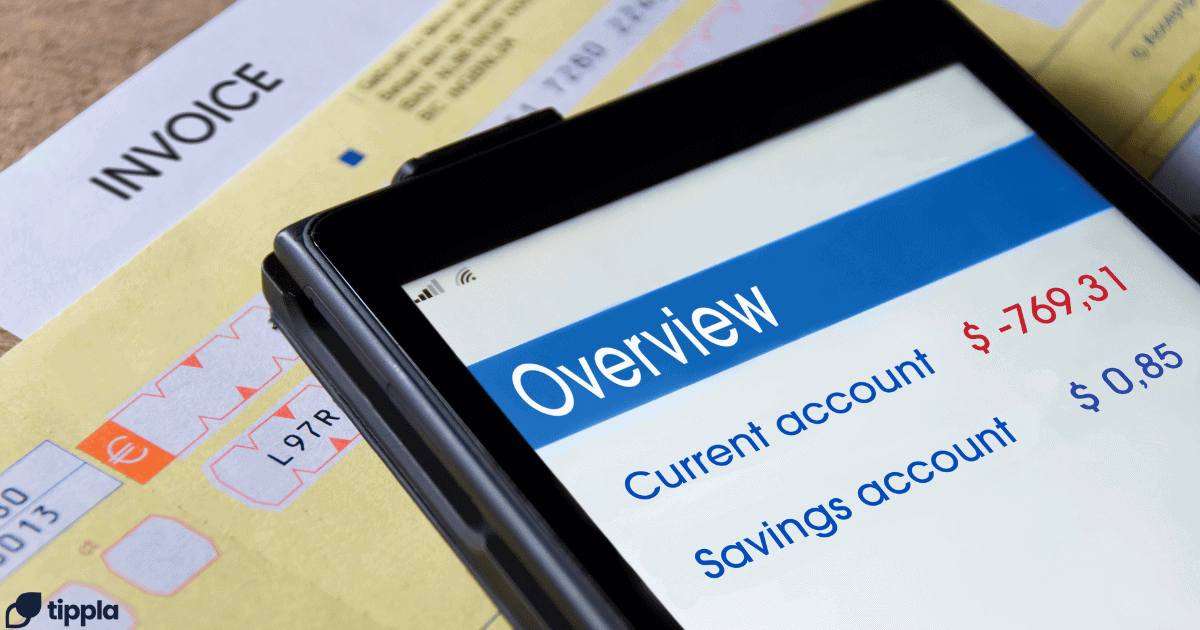
In banking, an overdraft occurs when you try to spend more money than you have in your checking account. This can happen due to a mistaken assumption about your balance, forgotten automatic debits, or simply spending more than you planned.

Overdraft protection is a service offered by many Australian banks that acts as a safety net in such situations. It allows your bank to cover the shortfall and approve the transaction, preventing a rejected transaction or a nasty bounced cheque fee.

Here are the most common types of overdraft protection in Australia:

Linked account

One common option is the linked account overdraft protection. This involves connecting your transaction account to either a savings account or a credit card. If your transaction account balance falls below zero, triggering an overdraft, funds are automatically transferred from the linked account to cover the shortfall. This arrangement offers a seamless solution to prevent overdraft fees and penalties, as the transfer occurs automatically. However, it’s essential to ensure that the linked account has sufficient funds to cover potential overdrafts to avoid further financial complications.

Overdraft line of credit

Another option is an overdraft line of credit, which functions as a pre-approved loan amount attached to your transaction account. This credit line acts as a buffer, allowing you to access funds up to the approved credit limit if your account enters overdraft status. However, it’s crucial to note that interest applies to any borrowed amount, so it’s important to use this facility judiciously. While an overdraft line of credit offers flexibility and instant access to funds without the need for separate applications, borrowers should exercise responsible financial management to avoid accumulating unnecessary interest charges.

Standard overdraft

Some banks also offer a standard overdraft service, which allows account holders to exceed their account balance up to a predetermined limit. While this provides a safety net for covering short-term financial shortfalls, users should be mindful of associated fees for using this service, such as overdraft fees or daily charges for maintaining an overdraft balance. Moreover, eligibility criteria may apply, and banks may impose stricter conditions compared to other overdraft protection options.

Benefits of Overdraft Protection

Overdraft protection can be a handy safety net for your Australian bank account, offering several advantages:

  • Avoidance of Fees: Overdraft protection in Australia helps avoid declined transactions and associated fees for insufficient funds. This prevents embarrassing situations at checkout and shields you from penalties.
  • No Harm to Credit Score: By preventing declined transactions, overdraft protection safeguards your credit score from negative marks.
  • Emergency Coverage (if funds are available): Overdraft protection offers a safety net during emergencies by covering essential transactions when your account balance is low. However, it’s important to remember that this depends on the availability of funds in the linked account.
  • Financial Flexibility: Overdraft protection provides peace of mind by allowing you to manage your finances effectively, focusing on essential expenses without worrying about declined payments.

Examples of Overdraft Protection Fees in Australia

  • Bank Overdraft Fee: This is a common fee charged for exceeding your checking account balance. The fee can vary depending on the financial institution, but typically ranges from $15 to $30 per occurrence.
  • Monthly Overdraft Fee: Some banks charge a monthly fee for using an overdraft facility, regardless of whether you go into overdraft or not. This fee can be around $5 per month.
  • Interest on Overdrawn Amount: Banks charge interest on the amount you overdraw. The interest rate can be higher than the standard interest rate for savings accounts.

Costs and Fees Associated with Overdraft Protection

Overdraft protection can be a lifesaver, but it’s important to be aware of the costs involved before you rely on it. Here’s a breakdown of the fees you might encounter in Australia:

  • Overdraft fees: This is the big one. Every time you go into overdraft, you’ll likely be charged a fee per transaction, which can range from $30 to $35. While some banks are moving towards fee-free bank accounts, overdraft protection is often excluded from these perks.
  • Interest: If you stay in overdraft, you’ll typically be charged interest on the amount you owe. Interest rates on overdrafts can be much higher than standard loan rates.

It’s important to remember that overdraft fees and charges can vary significantly between banks. Before choosing an overdraft option, compare fees from different institutions to find the most competitive rates. Understanding how fees are calculated can also help you avoid nasty surprises. Generally, overdraft fees are charged per transaction, so multiple declined transactions in a single day can quickly add up.

Legal and Regulatory Framework in Australia

Overdraft protection in Australia is governed by the Australian Securities and Investments Commission (ASIC) guidelines. These guidelines outline the responsibilities of banks and financial institutions in providing overdraft services and ensuring transparency, fairness, and consumer protection.

Moreover, under Australian law, consumers are protected by the Australian Consumer Law (ACL), which safeguards against unfair business practices. The ACL ensures that consumers have the right to accurate information, fair treatment, and recourse in case of disputes related to overdraft services.

Recent changes in Australia focus on protecting vulnerable consumers, particularly regarding overdraft fees. The Banking Code of Practice was updated in 2019 to prohibit fees for unintentional overdrafts (informal overdrafts) on basic bank accounts held by eligible customers. This provides relief from unexpected charges for low-balance overdrafts on certain account types. It’s important to note that this is just one recent change, and the overall regulatory framework is set by ASIC guidelines.

Managing Overdraft Protection

To effectively manage and minimise overdraft usage, consider the following strategies:

  • Opt out of Overdraft Coverage: Request to opt out of overdraft coverage to prevent transactions that would lead to overdrafts from being approved. This ensures that you only spend what you have in your account.
  • Regularly Monitor Account Balances: Keep track of your account balances regularly to avoid spending more than you have available. This can be done through online banking portals, mobile banking apps, or ATM inquiries.
  • Set Up Balance Alerts: Utilise balance alerts provided by banks to receive notifications when your account balance falls below a certain threshold. This can help you stay aware of your financial situation and take timely action to prevent overdrafts.
  • Utilise Mobile Banking Features: Take advantage of mobile banking features such as mobile check deposits, fund transfers, and bill payments to manage your finances conveniently and promptly. Mobile banking apps often offer real-time account updates, making it easier to monitor your spending and account balances.
  • Budgeting and Financial Planning: Develop a budget and stick to it to avoid overspending. Allocate funds for essential expenses, savings, and discretionary spending. Review your budget regularly and make adjustments as needed to ensure you’re living within your means.

Implementing these strategies and utilising available tools and services can help you manage overdrafts effectively and maintain control over your finances.

Alternatives to Overdraft Protection

When faced with short-term liquidity needs, individuals have several financial tools at their disposal to address these challenges:

  • Credit Cards: Credit cards provide immediate access to funds, allowing individuals to make purchases or withdraw cash up to a predetermined credit limit. They offer flexibility in managing expenses but often come with high interest rates and fees if balances are not paid in full each month. However, they can be a convenient option for covering unexpected expenses or managing cash flow gaps. They also add a layer of security by offering the ability to dispute unauthorized charges. This means if you find a fraudulent charge on your statement, you can contest it with your bank and potentially avoid paying for it.
  • Personal Loans: Personal loans offer a lump sum of money with fixed repayment terms, typically ranging from a few months to several years. They provide predictability in payments, making it easier for borrowers to budget and plan their finances. However, obtaining a personal loan may require a credit check, and interest rates tend to be higher compared to some other borrowing options. Despite this, personal loans can be a suitable solution for individuals needing a larger sum of money for specific purposes, such as home repairs or medical expenses.
  • Salary Advances: Some employers offer salary advances, allowing employees to access a portion of their upcoming paychecks before the scheduled payday. This can be beneficial for individuals facing immediate financial needs, such as emergency expenses or bill payments. However, salary advances may not be available to all employees and could potentially impact future paychecks, as the advanced amount is deducted from subsequent salaries.

When selecting the most suitable option, individuals should carefully assess their financial situation, including creditworthiness, urgency of the need, and repayment ability. It’s crucial to weigh the costs and benefits of each alternative to make an informed decision.

How to Opt-In or Opt-Out of Overdraft Protection

To manage your overdraft protection preferences with Australian banks, follow these steps:

  • Contact Your Bank: Get in touch with your bank’s customer service team or visit a branch to understand their overdraft protection policies.
  • Request Enrollment or Cancellation: Let the bank know whether you want to opt in or opt out of overdraft protection for your account.
  • Provide Necessary Information: You might need to share personal details and account information to complete the process smoothly.
  • Review Terms and Conditions: Take the time to carefully review and comprehend the terms and conditions associated with overdraft protection before finalising your decision.

Before making your choice, consider the following factors:

  • Financial Habits: Evaluate your spending and saving patterns to determine if overdraft protection suits your financial objectives. Opting in might be beneficial if you frequently overdraft your account to prevent declined transactions and fees.
  • Typical Account Balance: Assess your average account balance to gauge the necessity of overdraft protection. If you maintain a healthy balance, opting out could spare you from unnecessary fees.

Without overdraft protection, be aware of the following implications:

  • Risk of Declined Transactions: Transactions exceeding your available balance may be declined, potentially causing inconvenience or embarrassment.
  • Potential Direct Debit Dishonours: Without overdraft protection, direct debits may be dishonoured if there are insufficient funds in the account. This can lead to missed payments, late fees, and inconvenience.
  • Affecting Credit Score: The absence of overdraft protection can also impact your credit score negatively. Missed payments and bounced checks resulting from insufficient funds may be reported to credit bureaus, potentially lowering your credit score.

It’s crucial to weigh the pros and cons of overdraft protection based on your specific financial situation and preferences. By making an informed decision, you can effectively manage your finances and avoid potential pitfalls.

Managing overdraft protection effectively in the Australian context entails understanding its implications and benefits. Individuals must assess their personal banking needs, considering factors such as spending habits and typical account balances, to make informed decisions about opting in or out of overdraft services. Furthermore, reading and comprehending the terms and conditions of overdraft protection offered by Australian banks is essential to avoid unexpected fees.

By taking proactive steps to evaluate financial circumstances and staying informed about banking services, individuals can better navigate their finances and make sound financial decisions tailored to their needs and goals.

The Economics of Buying vs. Renting a Home

Australia’s housing market has long been a topic of discussion, reflecting the country’s economic landscape and societal preferences. With fluctuating property prices and evolving rental dynamics, the decision between buying and renting a home holds significant weight for individuals and families across the nation.

This choice is not only a financial decision but also a lifestyle one, influencing long-term stability and investment strategies. Understanding the complexities of this decision requires a nuanced exploration of various factors, including market trends, financial considerations, lifestyle preferences, and regulatory frameworks. Figuring out whether to buy or rent in Australia isn’t a simple decision. You have to weigh the pros and cons carefully to make the best choice for your wallet and your lifestyle.

Current State of the Housing Market in Australia

The Australian housing market continues to display notable trends across major cities and rural areas. According to recent data, major cities such as Sydney, Melbourne, and Brisbane have experienced significant increases in median property prices. For instance, Sydney has seen a price increase of 25.4%, Melbourne 11.0%, and Brisbane 55.2%.

Appreciation rates, reflecting the growth in property values over time, remain robust in many regions. This appreciation is a key factor contributing to the overall increase in housing prices across the country.

Alongside rising property prices, rental costs have also surged in various urban centres. The combination of high demand and limited supply has led to increased rental prices, affecting affordability for tenants. In this environment, understanding rental appraisals can offer helpful context for those navigating the rental market.

Economic factors such as interest rates and inflation play a significant role in shaping the housing market. For instance, changes in interest rates directly influence borrowing costs, affecting both demand for housing and mortgage affordability. Similarly, inflationary pressures can impact property prices and rental yields, influencing investor behaviour and market sentiment.

Financial Implications of Buying a Home

Buying a home in Australia involves significant financial considerations, both upfront and ongoing. Here’s a breakdown of the key costs:

Initial Costs

    • Deposit: A down payment on the property, typically 20% of the purchase price. A smaller deposit may require lenders’ mortgage insurance (LMI).
    • Stamp duty: A state or territory tax levied on property purchases, calculated based on the purchase price.
    • Closing costs: Fees associated with finalising the loan and property transfer, typically 3-6% of the loan value. These may include:
      • Lender fees (application, valuation)
      • Mortgage registration fees
      • Conveyancing (legal fees for property transfer)
    • Building and pest inspections: Not mandatory but highly recommended to identify any structural issues or pest problems.

Ongoing Costs

  • Mortgage repayments: Regular payments towards the loan principal and interest.
  • Rates and taxes: Council rates and property taxes levied by local authorities.
  • Maintenance: Costs associated with property upkeep and repairs.
  • Home insurance: Protects your property against damage or loss.

Long-Term Financial Impact

  • Equity building: As you repay the mortgage, you gain an ownership stake (equity) in the property.
  • Capital gains: Property values may increase over time, potentially generating a profit upon resale.
  • Tax advantages: Owning a home may offer some tax benefits, consult a tax professional for details.

Financial Implications of Renting a Home

Renting offers lower upfront costs and greater flexibility compared to buying a home. Here’s a breakdown of the financial considerations:

Initial Costs

  • Bond: A security deposit typically equivalent to four or six weeks’ rent, refundable at the end of the tenancy if the property condition is satisfactory as per the lease agreement.
  • Rent advance: Sometimes landlords request one month’s rent payment upfront.

Ongoing Costs

  • Monthly rent: The recurring payment for occupying the property.
  • Utilities: Costs for essential services like electricity, water and gas.
  • Renters insurance (optional): Protects your belongings against damage or loss.

Flexibility and Financial Risk

  • Lower financial risk: Compared to buying, renting requires a smaller upfront investment (bond and potentially some rent in advance). There’s also no risk of property value fluctuations.
  • Greater flexibility: Leases are typically for a fixed term (often 6 or 12 months), providing the option to move locations if needed without the complexities of selling a property.

Non-Financial Factors

Choosing between renting and buying a home involves lifestyle and personal circumstance considerations beyond just finances. Here’s a breakdown of some non-financial factors:

Lifestyle Considerations

  • Stability vs. Flexibility: Owning a home provides stability and the ability to put down roots in a community. However, renting offers flexibility to move for work or lifestyle changes.
  • Personalisation of living space: Homeowners can renovate and modify their property to suit their tastes. Renters typically have limitations on modifications.

Mobility

Owning a home can tie you to a location, especially if the property market is slow. Renters may find it easier to relocate for work opportunities or study.

Maintenance Responsibilities

Homeowners are responsible for repairs and maintenance of the property. Renters typically only worry about minor issues and generally have a landlord responsible for major repairs.

Government Policies and Incentives

The Australian Government offers several programs to assist first-home buyers. These programs can help reduce upfront costs and make homeownership more achievable. Here are some of the key programs:

  • First Home Guarantee (FHBG): Allows eligible first-home buyers to purchase a property with a deposit as low as 5% of the purchase price. The government guarantees the loan for the remaining amount, reducing the need for lenders’ mortgage insurance (LMI).
  • First Home Owner Grant (FHOG): A one-off grant offered by individual states and territories to help with the purchase of a first home. Grant amounts vary by state/territory.

Tax Considerations

  • For home buyers: Some exemptions may apply to capital gains tax when selling a principal place of residence. Speak with a registered tax professional for details on your specific situation.
  • For renters: Rent payments are generally not tax deductible.

Recent Policy Changes

  • Help to Buy: The government is planning to introduce a new shared equity scheme called Help to Buy to further assist eligible buyers. Details and exact start date are yet to be finalised as of April 2024.

The decision between buying and renting a home in Australia involves careful consideration of various factors, including financial implications, lifestyle preferences, and government policies. The Australian housing market reflects regional disparities and national dynamics, with fluctuating property prices and rental costs influenced by economic factors like interest rates and inflation. While buying a home offers long-term financial benefits such as equity building and potential capital gains, it also entails significant upfront and ongoing costs.

On the other hand, renting provides flexibility and lower initial expenses but may limit financial gains and customisation options. Ultimately, individuals should weigh these factors against their circumstances and long-term goals. Consulting with a financial advisor can help navigate the complexities of this decision and make an informed choice tailored to individual needs and aspirations.

Do Investments affect your credit score?

Whether in property, the stock market, cryptocurrency, or a high-interest bank account, it is always good to try to grow one’s wealth through investments.

However, while some people are put off from doing so by the potential risks involved, especially in the stock market or cryptocurrency, others have a different concern: how will investments affect their credit score?

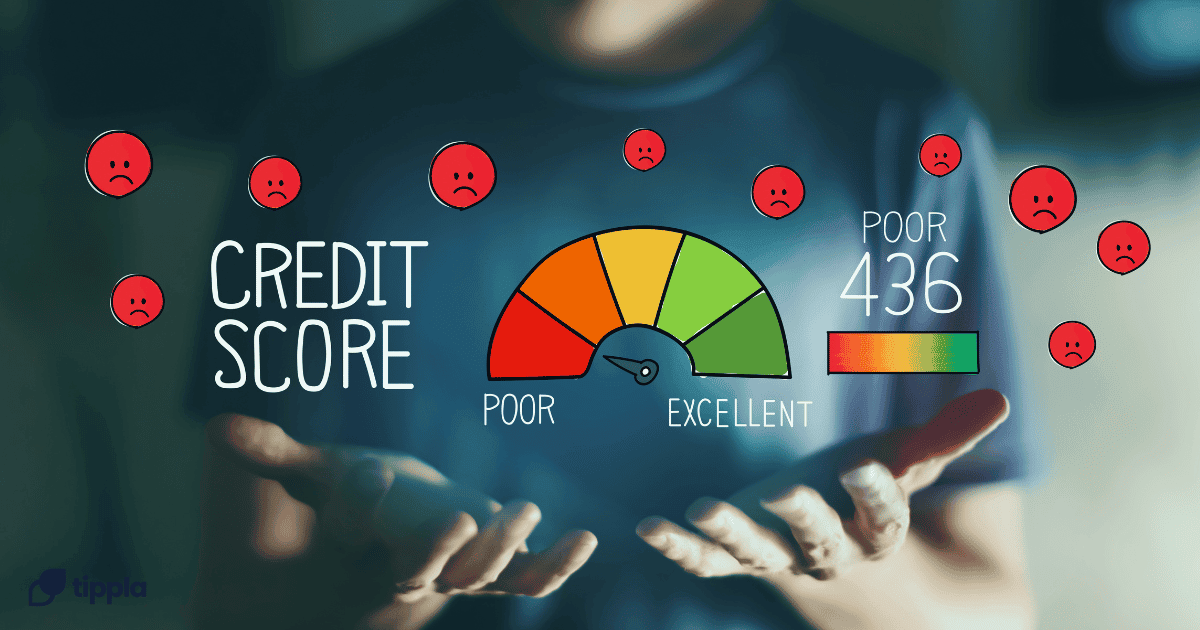
As your credit score influences what kind of debt or loans you can take on and the amount of money you can potentially borrow, it is a pertinent question to ask. Not least, because a low rating might have a detrimental impact on your ability to take out a mortgage, get an overdraft or even finance a car loan.

So, to educate you on the facts, we’ve put together this handy guide. Hopefully, it will put your mind at ease.

What items do not influence your credit score?

While they might impact your finances, you should be aware that not every single thing you buy or all your personal circumstances will affect your credit score.

For instance, any purchase you make with a debit or credit card will not count against you because credit bureaus do not cross-check purchases made with them. Therefore, you don’t need to worry about what you choose to spend your money on.

Likewise, having a student loan, debt consolidation loan, or being denied a credit card will not concern them, and getting married or divorced will not improve or reduce your rating.

Additionally, investing in equities through a professional brokerage firm is perfectly fine. So, if you want to purchase something like HALO Technologies ASX stocks, you can do so safely in the knowledge there won’t be any consequences. But if you’re looking to make an investment on the ASX without a stock broker, Share Sales Direct can help you through the process.


What factors most affect your credit score?

Now that you know what does not affect your credit score, let’s look at what does.

Some of the factors that can negatively affect you include:

1. Credit card debt

Having an active credit card balance does not automatically affect your credit score, but not paying the minimum repayments on time does.

Your credit card company sets a minimum payment requirement every month, which, if you don’t honour it, can result in financial penalties that can result in even more debt and worsen your credit score.

By contrast, if you are able to always pay what you owe on time, and particularly if you are applying to pay off an additional amount, you might find it will actually improve your credit score.

2. Refinancing your Mortgage

While refinancing your mortgage can save you thousands of dollars in the long run, it could negatively affect your credit score in the short term.

When assessing your application, a mortgage lender will run a credit check, which is subsequently noted on your credit report – but only for 12 months.

Your mortgage rates will likely change when refinancing, so you should use a mortgage calculator to assess the impact of these modifications.

3. Credit utilisation rate

Another important factor that affects your credit score is your credit utilisation rate. Essentially, this relates to what percentage of credit you are borrowing against what is available to you.

The easy way to calculate your rating is to total the current balances and combined limits of all your credit cards.

You then divide the total balance by the overall credit limit before multiplying by 100 to determine your score as a percentage.

For instance, if the current balance of all your credit cards, when added up, is $8300 and the limit is $10000, your calculation would be as follows:

$8300 ÷ $10000 x 100 = 83%

Generally speaking, the higher your percentage, the more negative effect it will have on your credit score.

4. Investing in the stock market

Previously, we said that investing in the stock market through a professional brokerage account won’t negatively impact your credit score.

However, if you are using available credit to do this, then it could potentially affect your score because of the volatile nature of this particular type of investment.

What will most ruin your credit score?

Ultimately, your payment history will have the most telling impact on your credit reports. Subsequently, if you regularly make late or part payments, it could count against you because you are facilitating an increase in debt. 

Even making just one late payment can have a disparaging impact on your credit score, depending on how it is calculated. So, it is important to always try and pay the full amount you owe on time.

How to improve credit score

Improving your credit score is always beneficial, but before you do this, you must determine its current level.

You have a legal right to get a copy of your credit score quarterly for free, and you can access this information from the credit reporting agencies Experian, Equifax, and illion. If you want daily access to your credit score, you can also sign up to Tippla for free

To improve your score, you should make a conscious effort to pay your bills on time, cancel your credit card (when fully paid off), consolidate your debts and reduce them as much as you can.

Additionally, you should use online budgeting tools such as Beem, WeMoney, Buddy, and Frollo to better manage your money.

The Pros and Cons of Reward Checking Accounts

Reward checking accounts are different from traditional checking accounts. While regular checking accounts serve basic functions like bill payments and fund transfers, reward checking accounts enhance the experience by providing additional perks. These perks may include cash back on debit card purchases, interest on account balances, or reimbursement of out-of-network ATM fees. Unlike standard checking accounts, which typically offer little to no interest and don’t reimburse ATM fees, rewards checking accounts cater to consumers who frequently use their debit cards.

However, it’s essential to consider any associated fees, as some rewards checking accounts may charge a monthly fee, impacting the overall benefits.

Pros of Reward Checking Accounts

  • Higher Interest Rates

    • Reward checking accounts often provide competitive interest rates compared to standard checking accounts.
    • You can earn more on your deposited funds, making it an attractive option for savers.
  • Cashback and Rewards

    • These accounts offer cashback rewards on debit card purchases or other qualifying transactions.
    • Some accounts also offer points that can be redeemed for various perks.
  • No Monthly Fees

    • Reward checking accounts typically come with waived monthly fees under specific conditions.
    • This can lead to cost savings compared to regular checking accounts that may charge monthly maintenance fees.
  • ATM Fee Reimbursements

    • Many reward checking accounts provide ATM fee reimbursements.
    • The bank covers the fees for domestic and some international ATMs. It’s essential to verify the specific policies with your bank, as there may be limitations or charges associated with international ATM withdrawals.
    • Be aware of any limitations on the number of reimbursements or specific conditions.
  • Additional Perks and Benefits

    • Some reward accounts offer exclusive services or access to special products.
    • Look out for sign-up bonuses, lower loan rates, or other unique features.
    • These perks can add value beyond the basic banking services.

Cons of Reward Checking Accounts

  • Higher Balance Requirements

    • To qualify for rewards, many banks or credit unions set minimum balance requirements. This means you need to maintain a certain balance in your account, which might be higher than what’s needed for a regular checking account.
  • Activity Requirements

    • Some rewards checking accounts mandate a specific number of transactions or certain types of transactions (e.g., using your debit card a certain number of times per month). Meeting these requirements can be challenging, especially if your spending habits don’t align with the account rules.
  • Limited Availability

    • Not all banks offer rewards checking accounts. Availability can be restricted based on geographic location or the specific financial institution.
  • Complexity and Restrictions

    • Rewards checking accounts often come with detailed rules governing eligibility for rewards and how payouts work. The terms can be intricate, leading to potential confusion or misunderstandings.
  • Potential for Overspending

    • The desire to earn rewards can incentivise overspending. You might make unnecessary debit card purchases just to meet activity requirements.
  • Risk of Financial Mismanagement

    • Balancing the requirements of a rewards checking account can be tricky. Mismanagement could lead to monthly service fees or missed rewards.

Comparison with Other Types of Accounts

Advantages

  1. Convenient for daily transactions and bill payments.
  2. Accessible through ATMs and online banking for easy money management.

Disadvantages

  1. Minimal to no interest earnings on deposited funds, leading to lower growth potential.
  2. May incur transaction fees or account maintenance charges, reducing overall account value.

Savings Accounts

Advantages

  1. Provides security for deposited funds while offering modest interest rates.
  2. Encourages savings habits through interest accumulation.

Disadvantages

  1. Typically lower interest rates compared to investment options, limiting wealth accumulation.
  2. Withdrawal restrictions and penalties for exceeding transaction limits may hinder liquidity.

High-Yield Accounts

Advantages

  1. Offers significantly higher interest rates compared to traditional savings accounts.
  2. Provides an opportunity for increased wealth growth through enhanced interest earnings.

Disadvantages

  1. Access to higher interest rates may require higher initial deposit amounts or minimum balance requirements.
  2. Potential for variable interest rates, subjecting funds to market fluctuations.

While reward checking accounts offer the advantage of immediate access to funds and potential rewards on transactions, they may have lower interest rates and transaction requirements compared to traditional checking accounts, savings accounts, and HYSA. It’s essential to consider individual banking needs and usage patterns when choosing the most suitable account type.

Risk Considerations

  • Credit Risk: Rewards checking accounts can expose individuals to credit risk if they fail to meet account requirements, such as maintaining a minimum balance or completing a certain number of transactions. Failure to meet these requirements could lead to account closure or the loss of rewards. Additionally, if the bank incurs losses due to customers’ inability to meet requirements, it may affect the bank’s stability and, in turn, impact customers’ trust and access to banking services.
  • Liquidity Risk: Failing to meet account requirements in rewards checking accounts can also pose liquidity risks for individuals. For example, if customers rely on rewards for their monthly budgeting and these rewards are revoked due to non-compliance with account rules, it may lead to cash flow problems and difficulties in managing expenses.
  • Operational Risk: Non-compliance with account requirements in rewards checking accounts can result in operational risks for both customers and banks. Customers may face inconvenience or penalties, while banks may need to invest resources in managing account closures or customer complaints. This can impact the overall efficiency of banking operations and customer satisfaction.
  • Market Risk: While rewards checking accounts are less directly influenced by market forces, individuals may face market risks if their financial decisions are based on anticipated rewards or account benefits. Changes in account terms or rewards structures by banks can impact individuals’ budgeting strategies and financial planning, potentially leading to unexpected financial outcomes.

Impact on Personal Finance Management

  • Income Stability: Failing to meet account requirements can lead to limited financial options during retirement or even loss of income. Account holders may face increased debt and high interest rates, affecting their quality of life and causing stress.
  • Debt Management: You need to manage debt effectively. Inadequate risk management could result in negative cash flows, compromising financial goals and overall well-being.
  • Mitigating Risks: While risks cannot be eliminated, understanding them and implementing strategies can reduce their impact. Individuals should explore risk management tools and seek professional advice to safeguard their financial health.

Making the Decision

  • Account Type and Features

    • Cash Back or Interest: Most reward checking accounts offer either cash back on debit card purchases or interest on your average balance. Decide which benefit aligns better with your financial goals.
    • ATM Reimbursements: Some accounts provide unlimited domestic ATM fee reimbursements, which can be advantageous if you frequently use ATMs.
    • Additional Services: Assess whether the account includes any other perks, such as discounts on services or debit card rewards for specific activities.
  • Account Fees

    • Monthly Maintenance Fee: Check if the account has a monthly fee. Some accounts waive this fee if you meet certain monthly requirements (e.g., maintaining a minimum account balance or setting up direct deposit).
    • Transaction Fees: Be aware of any fees associated with transactions, including ATM withdrawals and transfers.
  • Interest Rates

    • If earning interest is a priority, compare the annual percentage yields (APYs) offered by different accounts. Look for competitive rates that align with your financial objectives.
  • Customer Service

    • Consider the quality of customer service provided by the bank or credit union. Efficient customer support can enhance your overall banking experience.
  • Banking Habits and Preferences
    • In-Person vs. Online Banking: Determine whether you prefer in-person banking or are comfortable with online services. Some accounts are exclusively online, while others offer both options.
    • Digital Perks: If you value digital features (such as higher APYs), explore online checking accounts.

When considering reward checking accounts, it’s important to recognise both their benefits and drawbacks. On the positive side, these accounts offer opportunities to earn cash-back rewards or interest without charging an annual fee, unlike some credit cards.

However, it’s crucial to be aware of certain limitations. Some accounts impose caps on the amount of cashback you can earn, while others may have competitive annual percentage yields (APYs). As you evaluate reward checking accounts, weigh these pros and cons carefully to determine which features align best with your financial goals and spending habits.